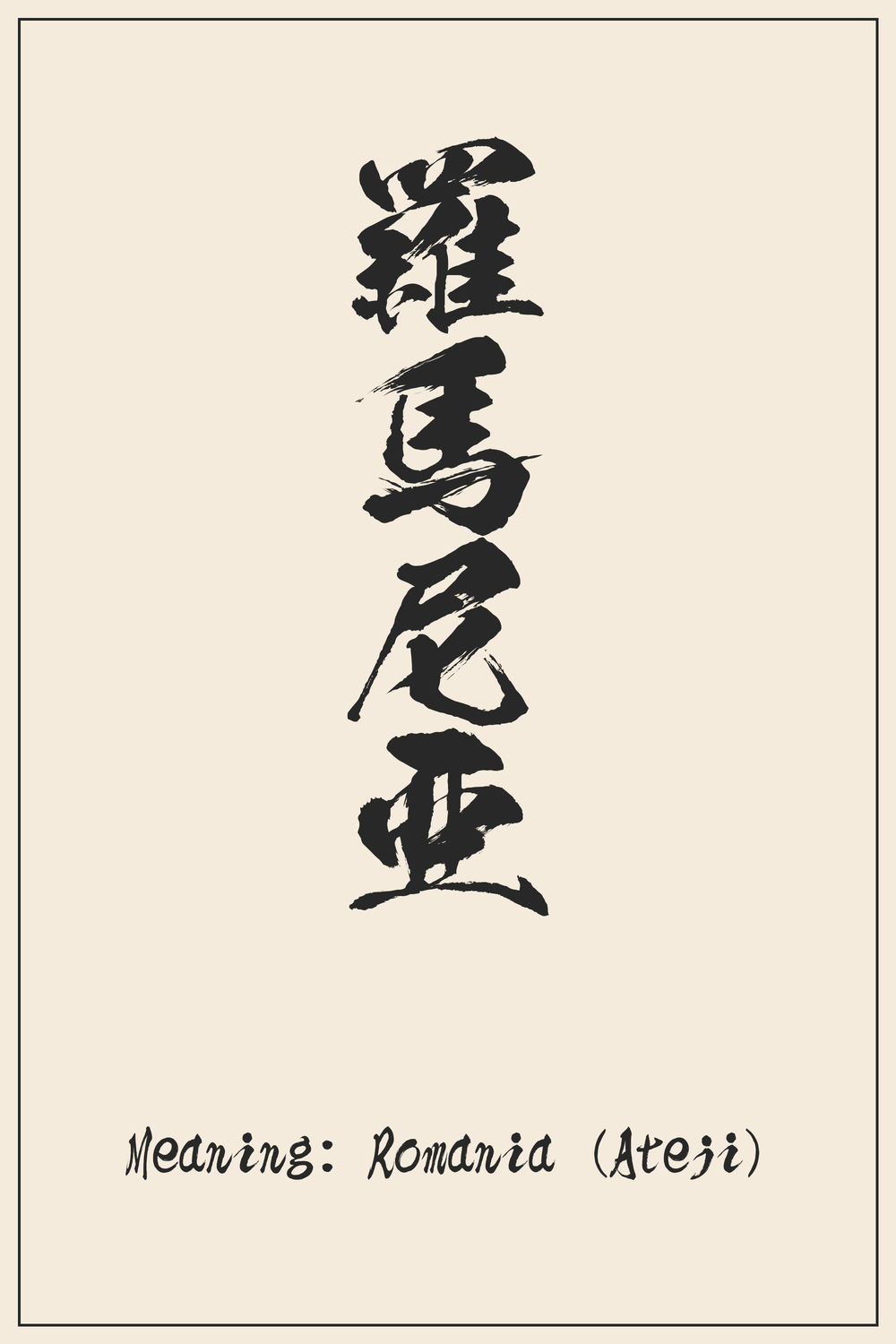
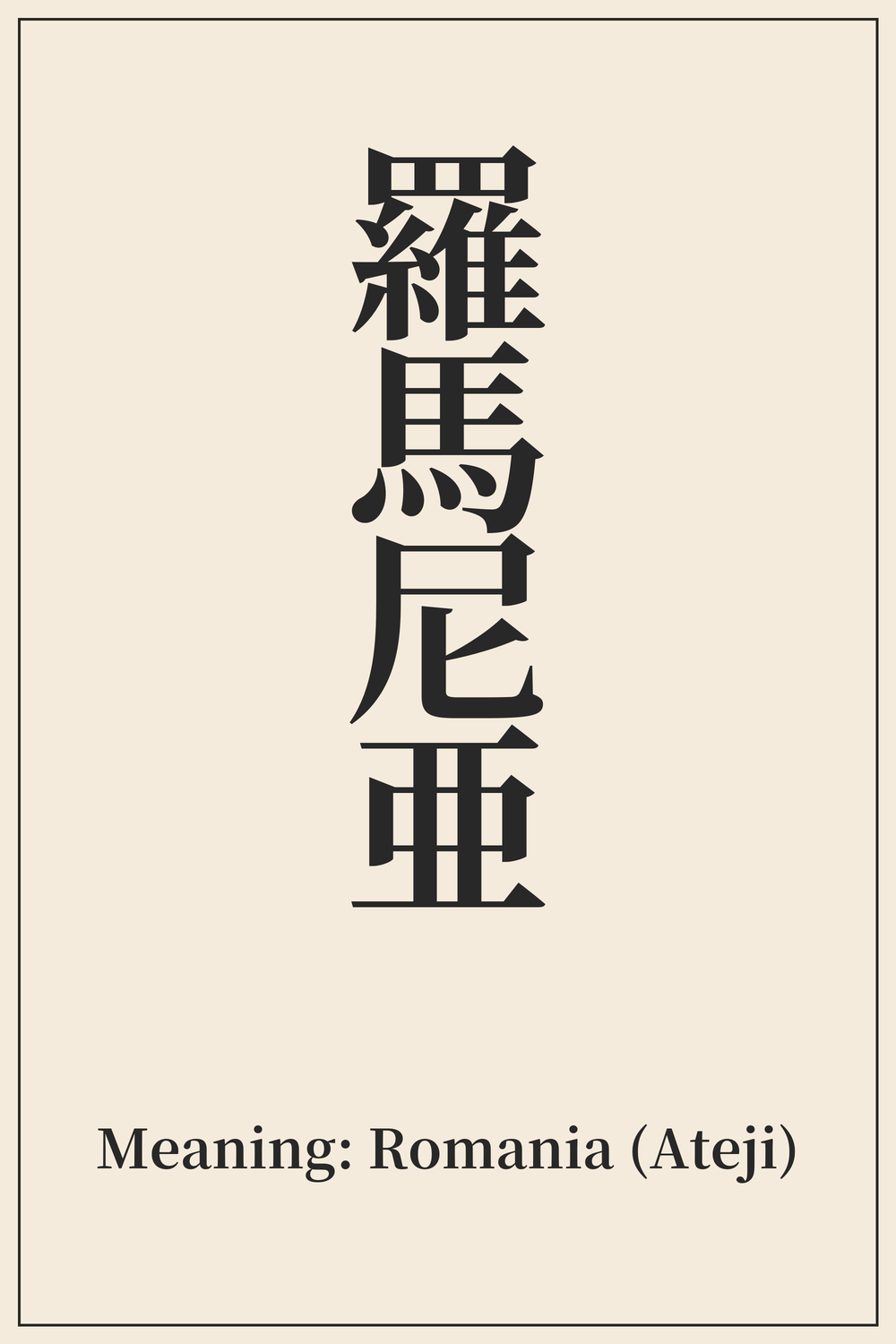
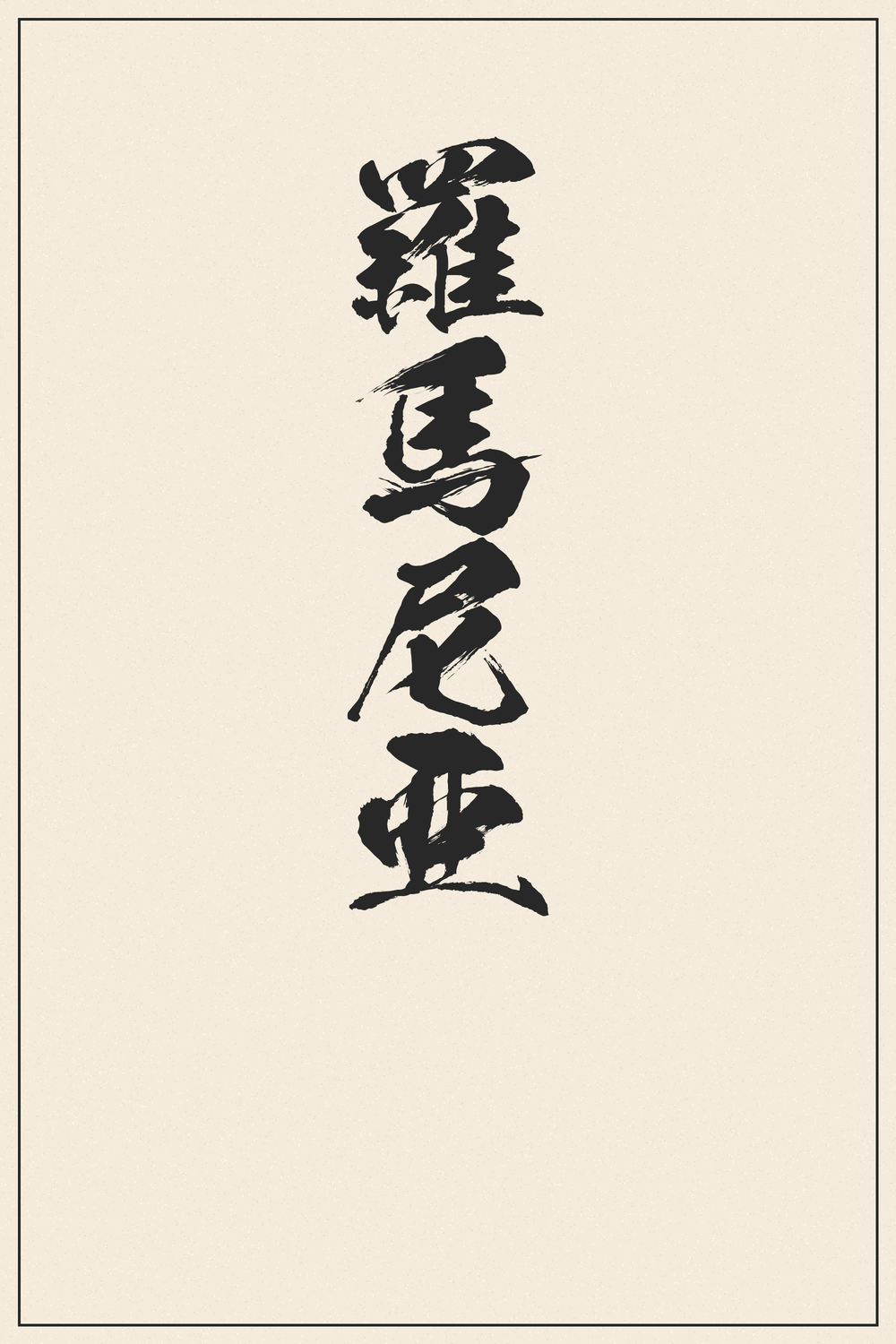
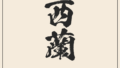
Discover the unique Kanji representation of Romania, a fascinating example of how Japanese adapts foreign names. This term serves as a phonetic bridge, linking the familiar sound of a European nation to the intricate script of Japan.
The atmosphere of a Kanji character changes dramatically depending on the font style. A character that looks elegant in a brush style might look bold and modern in a different font.
Recommendation: Since a tattoo is permanent, we strongly recommend comparing various font styles beyond what is shown here. Use our designs as a trusted reference for the correct structure, but feel free to explore different artistic variations to find the perfect match for your vision.
The Deep Meaning Behind 羅馬尼亜
The Kanji combination 羅馬尼亜 (Romania) is a classic example of *ateji* (当て字), where characters are chosen purely for their phonetic values rather than their intrinsic meanings. This method is commonly employed in Japanese to represent foreign names, places, and loanwords.
In this context, the characters 羅 (ra), 馬 (ma), 尼 (ni), and 亜 (a) collectively replicate the sounds of ‘Ro-ma-ni-a’. The specific choice of these characters does not imply any deeper symbolic connection to the country of Romania itself; their primary function is to facilitate pronunciation for Japanese speakers.
Kanji Breakdown
To understand 羅馬尼亜, we examine each character’s objective meaning, noting that these meanings are secondary to their phonetic roles in this specific compound.
Meaning: Net, gauze, thin silk. Here, 羅 is used for its ‘ra’ sound.
Meaning: Horse. In this context, 馬 is selected for its ‘ma’ sound.
Meaning: Nun, Buddhist priestess. 尼 is utilized for its ‘ni’ sound.
Meaning: Asia, come after, rank next. Here, 亜 provides the ‘a’ sound.
Conclusion
The Kanji 羅馬尼亜 stands as a prime illustration of *ateji*, representing Romania purely through sound. While the individual characters carry distinct meanings like ‘net’, ‘horse’, ‘nun’, and ‘Asia’, these literal definitions do not contribute to the meaning of the country name itself. It’s a phonetic construct, showcasing Japan’s ingenious method of incorporating foreign vocabulary.
For those considering this Kanji for a tattoo, it serves as a direct phonetic representation of ‘Romania’. It is important to appreciate its function as a cultural adaptation rather than seeking symbolic depth from the individual character meanings. The choice to ink 羅馬尼亜 celebrates the unique linguistic bridge between Japanese and the global stage.
Comments