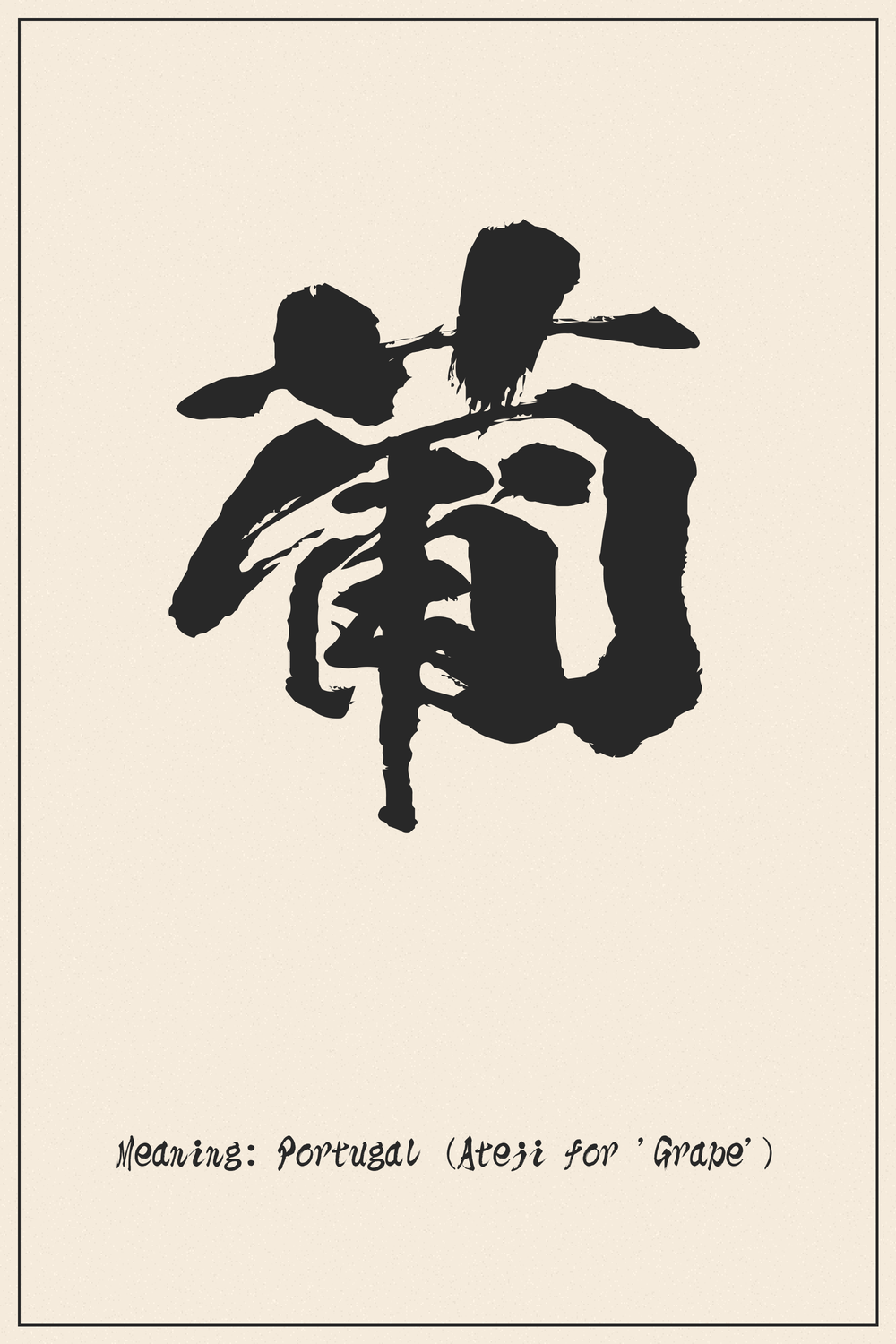
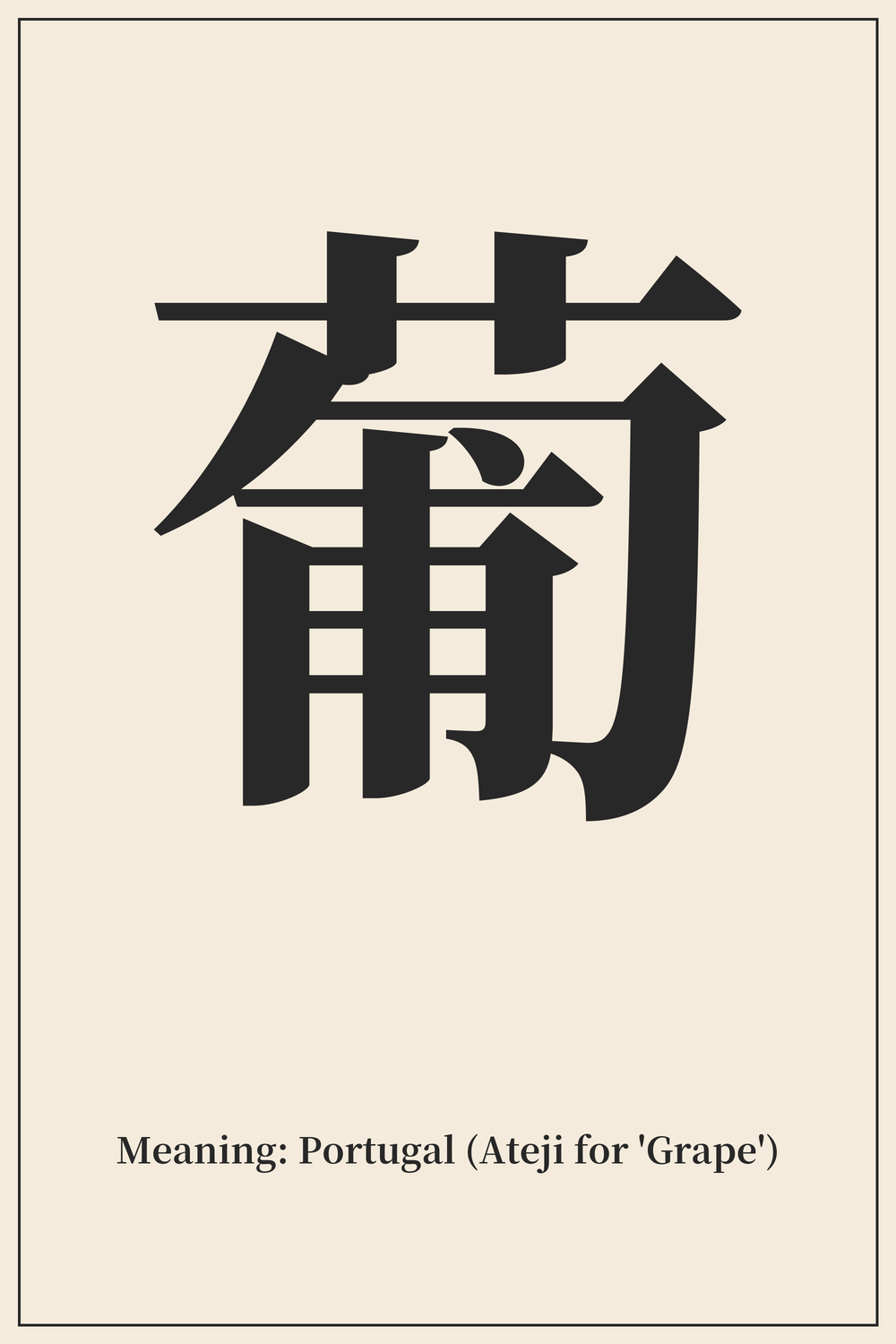
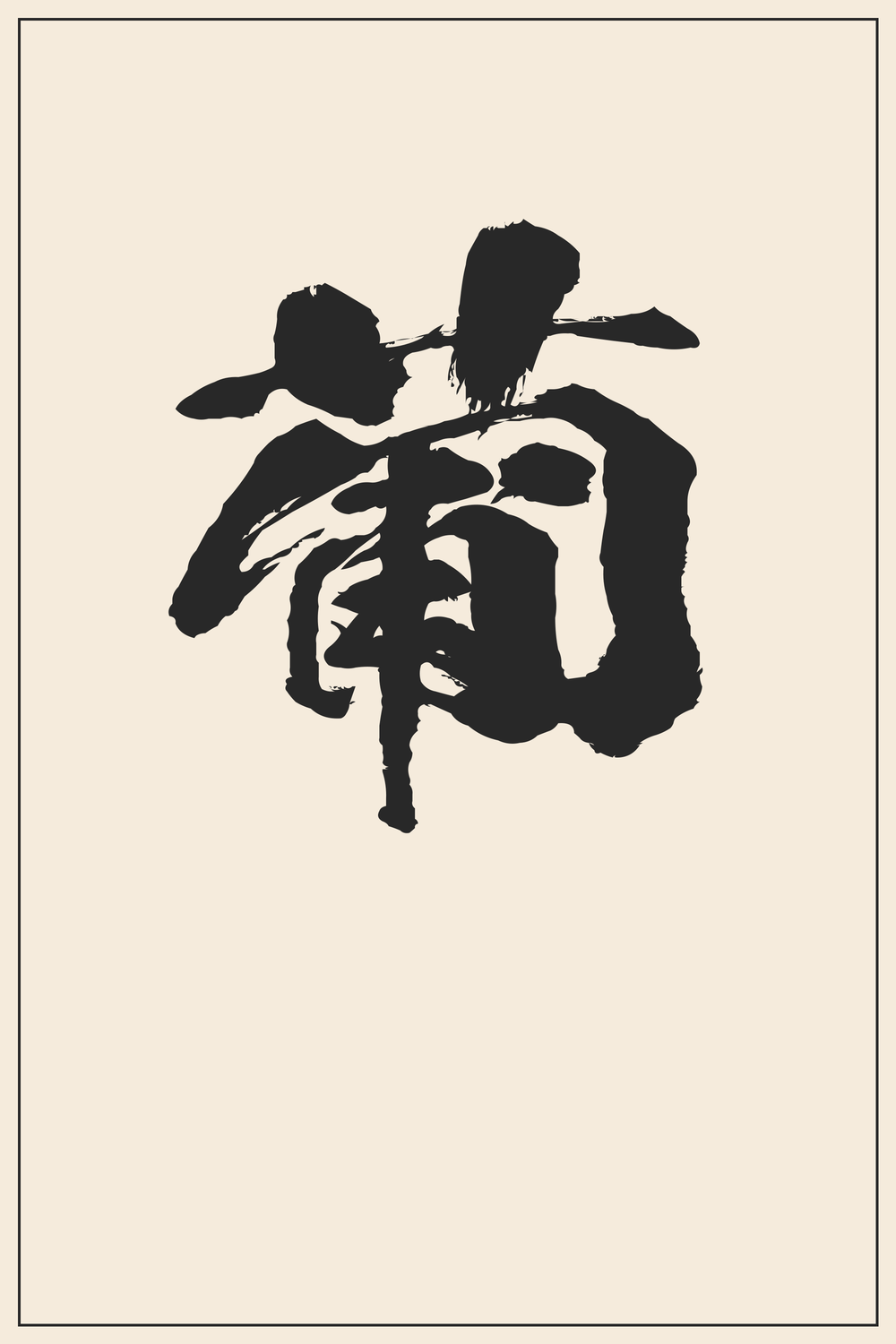
The Kanji 葡 is a fascinating example of how Japanese adapts foreign concepts through phonetic representation. While it might seem obscure on its own, it plays a key role in representing a significant European nation.
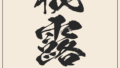
The atmosphere of a Kanji character changes dramatically depending on the font style. A character that looks elegant in a brush style might look bold and modern in a different font.
Recommendation: Since a tattoo is permanent, we strongly recommend comparing various font styles beyond what is shown here. Use our designs as a trusted reference for the correct structure, but feel free to explore different artistic variations to find the perfect match for your vision.
The Deep Meaning Behind 葡
The kanji 葡 (bu, ho) primarily means ‘grape’ or ‘vine’. Its use for ‘Portugal’ (ポルトガル, Porutogaru) is an example of *ateji*, where kanji are used purely for their phonetic values rather than their literal meanings. Historically, this character was chosen to phonetically represent the ‘po’ or ‘poru’ sound in ‘Portugal’.
This reflects a tradition of transliterating foreign words using existing kanji, often resulting in combinations that are semantically unrelated to the original word’s meaning. As an ateji for ‘Portugal,’ 葡 is rarely used independently to mean the country; it almost always appears within the compound ポルトガル. This usage showcases the adaptability of the Japanese writing system and its historical encounters with foreign cultures and languages.
Kanji Breakdown
The character 葡 is composed of two main parts, each contributing to its form and phonetic value.
Meaning: This is the ‘grass’ radical (kusa), indicating a connection to plants or flora.
Meaning: This component acts primarily as a phonetic element, contributing the ‘ho’ or ‘bu’ sound to the character. It can also mean ‘begin’ or ‘just’.
Conclusion
The kanji 葡, primarily meaning ‘grape’ or ‘vine,’ holds a unique position in the Japanese language as the phonetic representation for ‘Portugal’ (ポルトガル). This is a clear case of *ateji*, where the character is used for its sound rather than its literal meaning to transliterate a foreign name. Understanding 葡 in this context reveals the intricate interplay between sound, meaning, and cultural exchange in Japanese.
For a tattoo, choosing 葡 to represent ‘Portugal’ would be a subtle and historically rich choice, appealing to those who appreciate the linguistic nuances of ateji. While its literal meaning of ‘grape’ adds an unexpected layer of relevance given Portugal’s viticulture, its primary strength as a tattoo lies in its clever phonetic adaptation. It’s a choice that speaks to cultural connection and linguistic depth and is ideal for those who value unique historical and linguistic connections.
Comments