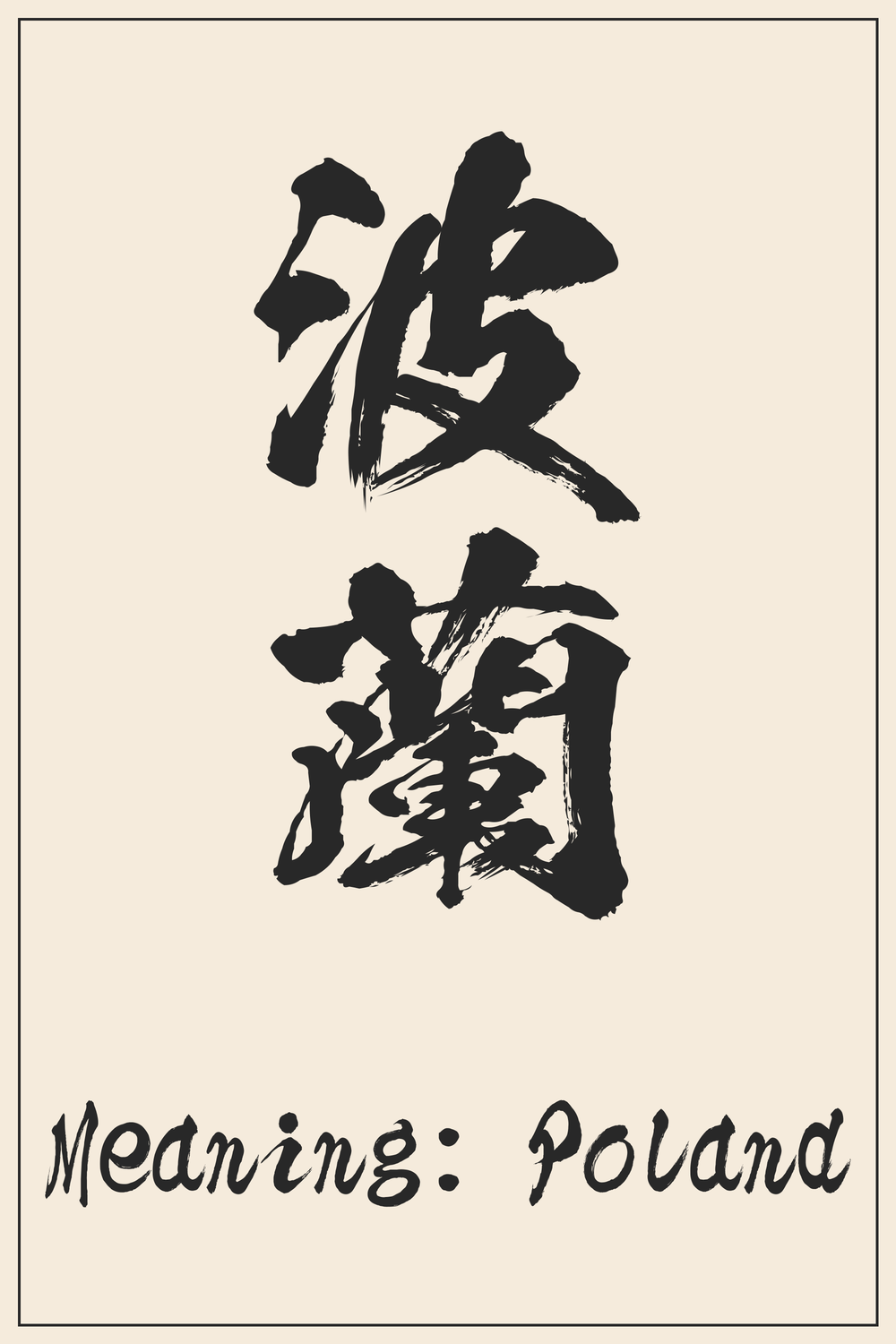
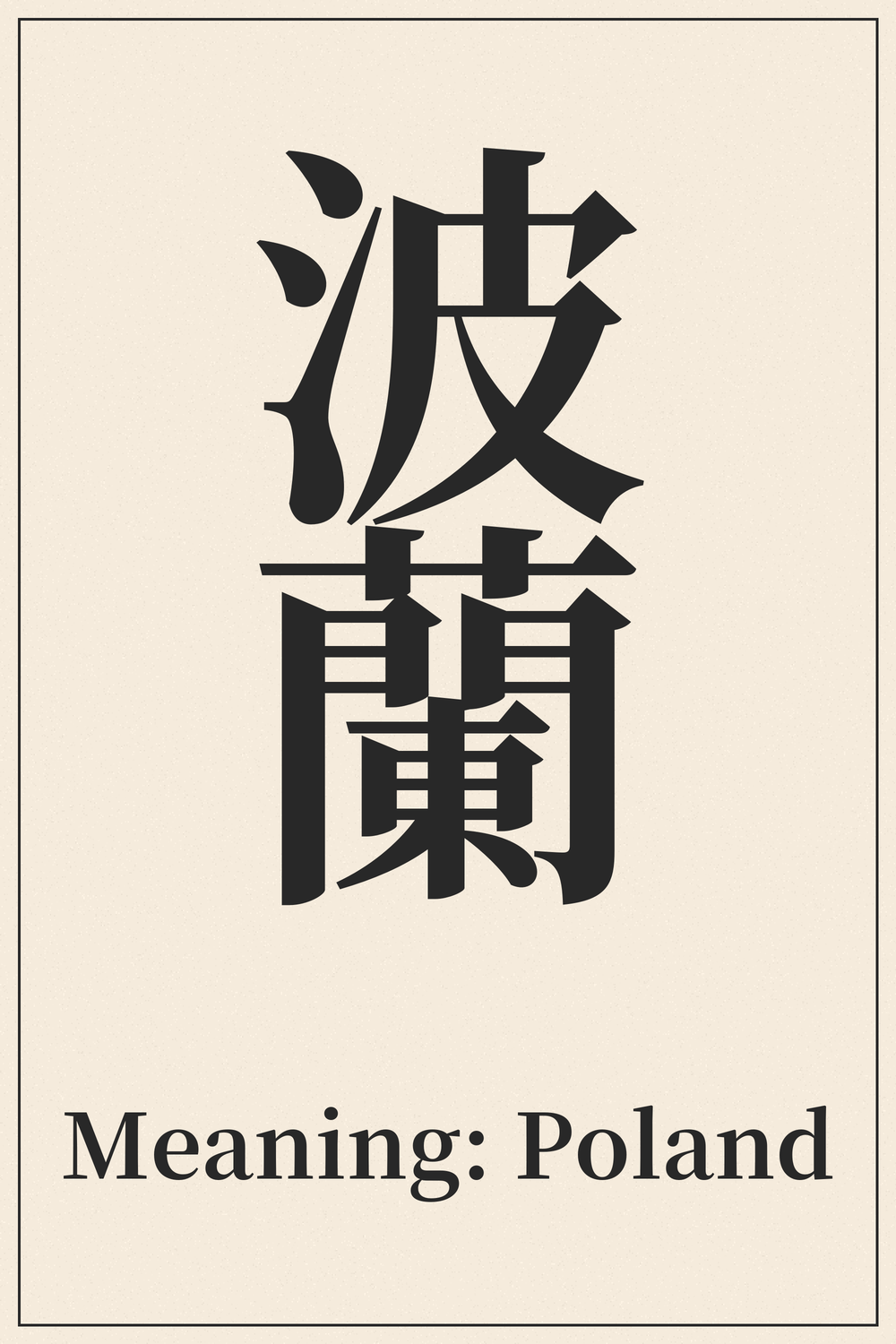
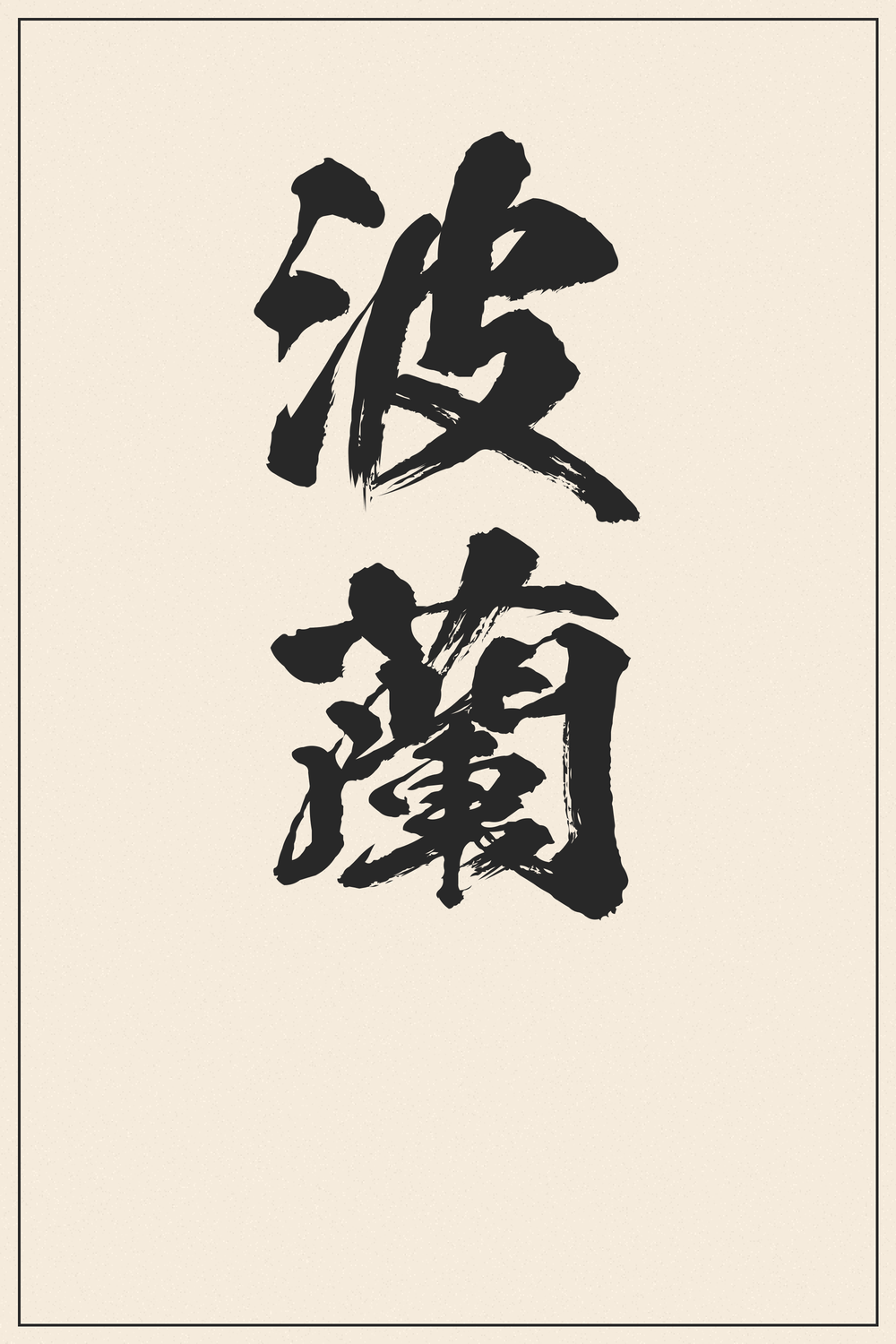
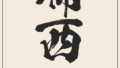
Discover the fascinating way Japanese culture adopts foreign names, like ‘Poland’ rendered through the elegant characters of 波蘭. This Kanji combination beautifully illustrates the phonetic ingenuity of ateji.
The atmosphere of a Kanji character changes dramatically depending on the font style. A character that looks elegant in a brush style might look bold and modern in a different font.
Recommendation: Since a tattoo is permanent, we strongly recommend comparing various font styles beyond what is shown here. Use our designs as a trusted reference for the correct structure, but feel free to explore different artistic variations to find the perfect match for your vision.
The Deep Meaning Behind 波蘭
The Kanji combination 波蘭 (Poran) is a prime example of ‘ateji’ (当て字), a Japanese method of using Kanji characters solely for their phonetic values, often to represent foreign words or names. In this case, 波蘭 phonetically approximates ‘Poland’, making it a direct transliteration rather than a representation of the country’s inherent qualities.
While the individual characters 波 (nami) meaning ‘wave’ and 蘭 (ran) meaning ‘orchid’ carry their own distinct beautiful imagery, their pairing in 波蘭 holds no semantic connection to the nation of Poland. Instead, it serves as a straightforward linguistic bridge, allowing the Japanese language to incorporate the name of this European country into its writing system through sound.
Kanji Breakdown
Let’s explore the individual Kanji that form ‘Poran’, understanding their separate meanings and components.
Meaning: Wave. This character features the 氵 (sanzui) radical, meaning ‘water’, which clearly connects it to its aquatic meaning. The right component, 皮 (kawa), meaning ‘skin’ or ‘fur’, serves as the phonetic element, dictating the character’s sound.
Meaning: Orchid. This Kanji includes the 艹 (kusakanmuri) radical, the ‘grass’ radical, indicating its botanical nature. The lower portion, 闌 (RAN), historically referred to a ‘barrier’ or ‘gate’ and contributes to the phonetic reading of 蘭.
Conclusion
In summary, 波蘭 (Poran) is a captivating example of ateji, representing the country of Poland through its sound rather than its literal meaning. It highlights the flexibility and adaptive nature of the Japanese writing system in integrating foreign concepts.
For those considering this Kanji for a tattoo, its primary significance lies in its phonetic representation of Poland. While the individual characters evoke beautiful imagery of ‘waves’ and ‘orchids,’ the combination’s power is in its cultural function as a country name. Its charm comes from this unique linguistic adaptation rather than a deep, symbolic meaning related to Poland itself.
Comments