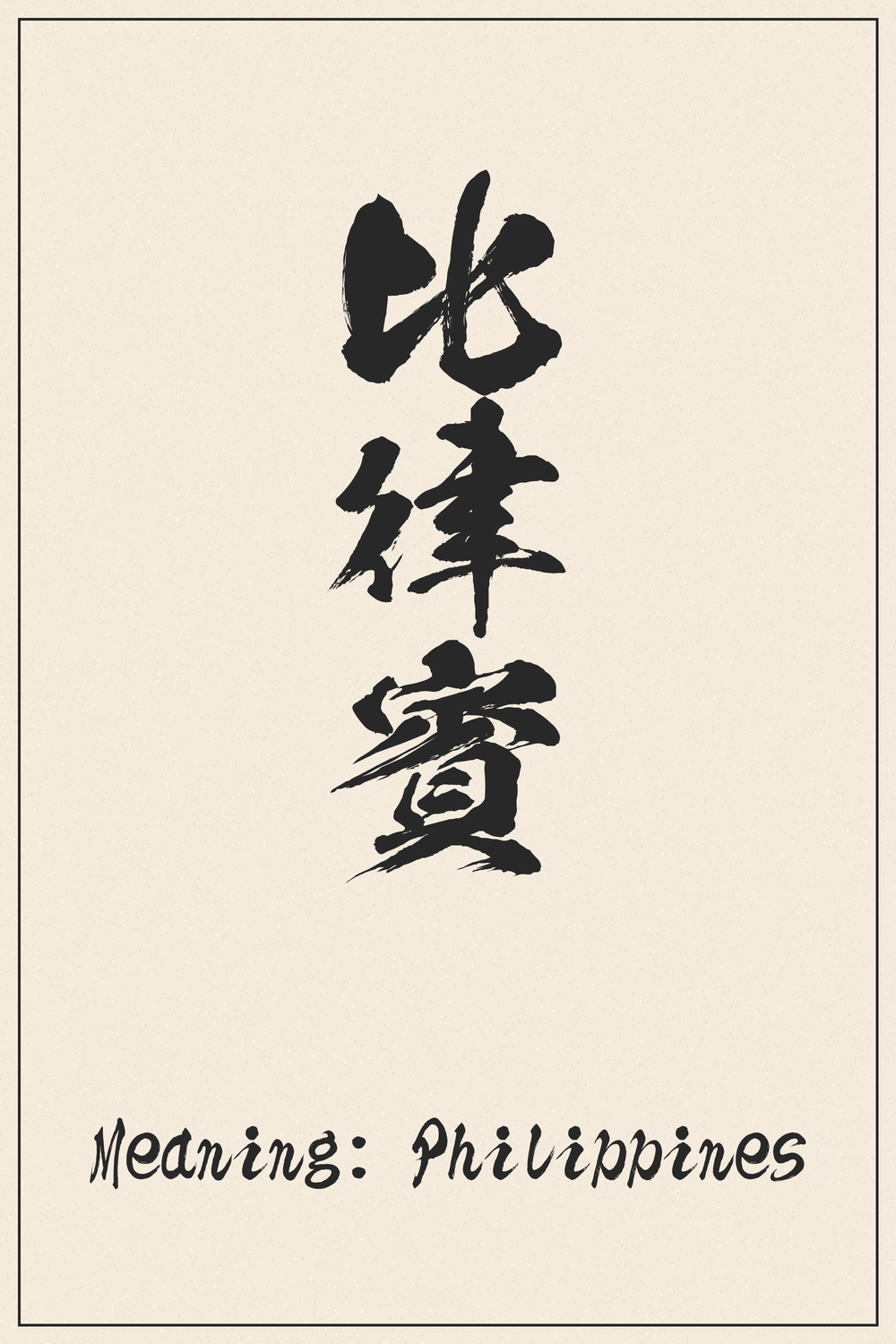
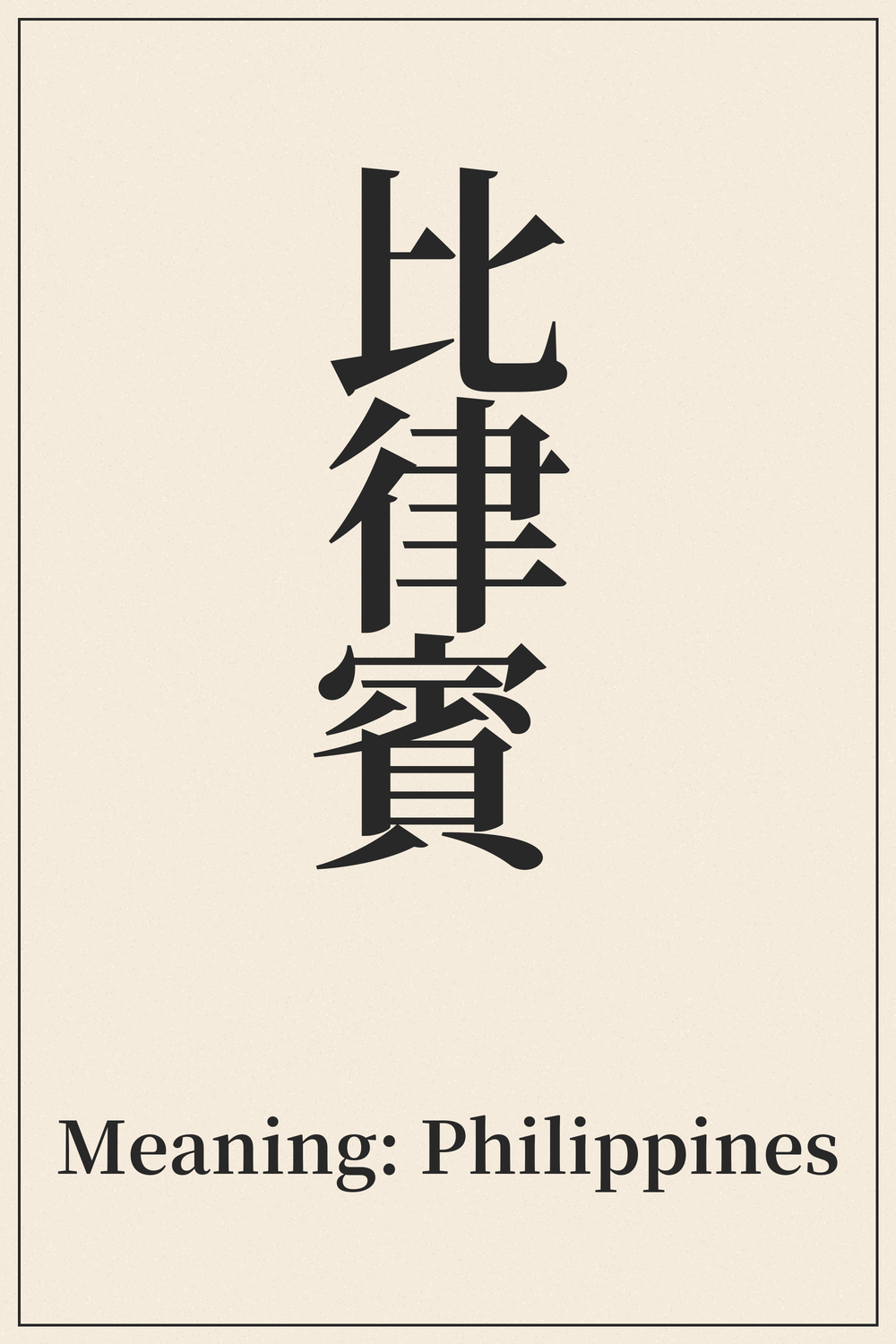
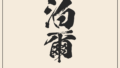
Dive into the unique world of Japanese Kanji for foreign names. Discover ‘比律賓’, the phonetic representation of a vibrant nation, revealing how ancient characters adapt to modern global connections.
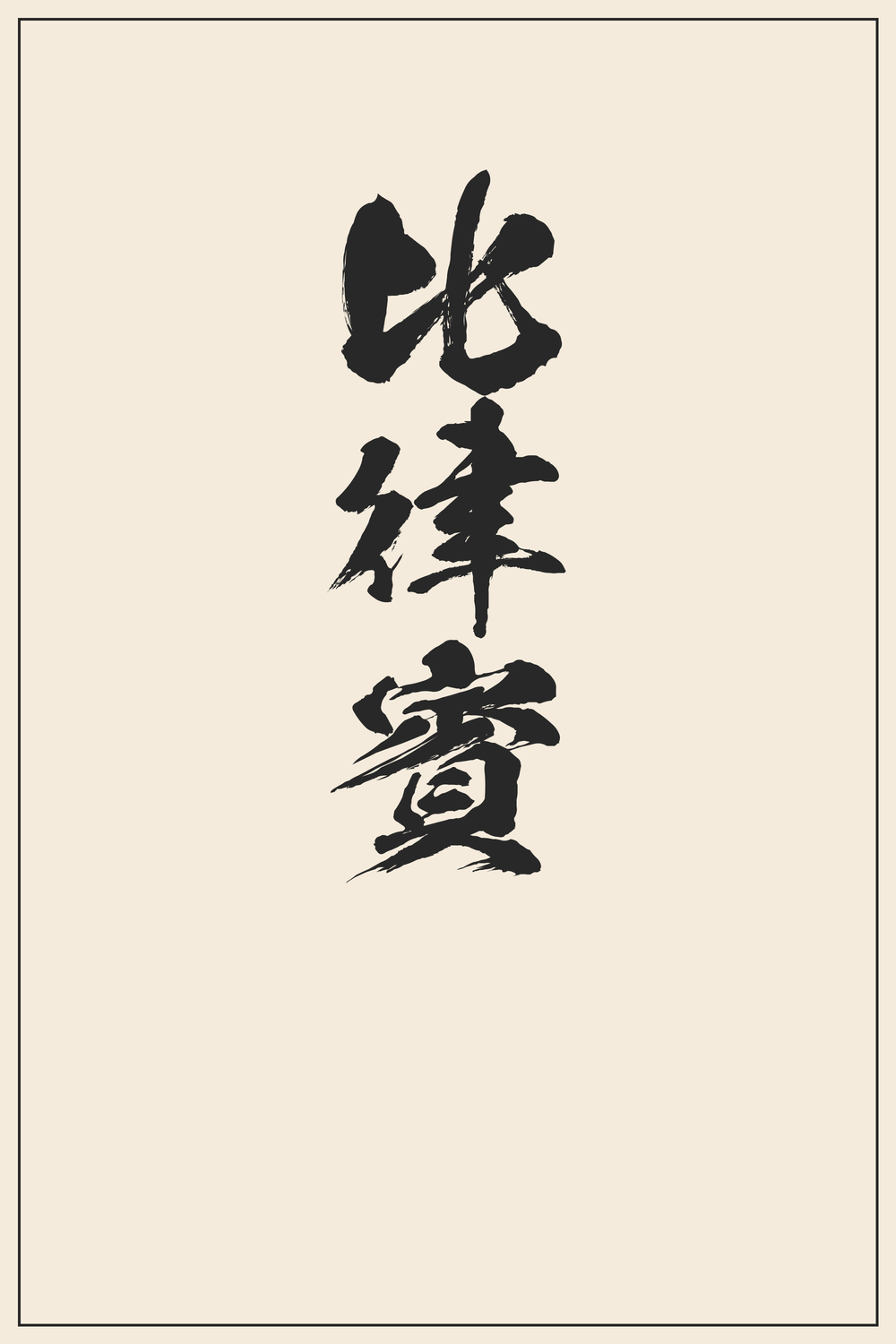
The atmosphere of a Kanji character changes dramatically depending on the font style. A character that looks elegant in a brush style might look bold and modern in a different font.
Recommendation: Since a tattoo is permanent, we strongly recommend comparing various font styles beyond what is shown here. Use our designs as a trusted reference for the correct structure, but feel free to explore different artistic variations to find the perfect match for your vision.
The Deep Meaning Behind 比律賓
The Kanji compound ‘比律賓’ (Firipin) is a classic example of Ateji, a phonetic transcription method where Kanji characters are used purely for their sound, rather than their inherent meaning, to represent foreign words. In this case, it phonetically renders ‘Philippines’.
Historically, Ateji was crucial for integrating foreign concepts into the Japanese language before the widespread adoption of Katakana for such purposes. While each character possesses its own objective meaning—’比’ (hi) meaning ‘compare’ or ‘ratio’, ‘律’ (ritsu) meaning ‘rhythm’ or ‘law’, and ‘賓’ (hin) meaning ‘guest’—these literal meanings are largely incidental in ‘比律賓’, serving primarily to approximate the sounds of ‘Fi-li-pin’ rather than convey a symbolic message.
Kanji Breakdown
The compound ‘比律賓’ is formed by three individual Kanji characters, each contributing its phonetic value to represent the country name. Let’s examine their individual meanings:
Meaning: Compare, ratio. This character originally depicted two people (or similar forms) standing side by side, symbolizing comparison or competition.
Meaning: Rhythm, law, regulate. This Kanji is composed of the radical 彳 (gyōninben, ‘go, street’) and 聿 (fude, ‘writing brush’), suggesting a set standard or rule, often related to order, music, or regulations.
Meaning: Guest, visitor. Formed by 宀 (ukanmuri, ‘roof, house’), 貝 (kai, ‘shell, money’—here often phonetic), and 人 (hito, ‘person’), denoting a valued individual welcomed into a home.
Conclusion
As an Ateji, ‘比律賓’ provides a fascinating glimpse into the historical linguistic adaptations of Japanese. It stands not for a complex philosophical concept, but as a phonetic bridge connecting the Japanese language to the global identity of the Philippines, representing a cultural practice of phonetic transcription.
While this Kanji compound does not carry deep symbolic meaning in its literal sense, its unique history as a phonetic transcription might appeal to those interested in linguistic evolution or a personal connection to the Philippines. For a tattoo, appreciate the cultural practice of Ateji it represents, rather than seeking profound intrinsic meaning from the individual characters, as their meanings are secondary to their sounds in this context.
Comments