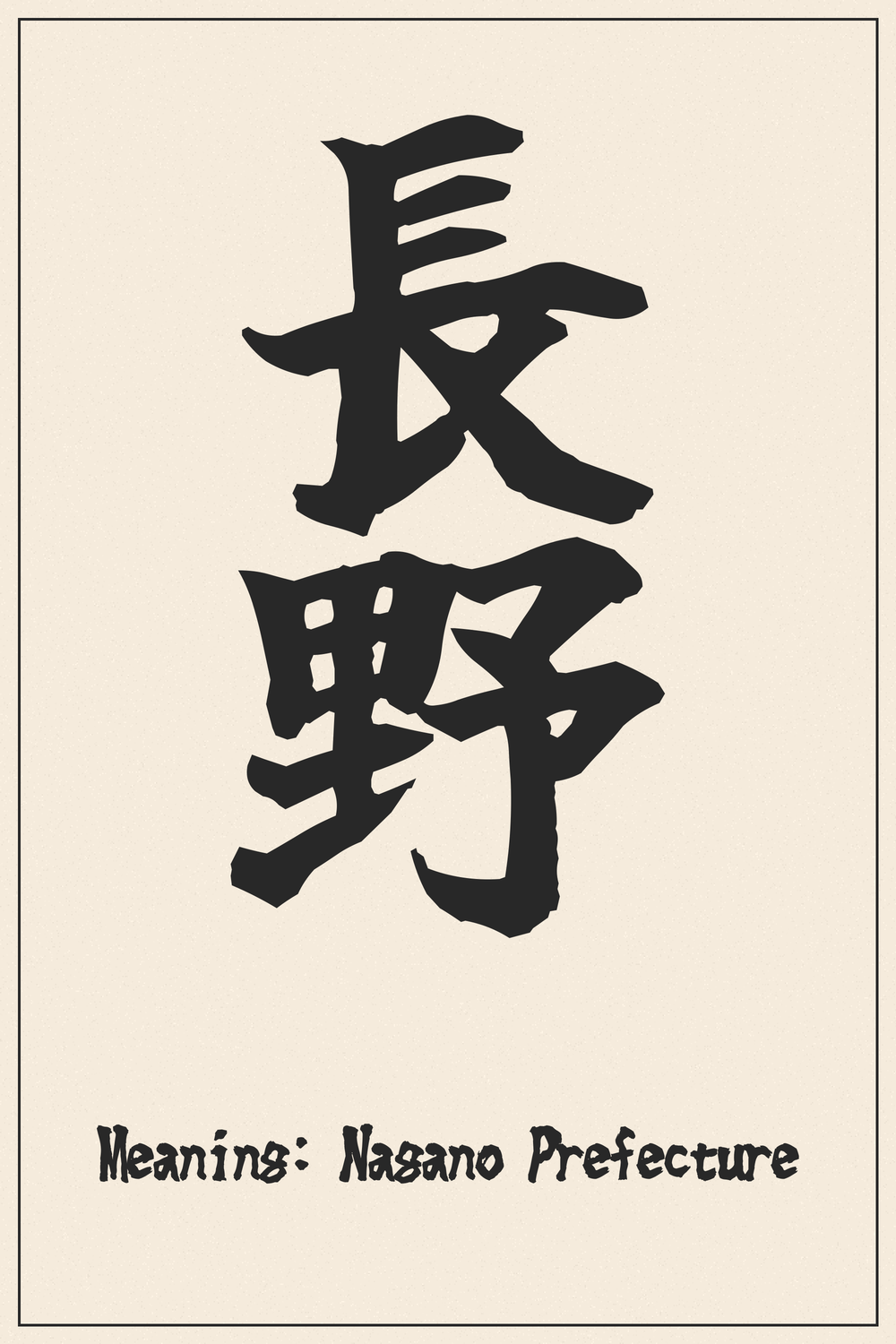
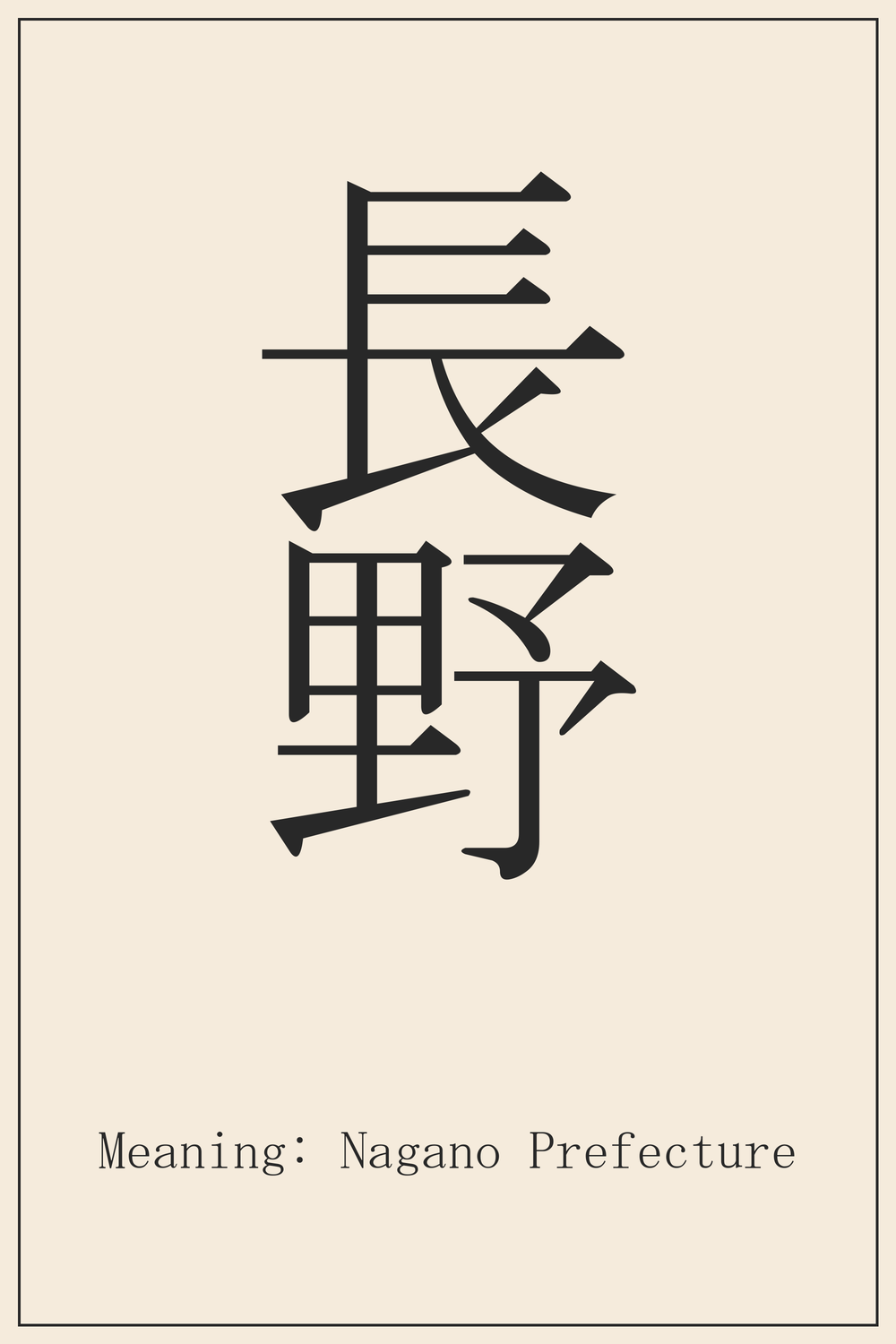
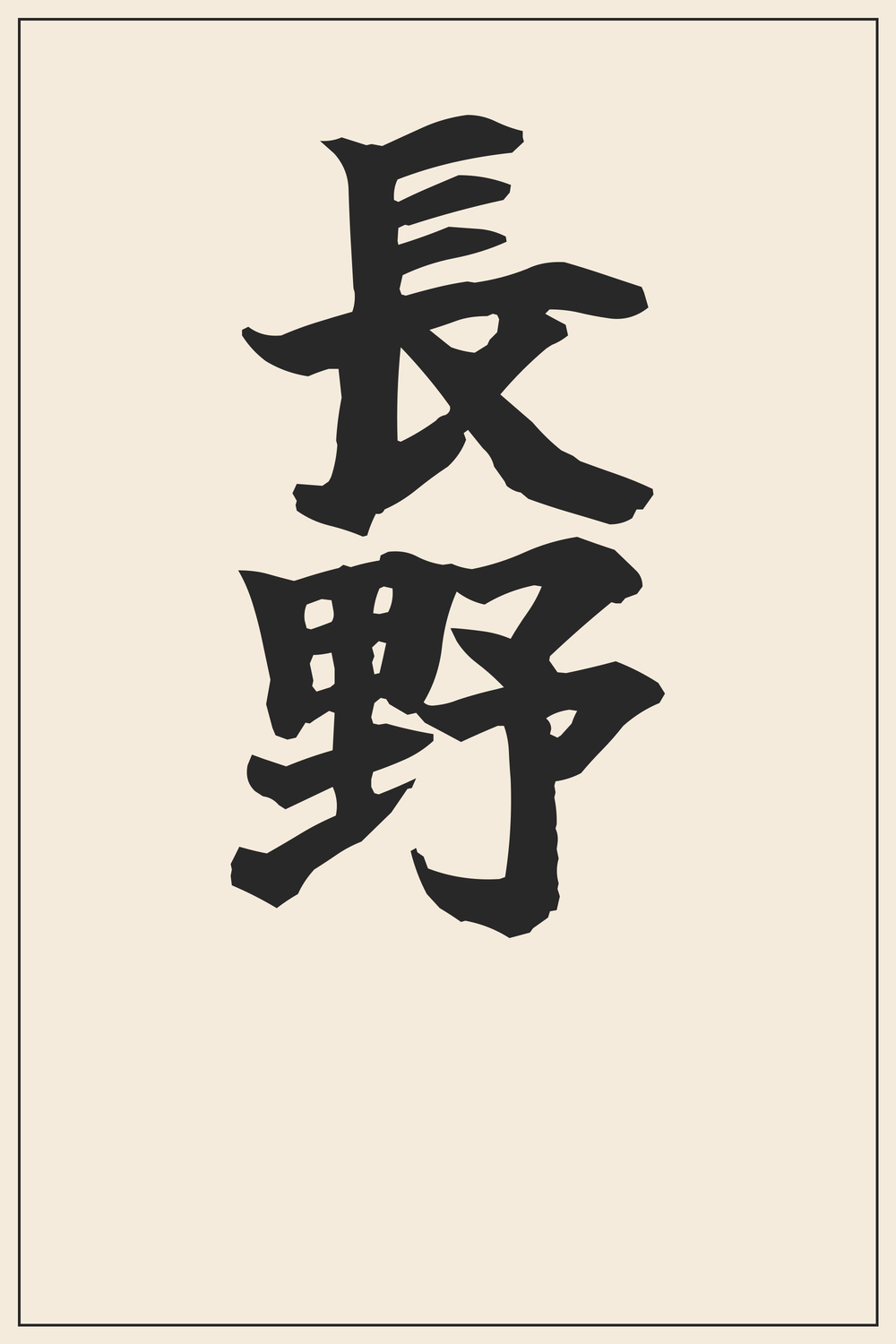
The Kanji for Nagano embodies the serene beauty and enduring spirit of one of Japan’s most celebrated mountainous regions. It represents a deep connection to nature, history, and a rich cultural landscape.
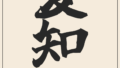
The atmosphere of a Kanji character changes dramatically depending on the font style. A character that looks elegant in a brush style might look bold and modern in a different font.
Recommendation:
Since a tattoo is permanent, we strongly recommend comparing various font styles beyond what is shown here. Use our designs as a trusted reference for the correct structure, but feel free to explore different artistic variations to find the perfect match for your vision.
The Deep Meaning Behind 長野
The name ‘Nagano’ (長野) literally translates to ‘long field’ or ‘long plain.’ This straightforward geographical description reflects the region’s expansive valleys and plateaus nestled within its mountainous terrain. The Kanji combination succinctly captures the physical characteristics that define this iconic Japanese prefecture.
Culturally, Nagano is renowned for its stunning natural landscapes, including the Japanese Alps, making it a popular destination for skiing and hiking. It gained international fame as the host city for the 1998 Winter Olympics. The prefecture is also rich in history, home to ancient temples like Zenkoji and traditional onsen towns, embodying a blend of natural grandeur and deep-rooted heritage.
Kanji Breakdown
The compound Kanji ‘長野’ consists of two characters, each contributing to its geographical and cultural significance.
Meaning: Long, chief, elder. Its ancient form depicted an old man with long hair, signifying ‘long’ in terms of duration or length, and by extension, a person of age or authority.
Meaning: Field, plain, wild. This character is often seen in geographical names and refers to an open, uncultivated area of land. It depicts an arrangement of trees and a path over a field.
Conclusion
Choosing the Kanji ‘長野’ for a tattoo is a distinctive way to honor a beautiful and historically significant region of Japan. It symbolizes an appreciation for majestic mountains, serene fields, and a connection to nature’s enduring power, as well as the spirit of the Winter Olympics and deep cultural roots.
For those with a personal connection to Nagano or a profound admiration for its unique blend of natural splendor and cultural richness, this Kanji serves as a refined and meaningful emblem. Its clear, balanced strokes ensure a visually appealing tattoo, ideal for expressing regional pride and a timeless love for Japan.
Comments