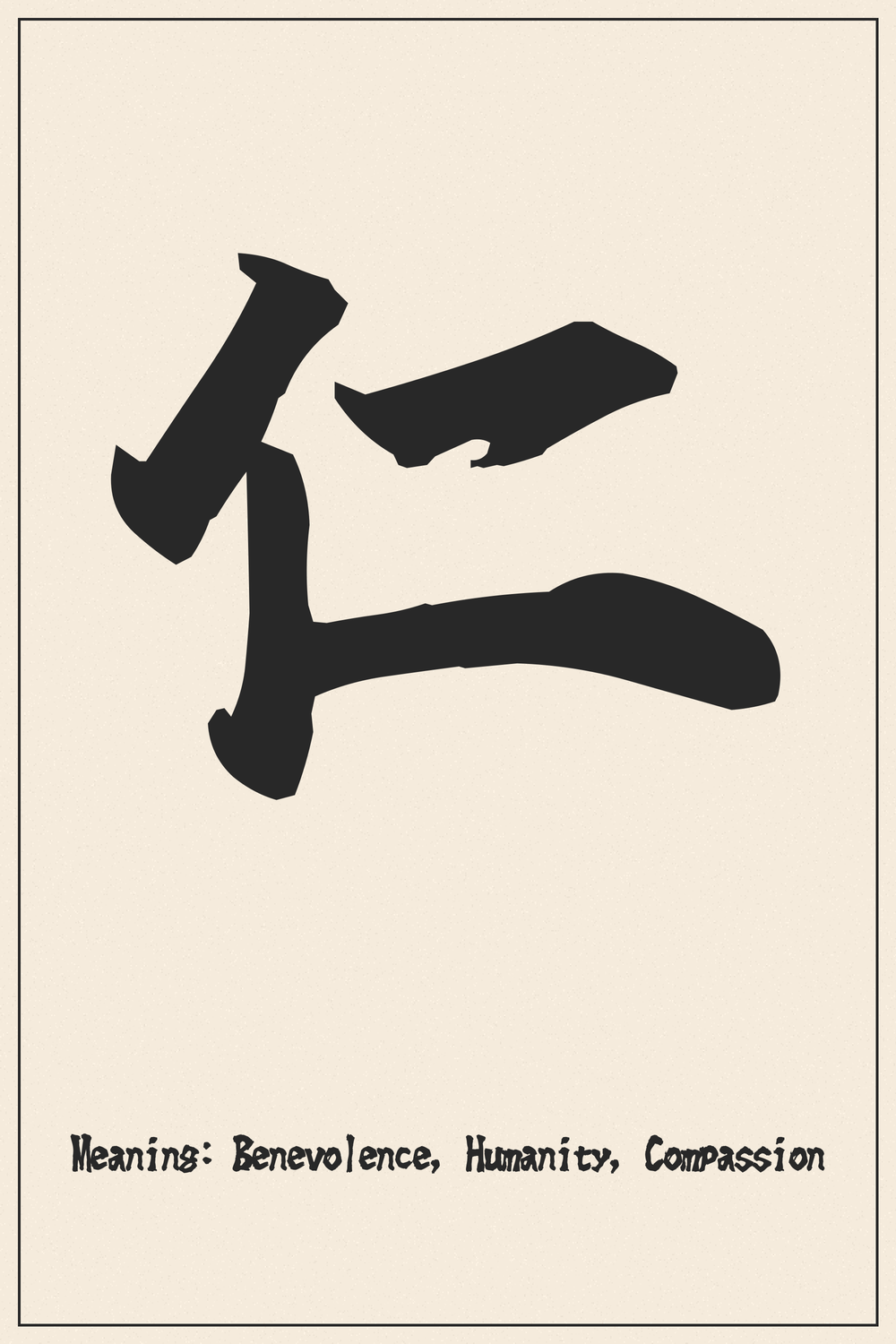
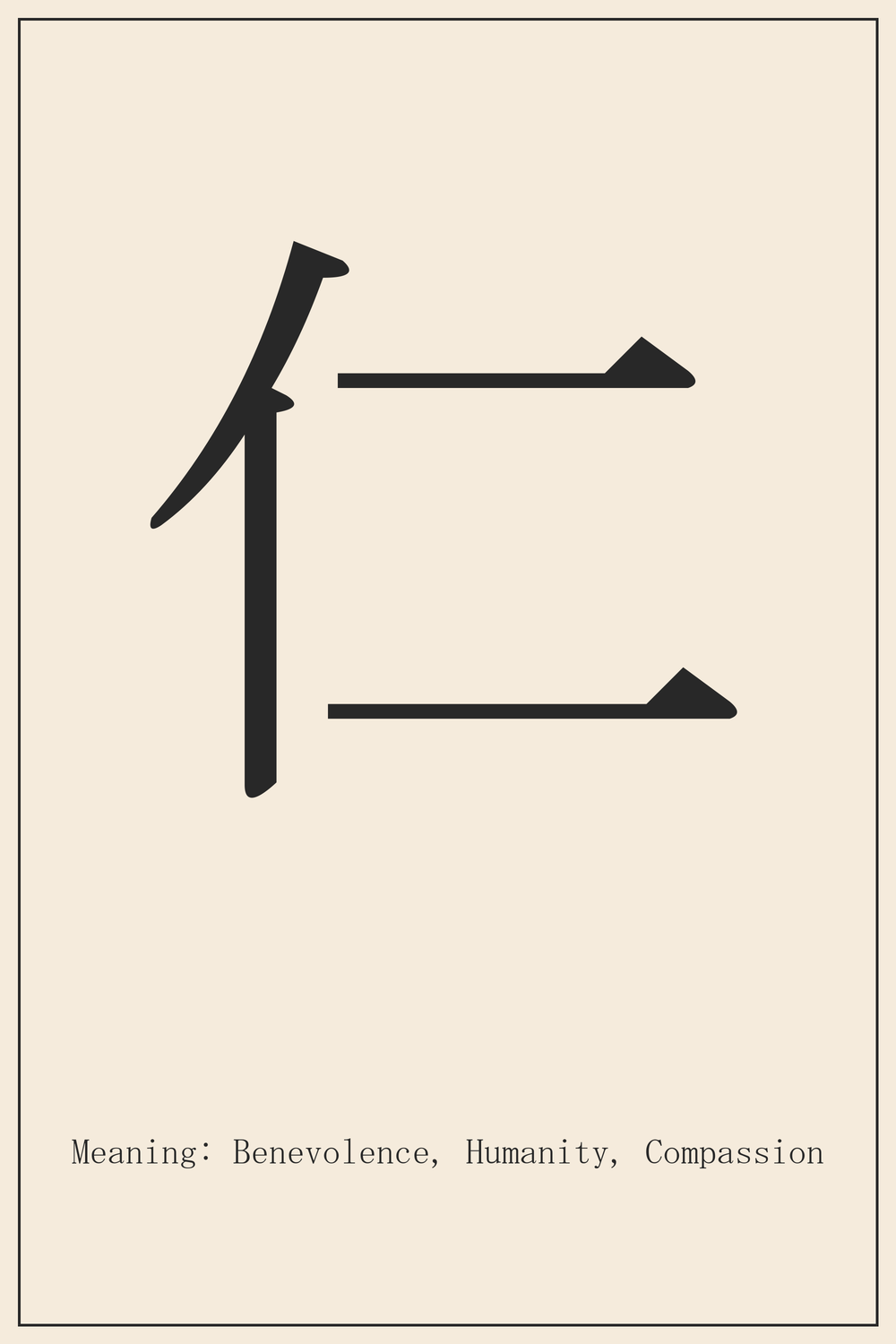
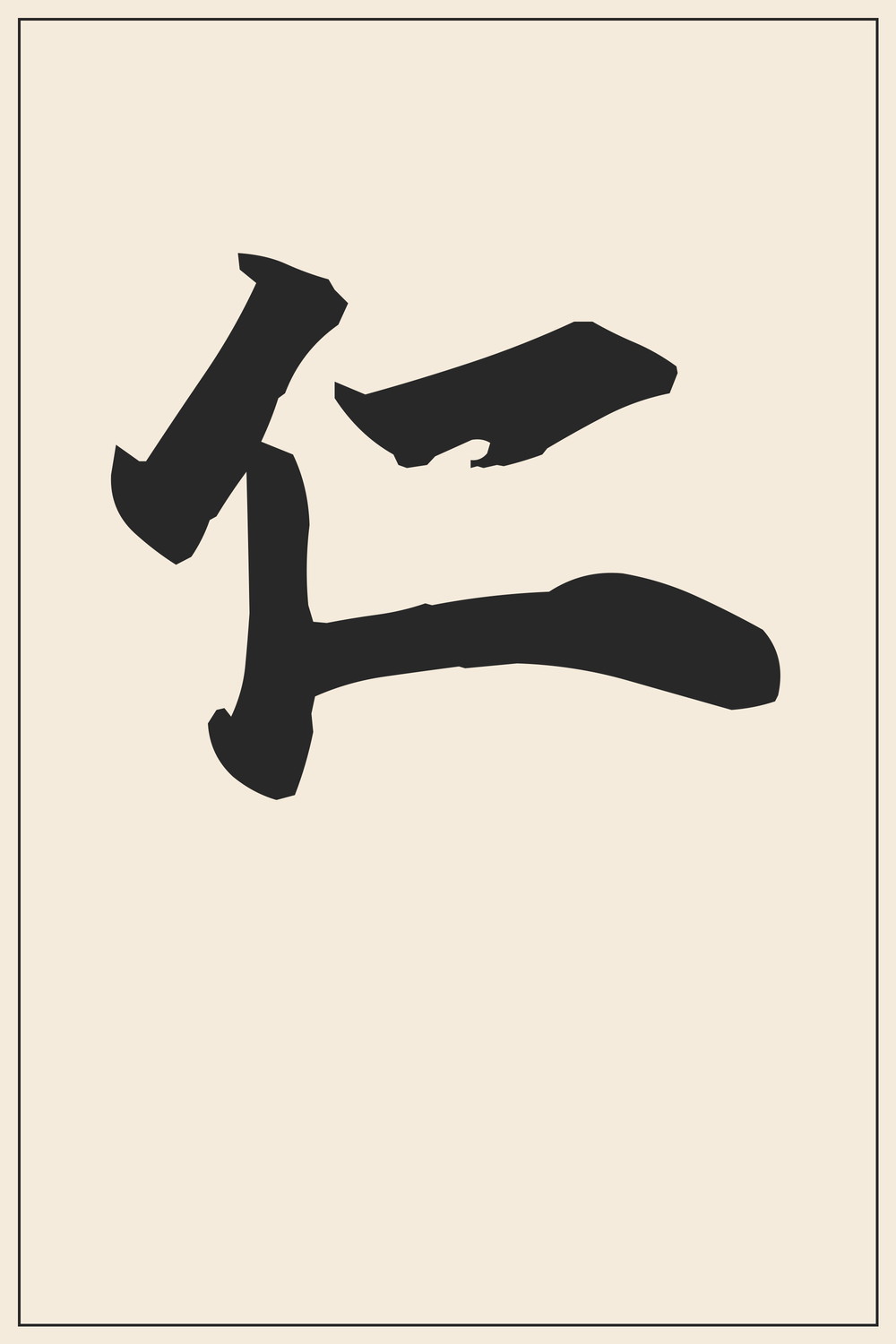
The Kanji 仁 embodies one of humanity’s most profound ideals: benevolence. This character is not merely a word but a philosophical cornerstone, reflecting the highest virtue in human conduct.
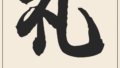
The atmosphere of a Kanji character changes dramatically depending on the font style. A character that looks elegant in a brush style might look bold and modern in a different font.
Recommendation:
Since a tattoo is permanent, we strongly recommend comparing various font styles beyond what is shown here. Use our designs as a trusted reference for the correct structure, but feel free to explore different artistic variations to find the perfect match for your vision.
The Deep Meaning Behind 仁
The character 仁 is a fascinating example of how ancient wisdom is encapsulated in written form. It is a composite character, subtly combining elements that convey its profound meaning. The left radical, 人 (hito), represents a person or human being, symbolizing the individual.
On the right, we find 二 (ni), meaning “two.” Together, these components eloquently suggest the ideal relationship between two people, or indeed, between humanity as a whole. This inherently points to the concept of benevolence and compassion, emphasizing the altruistic interaction and empathy that should exist between individuals. In Confucian philosophy, 仁 is the supreme virtue, the foundation of all ethical behavior.
Kanji Breakdown
The Kanji 仁 is comprised of two fundamental elements that together convey its deep meaning of benevolence and humanity.
Meaning: Person, Human
Explanation: This radical depicts a standing human figure, representing the individual or humanity in general. It grounds the meaning of 仁 in the human experience.
Meaning: Two
Explanation: This simple character represents the number two. In the context of 仁, it signifies interaction, relationship, or the connection between one person and another.
Conclusion
The Kanji 仁 is a powerful symbol representing the ultimate virtue of benevolence, humanity, and compassion. It speaks to the core of what it means to be truly human, fostering empathy and ethical conduct towards others.
Choosing 仁 for a tattoo is a declaration of these timeless values, a constant reminder to act with kindness and understanding. Its classical elegance and profound philosophical weight make it an eternally meaningful design.
Comments