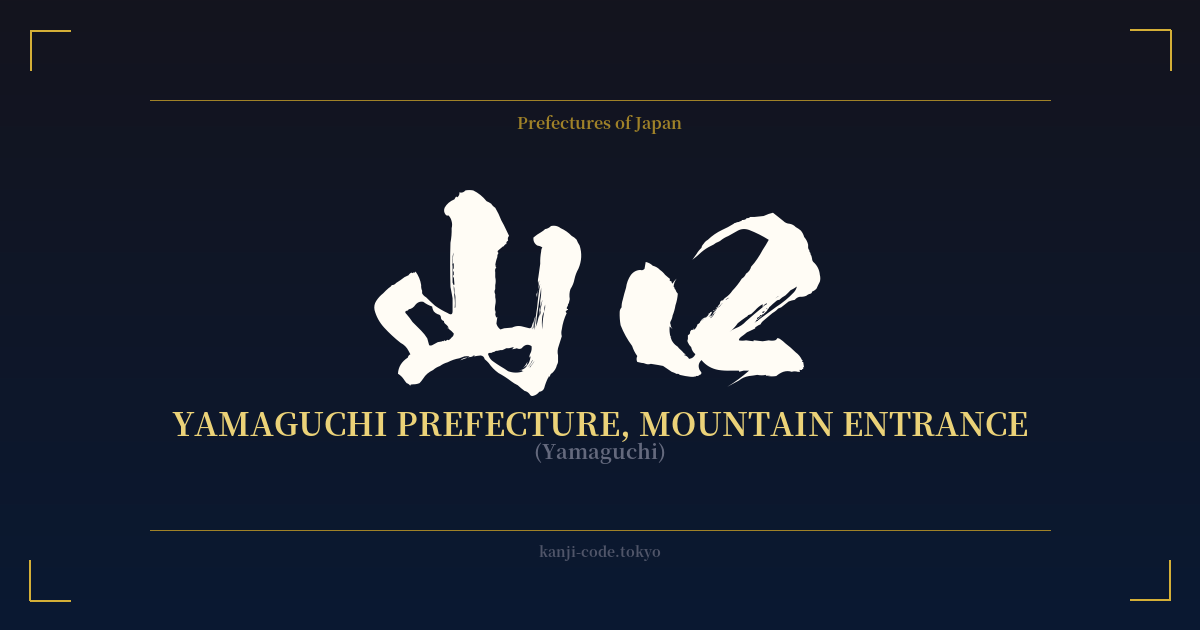
✍️ 山口 (Yamaguchi) — Cultural Context
The word 山口 (Yamaguchi) paints a simple yet profound picture directly from its characters: 'mountain entrance.' It describes a geographical location, specifically the opening or pass leading into a mountainous region. This literal meaning is the foundation for its widespread use as both a place name and one of Japan's most common surnames.
As a surname, Yamaguchi likely originated from families who lived near such a mountain pass. In a country as mountainous as Japan, this was a common and descriptive way to identify one's home. Today, it ranks among the top 20 most frequent family names in Japan, making it instantly recognizable to any Japanese speaker.
Beyond its use as a name, 山口 is most famously the name of Yamaguchi Prefecture, located at the westernmost tip of Japan's main island, Honshu. This region is steeped in some of the most pivotal history in the nation. During the late Edo period, it was known as the Chōshū Domain, a powerful feudal territory ruled by the Mōri clan.
The Chōshū Domain was a hotbed of anti-shogunate sentiment and became one of the primary forces, alongside the Satsuma Domain, that drove the Meiji Restoration in 1868. This movement toppled the centuries-old Tokugawa shogunate and restored imperial rule, catapulting Japan into the modern era. Figures from Chōshū, such as Itō Hirobumi, Japan's first Prime Minister, were instrumental in shaping the new government. Therefore, the name Yamaguchi carries the historical weight of revolution, modernization, and the birth of modern Japan.
Today, Yamaguchi Prefecture is known for its beautiful coastline, the iconic five-arched Kintai Bridge in Iwakuni, and the ancient Akiyoshidai karst plateau. While the kanji itself is simple, its connection to this historically significant region imbues it with a deep sense of place and a legacy of transformative change.
🖌️ Font Styles for 山口
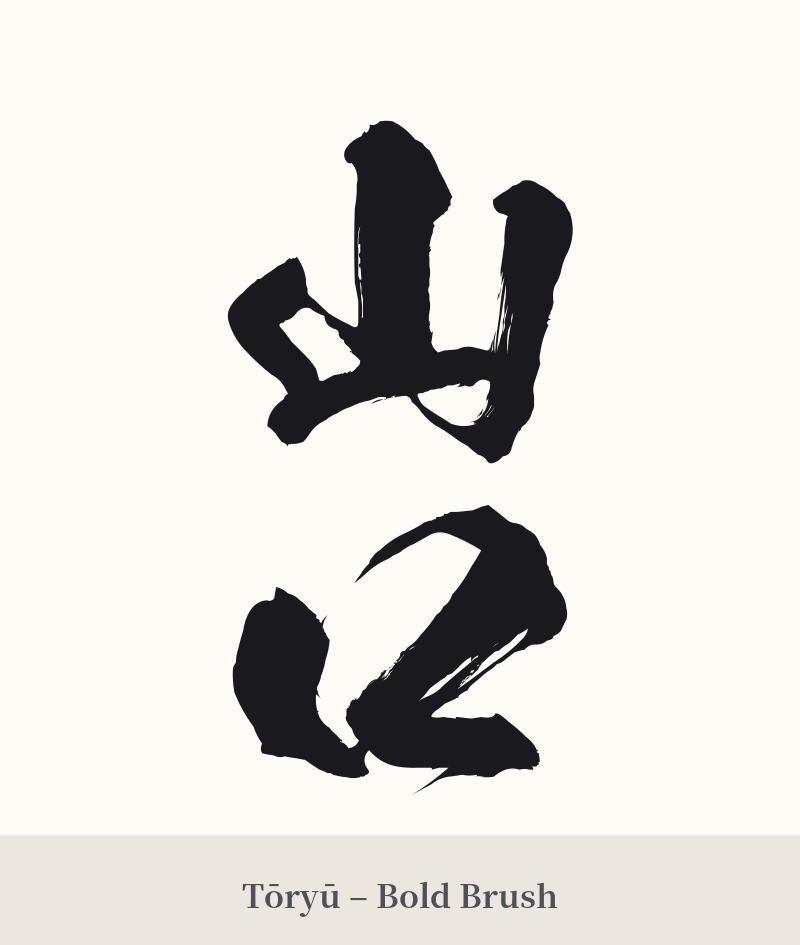
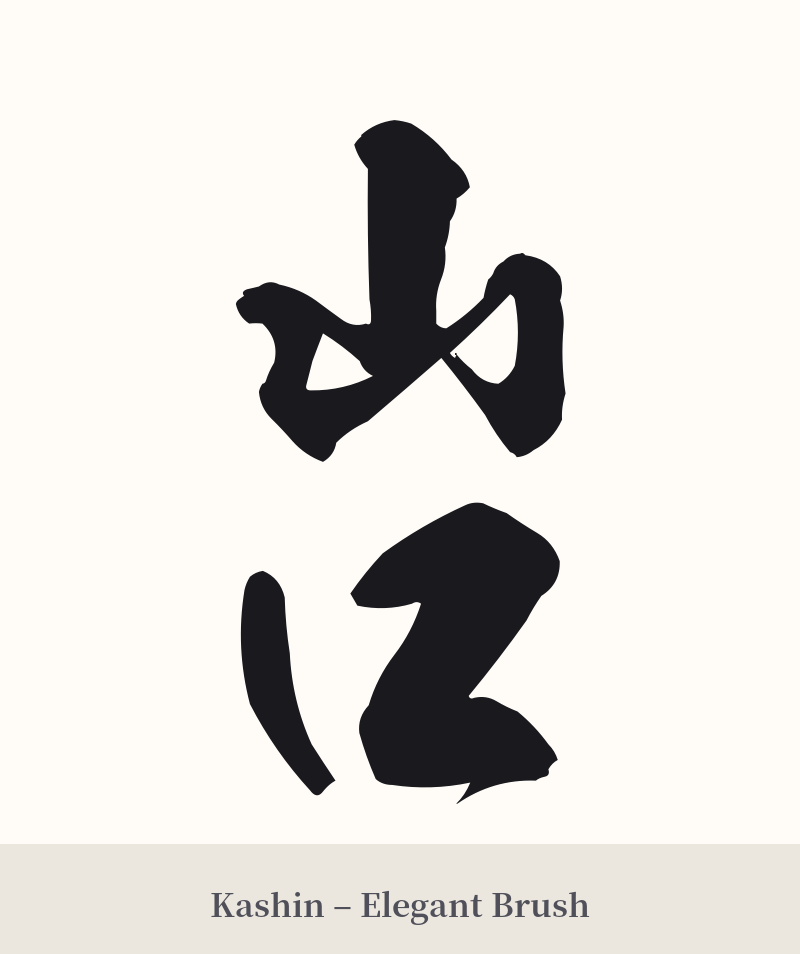
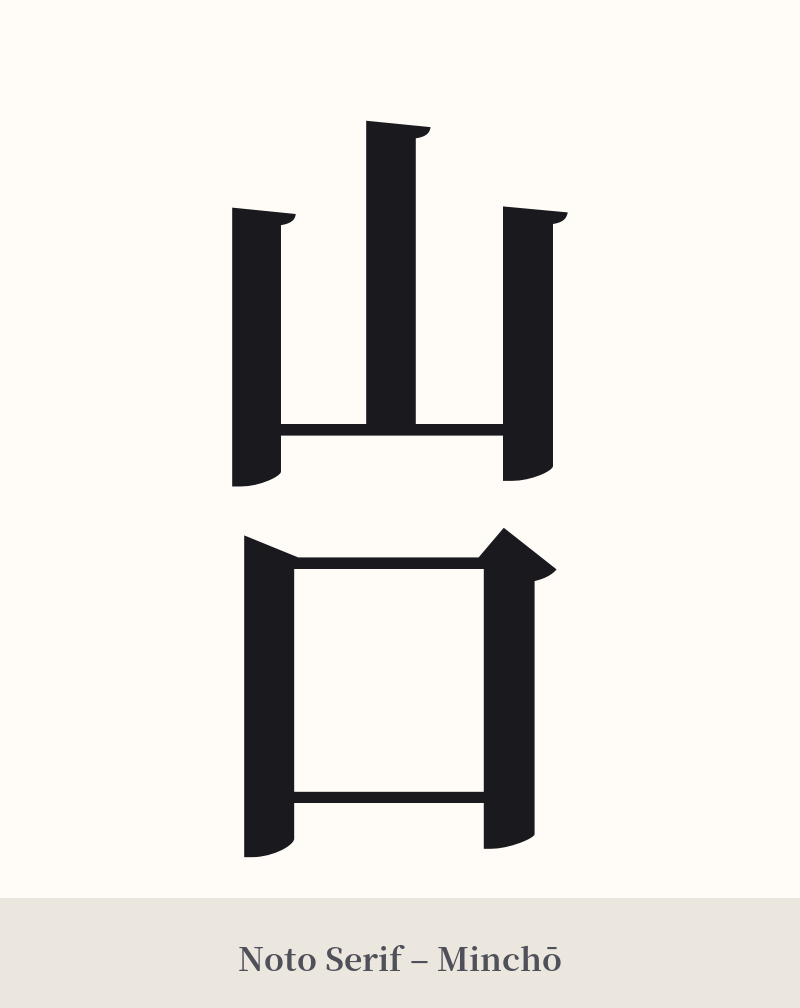
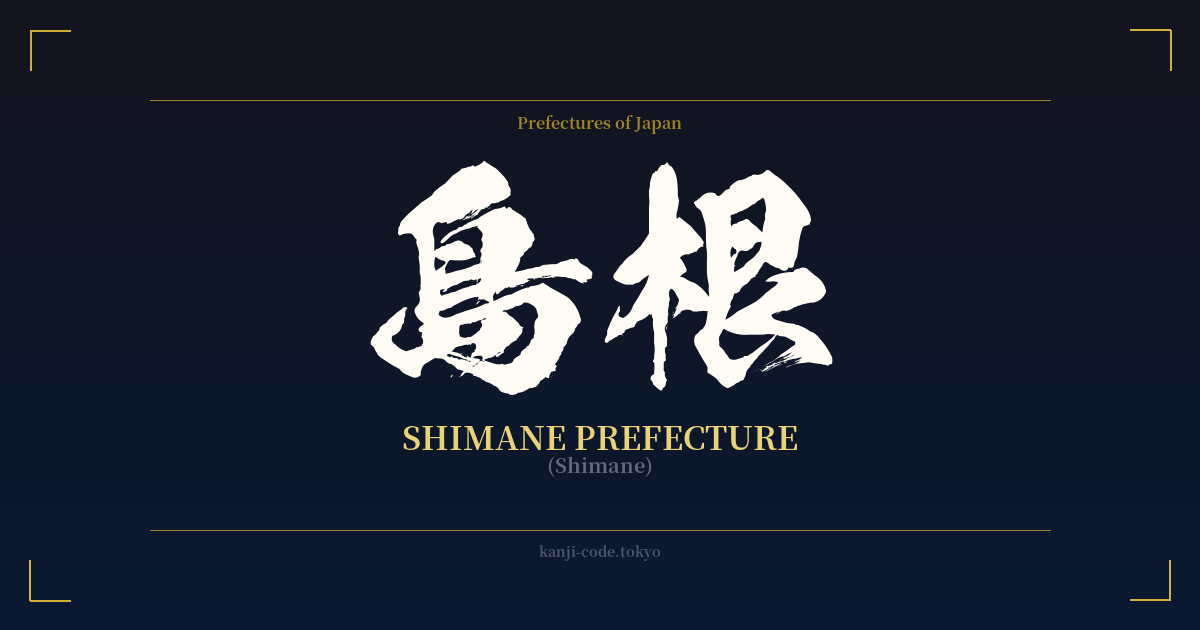
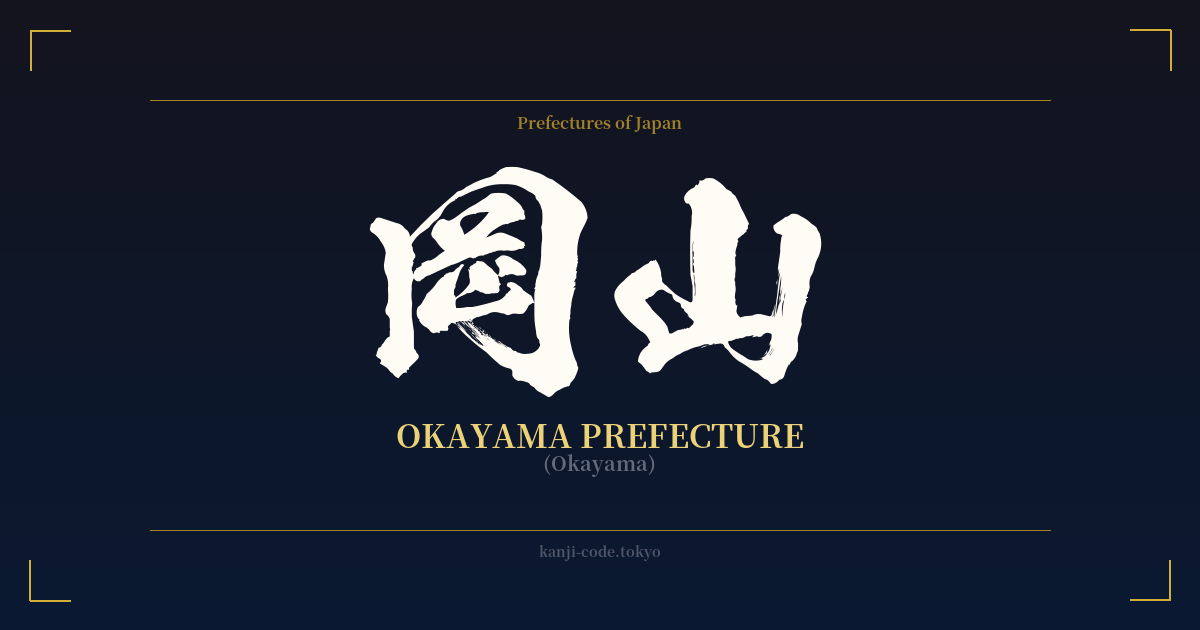
The same kanji can look dramatically different depending on the calligraphy style. Choose a font that matches the mood you want for your tattoo or design.
🎨 Tattoo Suitability
📐 Tattoo Design Guide
Due to its simplicity and common association as a name, the design approach for 山口 can vary based on intent. If it represents personal heritage, a straightforward and classic style is often best.
– Placement: For a personal connection, smaller placements like the inner wrist, ankle, or behind the neck work well. For a bolder declaration of heritage, the forearm or shoulder blade provides a good canvas.
– Font Style: A clean and legible Kaisho (block) or Mincho (serif) font emphasizes the characters' simple forms. For a more fluid and artistic feel, a semi-cursive Gyosho style can add a touch of elegance. A bold, powerful Shodo (calligraphy) style could be used to highlight the 'mountain' aspect of the name.
– Visual Tips: To add context beyond the name itself, consider incorporating related imagery. Pairing the kanji with a minimalist mountain range, a traditional torii gate, or the silhouette of the Kintai Bridge can elevate the design from a simple name to a more comprehensive visual story.
Comments