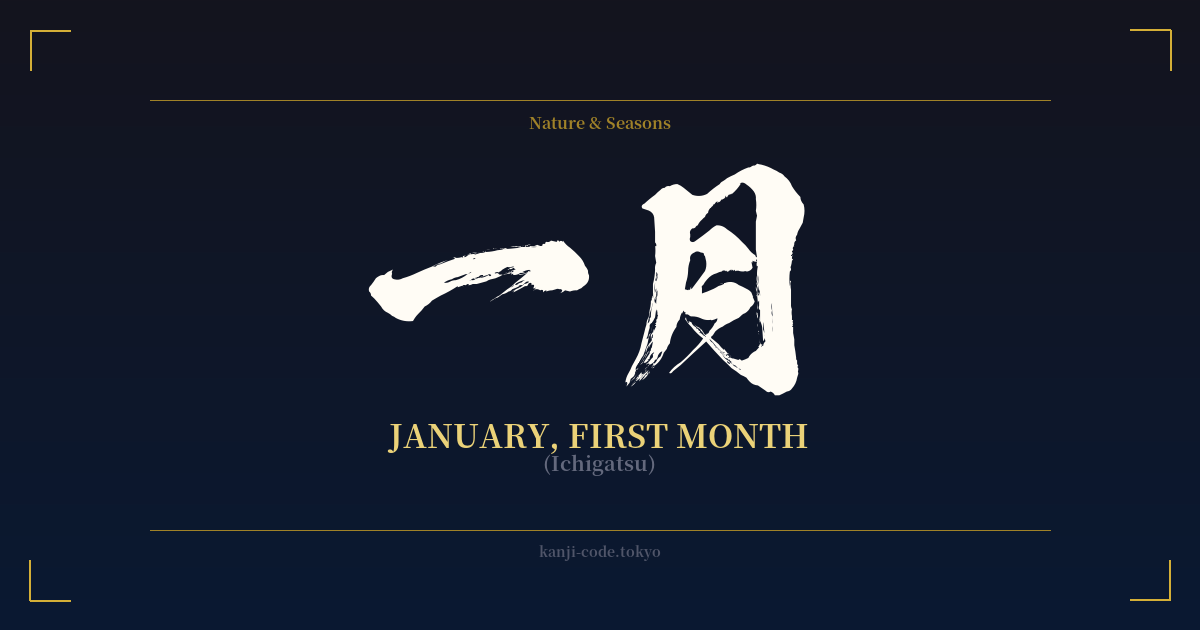
✍️ 一月 (Ichigatsu) — Cultural Context
一月 (Ichigatsu) is the Japanese word for January, the first month of the year. The characters are straightforward: 一 (ichi) means 'one' or 'first,' and 月 (gatsu) means 'month.' Together, they literally translate to 'the first month,' a simple and direct naming convention that Japan adopted with the Gregorian calendar in 1873.
While the name Ichigatsu is modern and functional, the month itself is steeped in some of Japan's most significant cultural traditions. January is synonymous with Shōgatsu (正月), the Japanese New Year, which is the most important holiday in the country. The atmosphere is one of renewal, hope, and quiet celebration.
The first few days of January are marked by Hatsumōde (初詣), the first shrine visit of the year. Millions of people flock to Shinto shrines and Buddhist temples to pray for good fortune, health, and success in the coming year. It's a time of crisp winter air, the scent of incense, and the sound of bells and wooden prayer plaques clinking in the wind.
Another central part of the New Year celebration is Osechi-ryōri (おせち料理), traditional foods served in elaborate stacked boxes called jūbako. Each dish within the Osechi has a symbolic meaning, representing wishes for things like longevity (shrimp with their curved backs), wealth (golden chestnuts), and fertility (herring roe). Families gather to share this special meal, reinforcing bonds and setting a harmonious tone for the year.
Before the adoption of the Gregorian calendar, the first month of the traditional lunisolar calendar was known by the more poetic name Mutsuki (睦月). While there are various theories about its origin, the most common interpretation is the 'month of harmony' or 'month of affection,' reflecting the joyful family reunions of the New Year. Today, Ichigatsu is the standard term, but Mutsuki is still cherished for its historical and literary elegance.
January in Japan is a time of transition. After the vibrant festivities of the first week, a sense of calm and routine returns. It's a month of cold weather, snow in the northern regions, and the quiet beauty of winter landscapes, setting the stage for the year ahead.
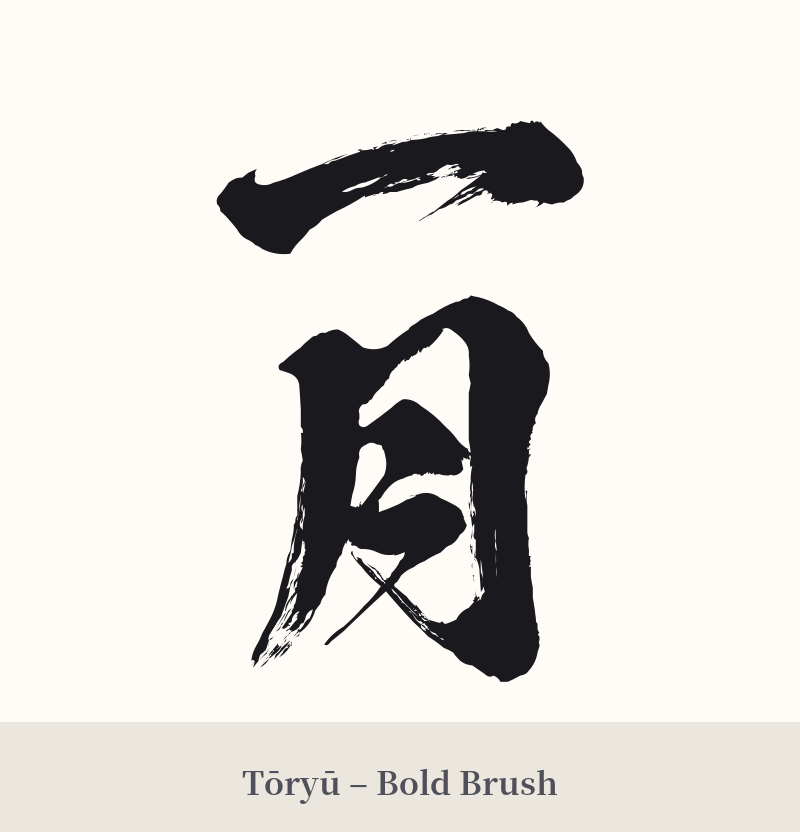
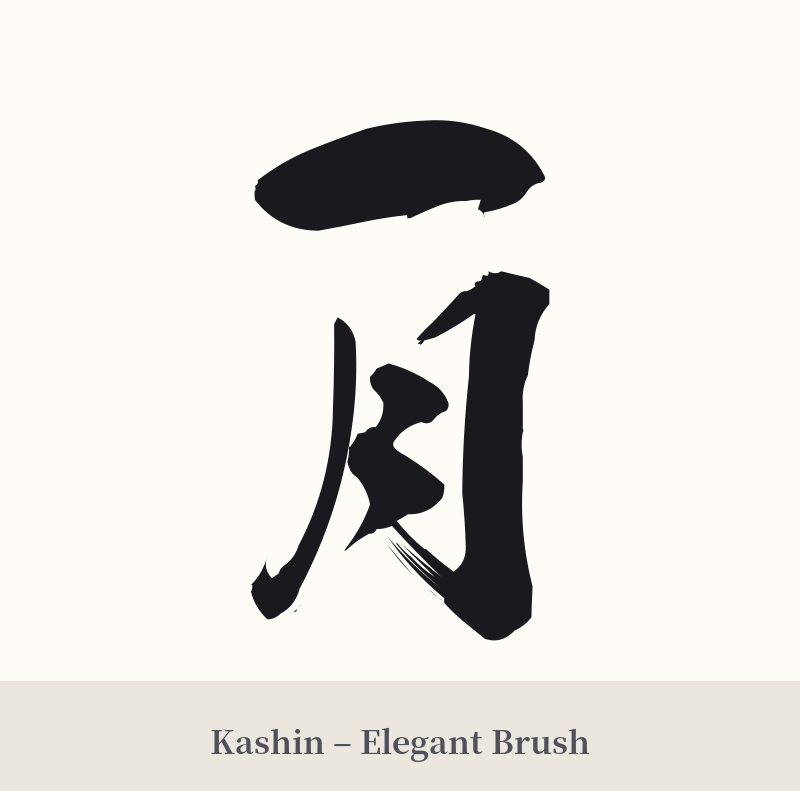
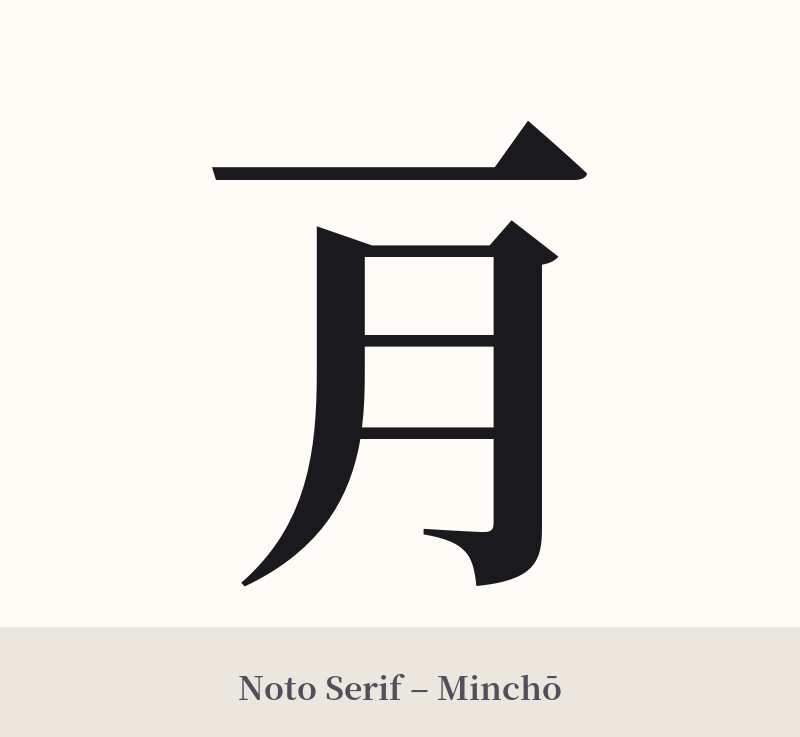
🖌️ Font Styles for 一月
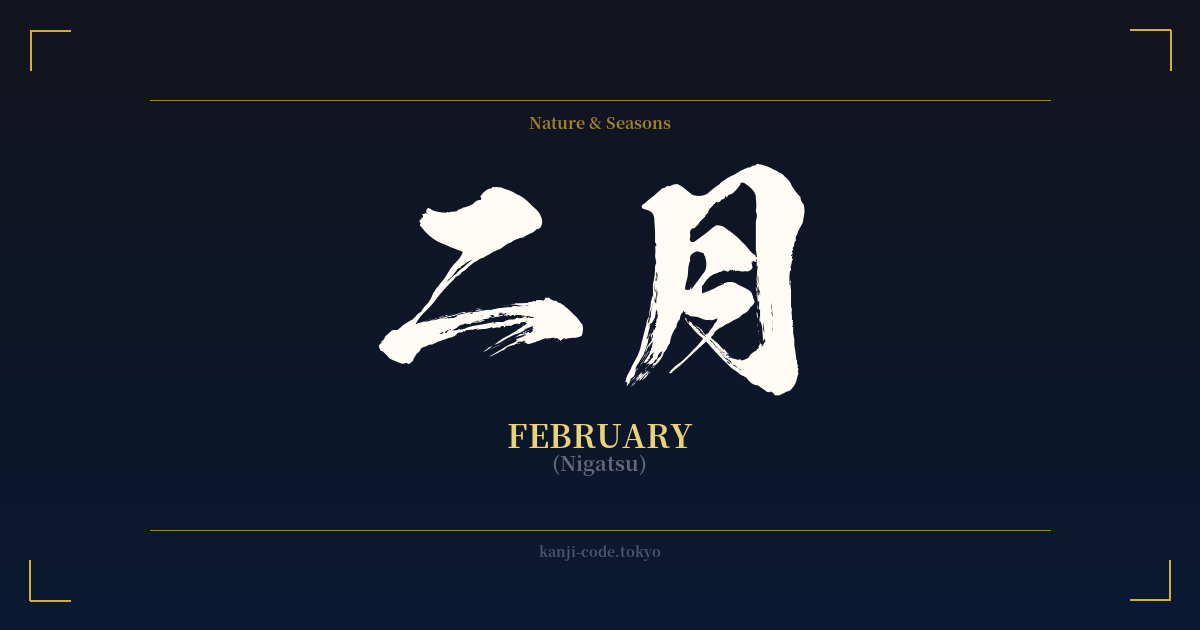
The same kanji can look dramatically different depending on the calligraphy style. Choose a font that matches the mood you want for your tattoo or design.
🎨 Tattoo Suitability
📐 Tattoo Design Guide
The kanji 一月 is defined by its simplicity, which should be the guiding principle for any tattoo design. Its clean lines lend themselves well to a minimalist aesthetic.
– Placement: Due to its small and simple nature, it works well in discreet locations. Consider the inner wrist, behind the ear, on the ankle, or along the collarbone. A vertical alignment is traditional and visually appealing.
– Font Style: A clean, crisp Mincho (serif) or Gothic (sans-serif) font will emphasize its modern, straightforward feel. Alternatively, a flowing Gyosho (semi-cursive) or Sosho (cursive) calligraphy style can add a touch of artistic flair and movement to the simple strokes.
– Visual Tips: To add more symbolic depth, you could incorporate 一月 into a larger piece. Consider pairing it with classic January motifs like a branch of a pine tree (matsu), bamboo (take), or plum blossoms (ume)—all symbols of the New Year, resilience, and perseverance through winter.
Comments