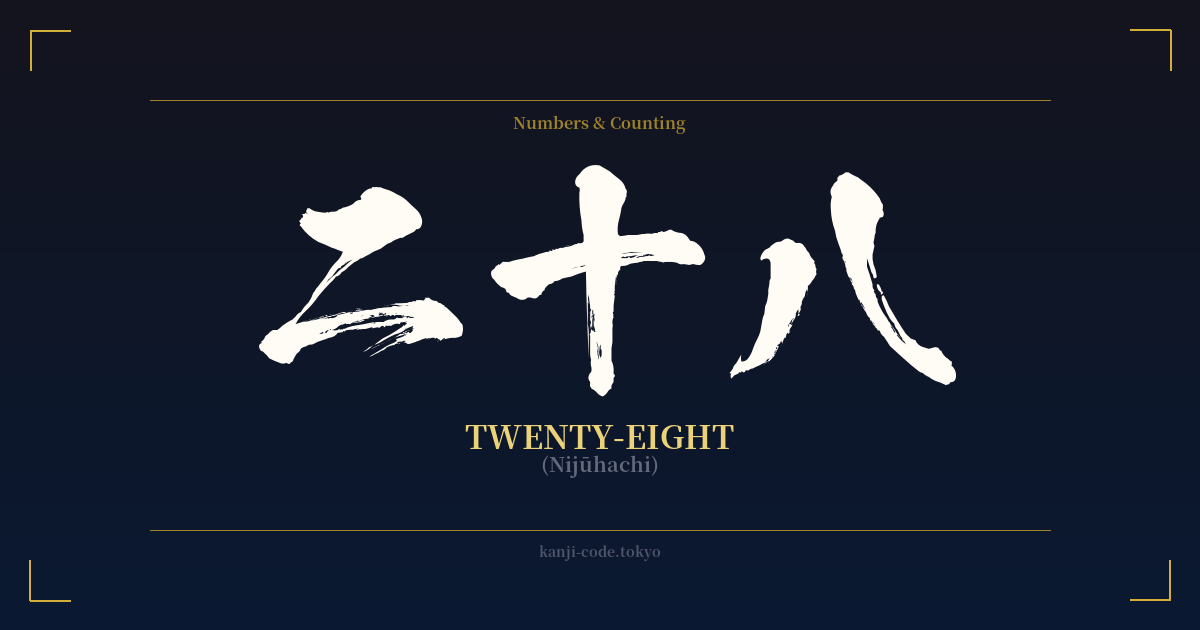
✍️ 二十八 (Nijūhachi) — Cultural Context
The Japanese word for twenty-eight, 二十八 (Nijūhachi), is constructed with a straightforward logic that defines the language's numerical system. It combines 二 (ni, two), 十 (jū, ten), and 八 (hachi, eight), literally translating to 'two-tens-eight'. While simple on the surface, this number carries a weight far beyond basic arithmetic, resonating with deep themes from astronomy, astrology, and Buddhism.
One of the most significant associations is with the Twenty-Eight Constellations, or 二十八宿 (Nijūhasshuku). This ancient system, originating in China and adopted into Japanese culture, divides the celestial sphere into 28 'mansions' or 'lodges' through which the moon travels. These constellations were fundamental to traditional East Asian cosmology, used for creating calendars, practicing astrology, and performing divination within the esoteric arts of Onmyōdō (The Way of Yin and Yang).
Each of the 28 constellations was associated with a specific day and held particular attributes, influencing the perceived luck and fortune of events. Choosing the right day based on the lunar mansion was crucial for everything from starting a journey to building a house or getting married. This imbues the number 28 with a sense of cosmic order, fate, and the cyclical nature of time.
This celestial significance is mirrored in the Buddhist realm with the Twenty-Eight Attendants of Kannon, the Bodhisattva of Compassion. Known as the 二十八部衆 (Nijūhachi Bushū), this diverse group of guardian deities pledges to protect and serve Kannon and all who follow the Buddhist path. These protectors include powerful figures like the fierce Ashura, celestial generals, and nature spirits, each representing a different facet of enlightened power.
To see the number 28 is to invoke this pantheon of guardians. It symbolizes divine protection, compassion, and the collective power of different beings united for a single, benevolent purpose. This connection transforms the number from a mere quantity into a powerful spiritual emblem.
Furthermore, the number contains 八 (hachi, eight), which is considered highly auspicious in Japan. The character's shape, spreading outwards at the bottom (末広がり, suehirogari), symbolizes ever-expanding prosperity and good fortune. This positive nuance lends a subtle but important layer of luck to the number twenty-eight.
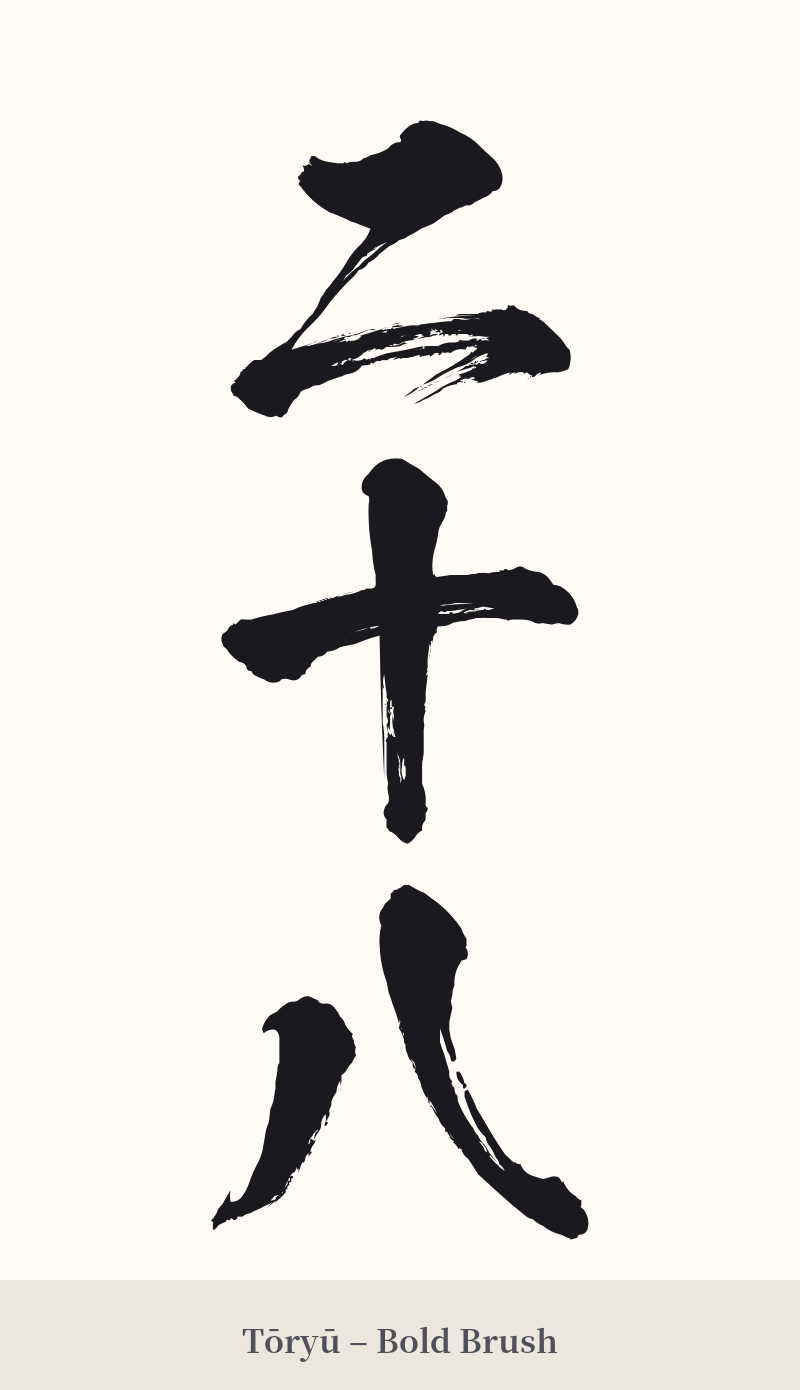
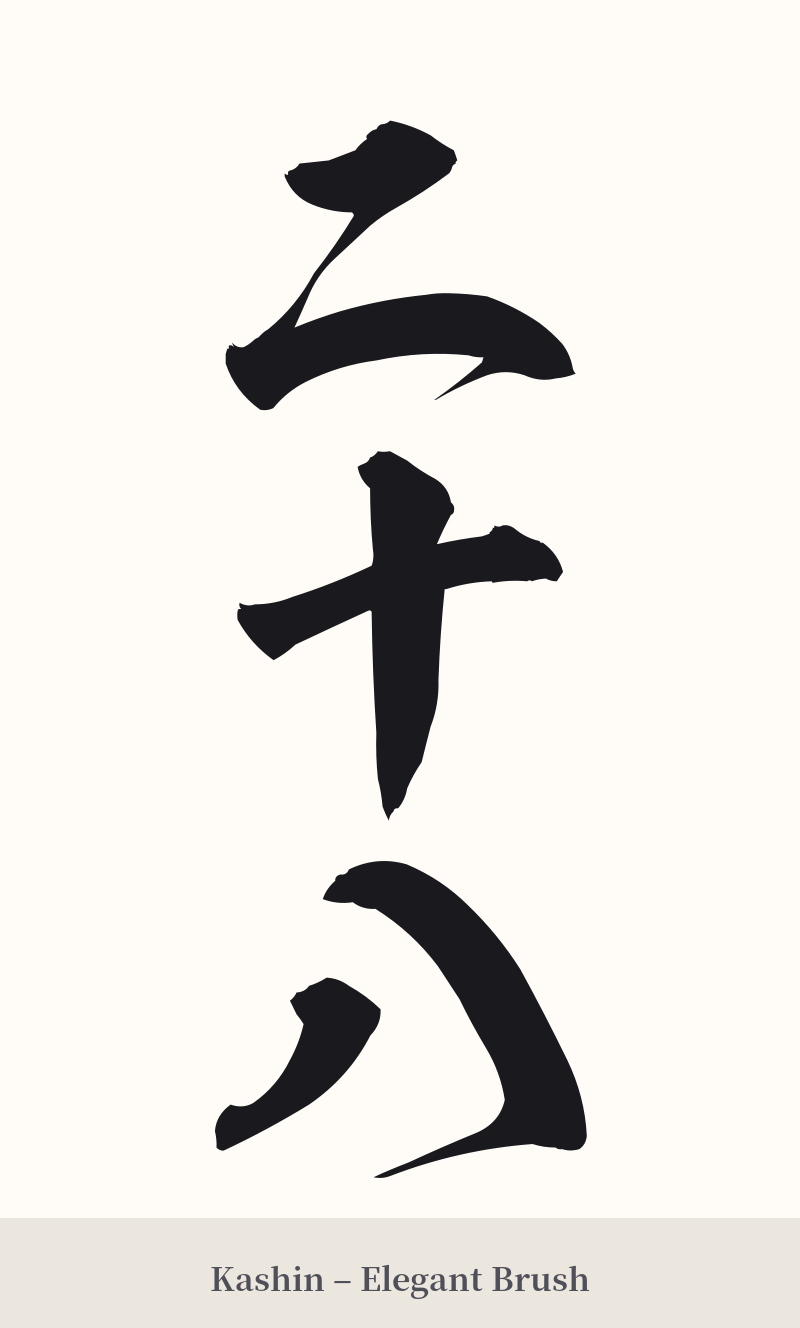
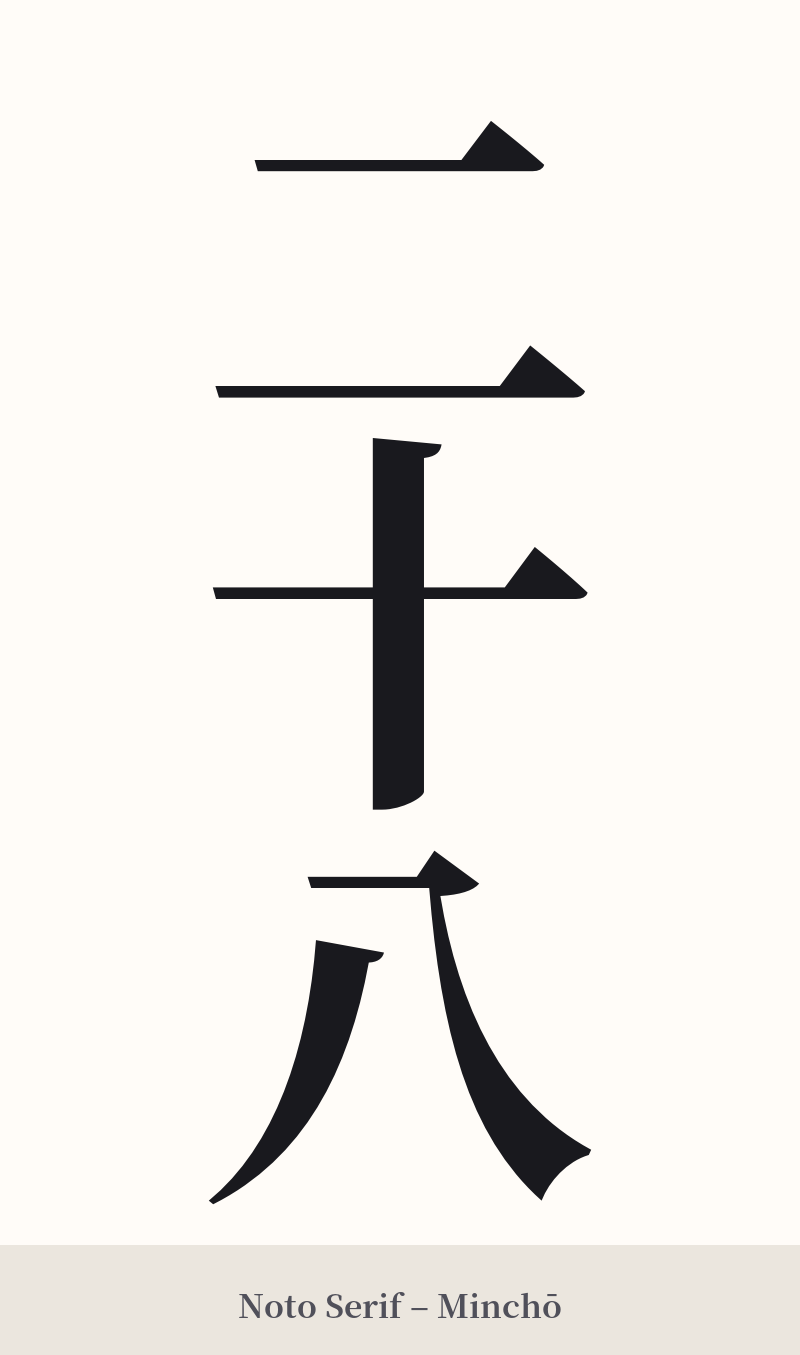
🖌️ Font Styles for 二十八
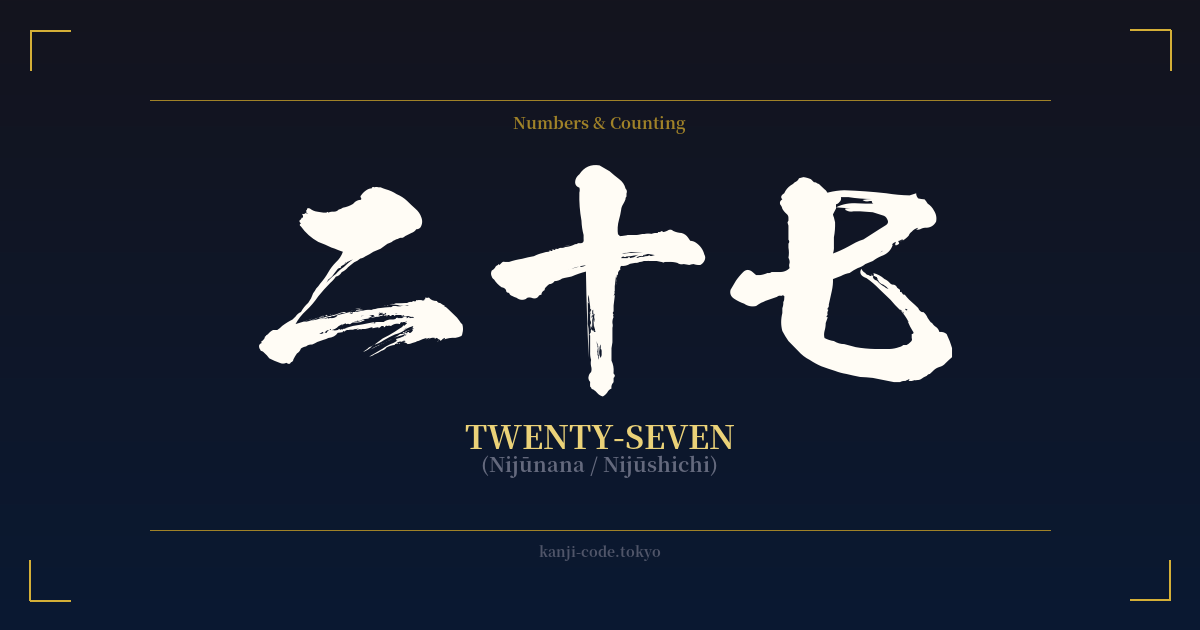
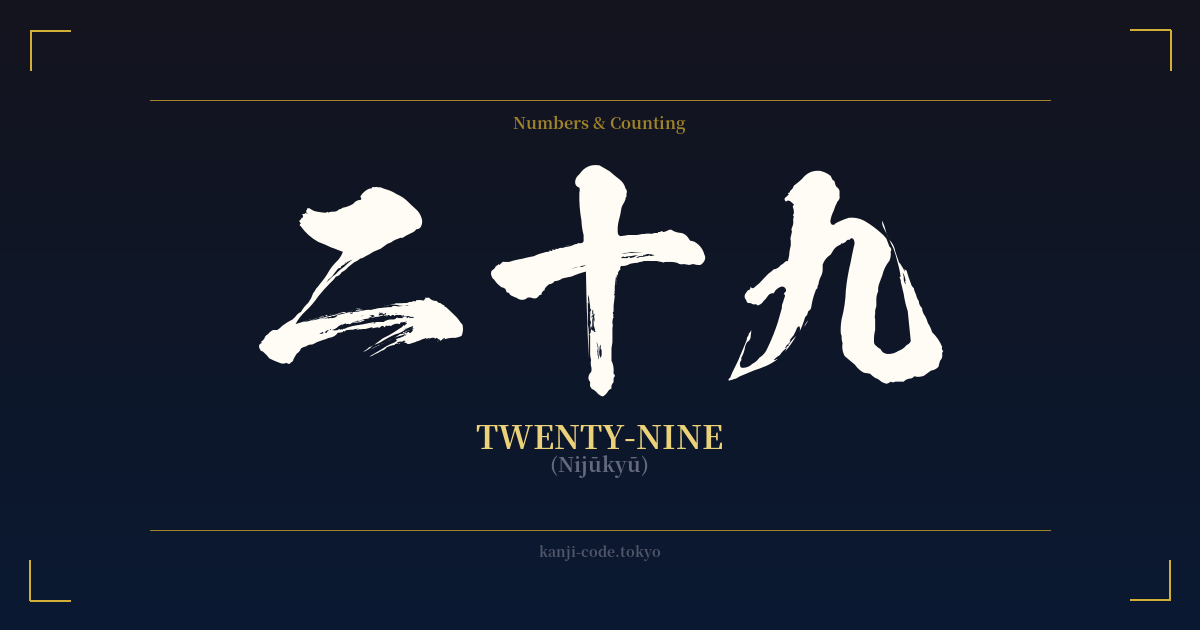
The same kanji can look dramatically different depending on the calligraphy style. Choose a font that matches the mood you want for your tattoo or design.
🎨 Tattoo Suitability
📐 Tattoo Design Guide
For a 二十八 tattoo, the layout and style can dramatically influence its meaning. Vertical alignment is traditional for kanji and works exceptionally well on the forearm, calf, or along the spine, echoing classic Japanese calligraphy scrolls.
A horizontal arrangement can also be effective, particularly across the chest, upper back, or on the inner wrist for a more subtle design.
– Font Style: A crisp, formal Kaisho (block script) font emphasizes the structured, numerical nature of the kanji. For a more artistic and ancient feel, consider a flowing Gyōsho (semi-cursive) or Sosho (cursive) script, which can hint at the celestial and spiritual energy behind the number.
– Visual Tips: To make the meaning more explicit and avoid it looking like a random date, consider incorporating it into a larger piece. You could embed the kanji within a star chart or a design of the moon passing through constellations. Alternatively, placing it alongside an image of the Bodhisattva Kannon or one of her attendants, like Ashura, would create a powerful and unambiguous spiritual statement.
Comments