蜃気楼 (Mirage): Meaning & Origin – Japanese Kanji Design

🐉 Mythical Creatures

✍️ 蜃気楼 (Shinkirō) — Cultural Context

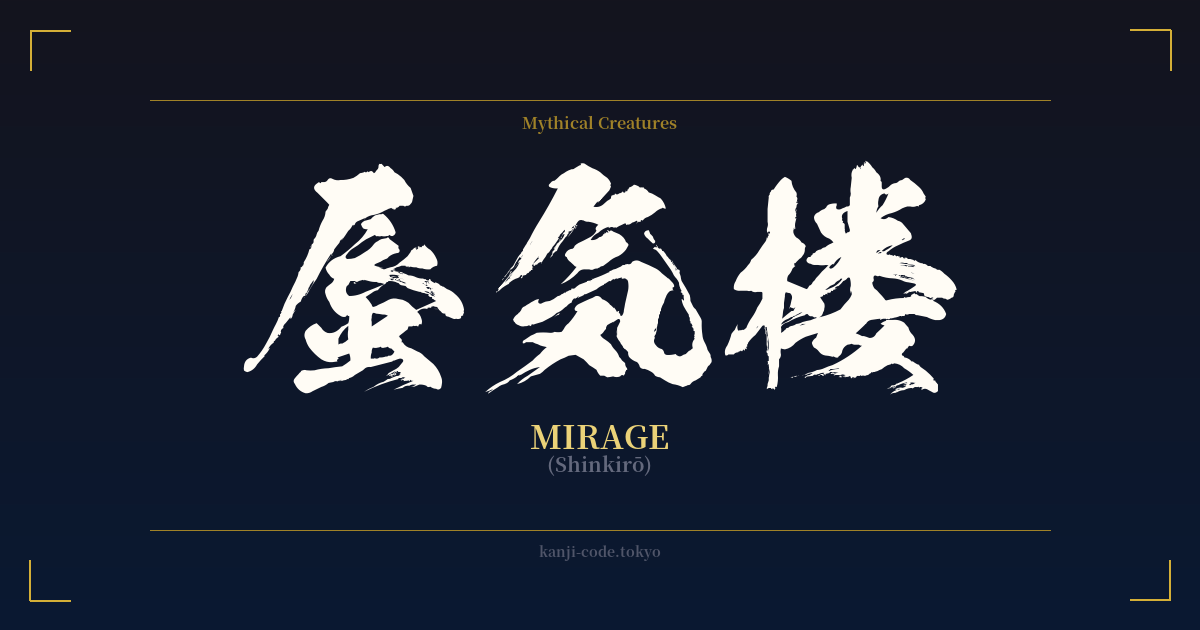
Shinkirō, the Japanese word for mirage, is a term steeped in myth, poetry, and the quiet acceptance of life's impermanence. While it scientifically describes an optical phenomenon, its cultural weight is far more profound, originating from a belief that is as beautiful as it is fantastical.

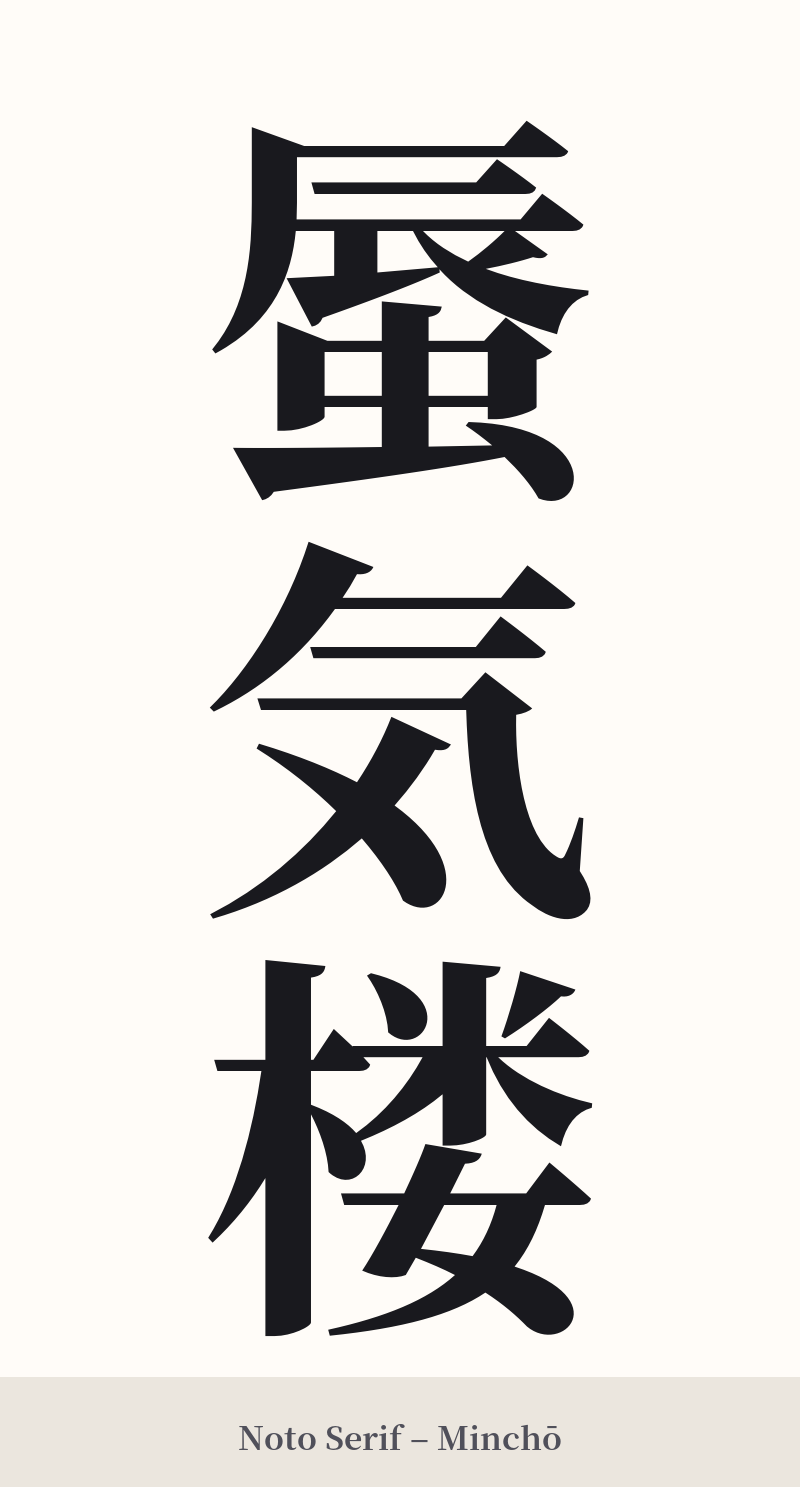
The etymology of 蜃気楼 is a story in itself. The word is composed of three kanji: 蜃 (shin), 気 (ki), and 楼 (rō). In ancient Chinese and Japanese folklore, the 蜃 (shin) was not just a simple clam but a mythical sea creature, often depicted as a giant clam or even a dragon, that dwelled deep in the ocean. It was believed that this creature would exhale its 気 (ki), its breath or spiritual energy, into the air.

This mystical breath would then coalesce to form 楼 (rō), which means towers, pavilions, or grand buildings. Thus, the fantastical cities and landscapes that seemed to shimmer on the horizon were not tricks of the light but rather the

🖌️ Font Styles for 蜃気楼

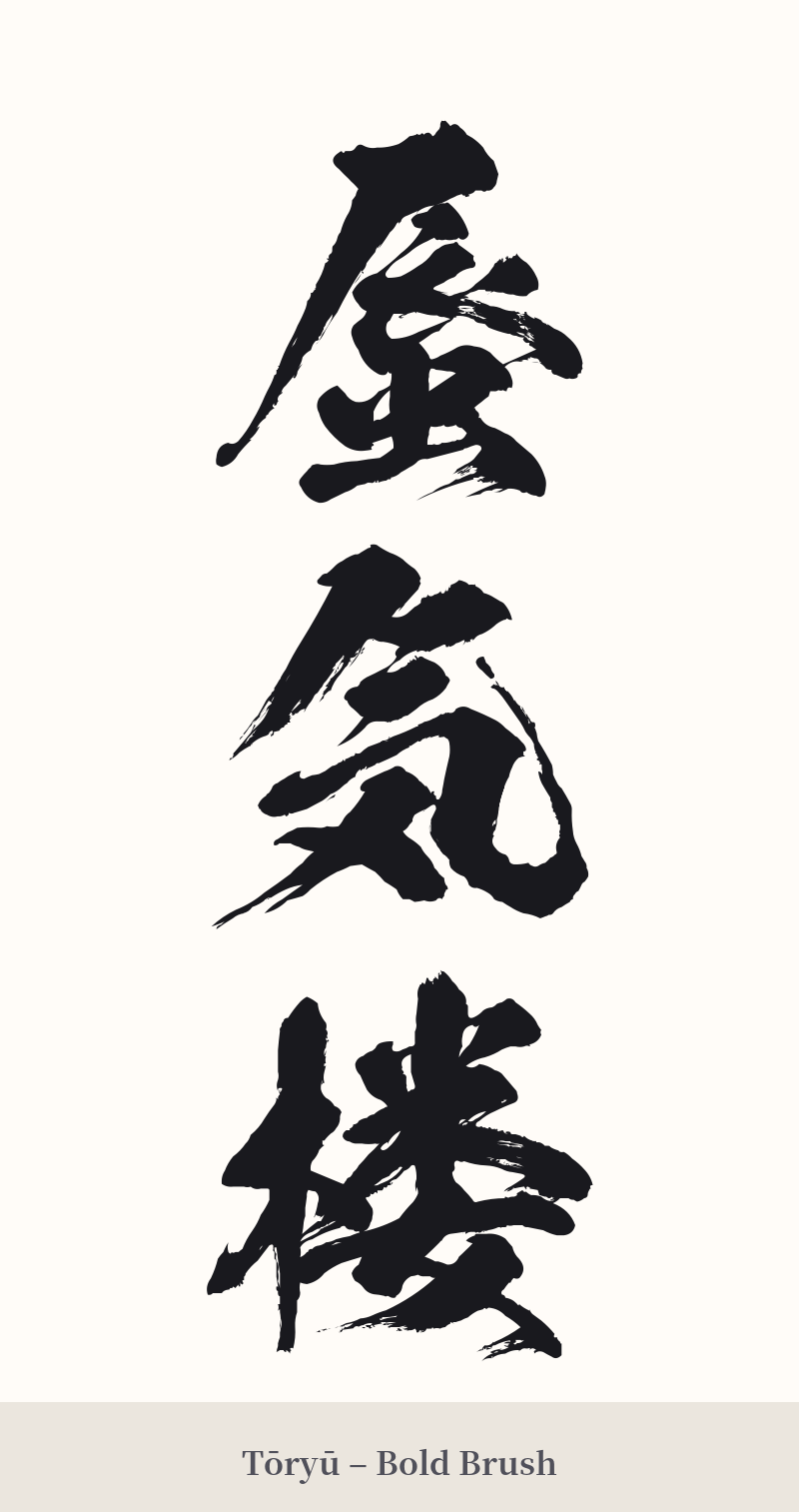
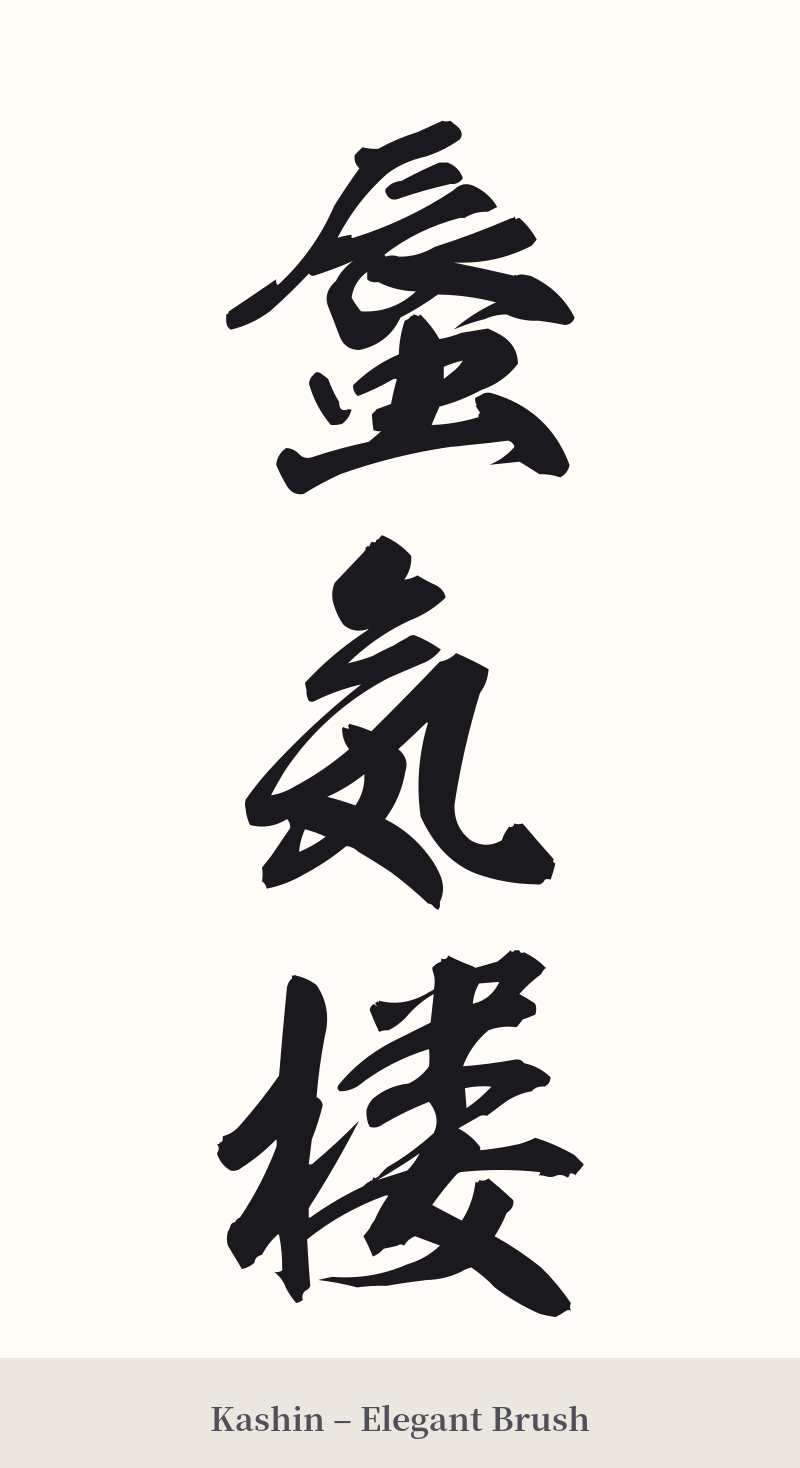
The same kanji can look dramatically different depending on the calligraphy style. Choose a font that matches the mood you want for your tattoo or design.
🎨 Tattoo Suitability

★★☆ Moderately Suitable
The word has a deeply poetic and philosophical meaning, and the three characters create a visually balanced design. However, its literal meaning ('Clam's Breath Tower') is not intuitive and the complexity of two of the characters requires a skilled artist and sufficient size to remain legible.
⚠️ Cultural Note: Be aware that the direct, literal translation of the characters is 'Clam's Breath Tower.' While this is the fascinating origin of the word, it may not be the meaning someone is looking for when they want a tattoo symbolizing 'illusion' or 'mirage' in a more general sense.

📐 Tattoo Design Guide

When designing a tattoo for 蜃気楼, the goal is to capture its ethereal and illusory nature.

– Placement: Vertical alignment is highly recommended for this three-character word. It creates a beautiful flow down the arm, leg, or along the spine. For horizontal placement, the upper back or chest allows for the necessary width.

– Font Style: A semi-cursive script (gyōsho) is an excellent choice. Its flowing, connected strokes can mimic the shimmering, unstable quality of a mirage. For a more mystical and abstract feel, a full cursive script (sōsho) can be stunning, though it may be less legible to the untrained eye. A classic block script (kaisho) will give it a strong, architectural feel, referencing the '楼' (tower) character.

– Visual Tips: Consider incorporating visual elements that enhance the theme. This could be subtle, like having the strokes themselves seem to dissolve or waver at the edges. You could also weave imagery of a distant, shimmering city, heat waves, or even the mythical clam creature into the background of the kanji.
🔍 Kanji Breakdown: 蜃気楼

The first character, 蜃 (shin), means 'clam.' In the context of this word, it refers to a mythical sea-dwelling creature, a giant clam or dragon, whose breath was believed to create illusions.
気 (ki) is a fundamental concept in East Asian thought, meaning 'spirit,' 'air,' or 'energy.' Here, it specifically represents the 'breath' or 'exhalation' from the mythical clam, the very substance of the illusion.
The final character, 楼 (rō), means 'watchtower' or 'multi-storied building.' It describes the fantastic castles, towers, and pavilions that would appear in the sky or on the horizon as part of the mirage.

❓ Frequently Asked Questions

What is the literal meaning of the kanji in 蜃気楼 (Shinkirō)?
Literally, the characters break down to 'Clam's Breath Tower.' This comes from an ancient myth that mirages were the illusory towers created by the breath of a giant, mythical sea clam.
Is 蜃気楼 a common word in Japan?
Yes, Shinkirō is the standard word for a mirage, both the natural phenomenon and as a metaphor. It's often used in literature, music, and art to describe something that is beautiful but illusory, fleeting, or unattainable.
What is the philosophical meaning of Shinkirō?
Philosophically, Shinkirō connects to the Buddhist concept of 'mujō' (無常), or impermanence. It serves as a powerful metaphor for the transient nature of dreams, ambitions, and even life itself—beautiful and real in the moment, but ultimately an illusion that will fade.

🔗 Related Kanji

⚠️ Important: Before You Get Inked

The Kanji designs and meanings on this site are for inspiration purposes. While we strive for accuracy, Japanese characters can have multiple nuances depending on the context.

Tattoos are permanent. We strongly recommend consulting with a native Japanese speaker or a professional tattoo artist to verify the design and meaning before getting a tattoo.

Did I save you from a bad tattoo?

Creating accurate Kanji definitions takes time and research.
If this guide helped you, please consider buying me a Green Tea to support the site! 🍵

🐉 Mythical Creatures

Comments

Copied title and URL