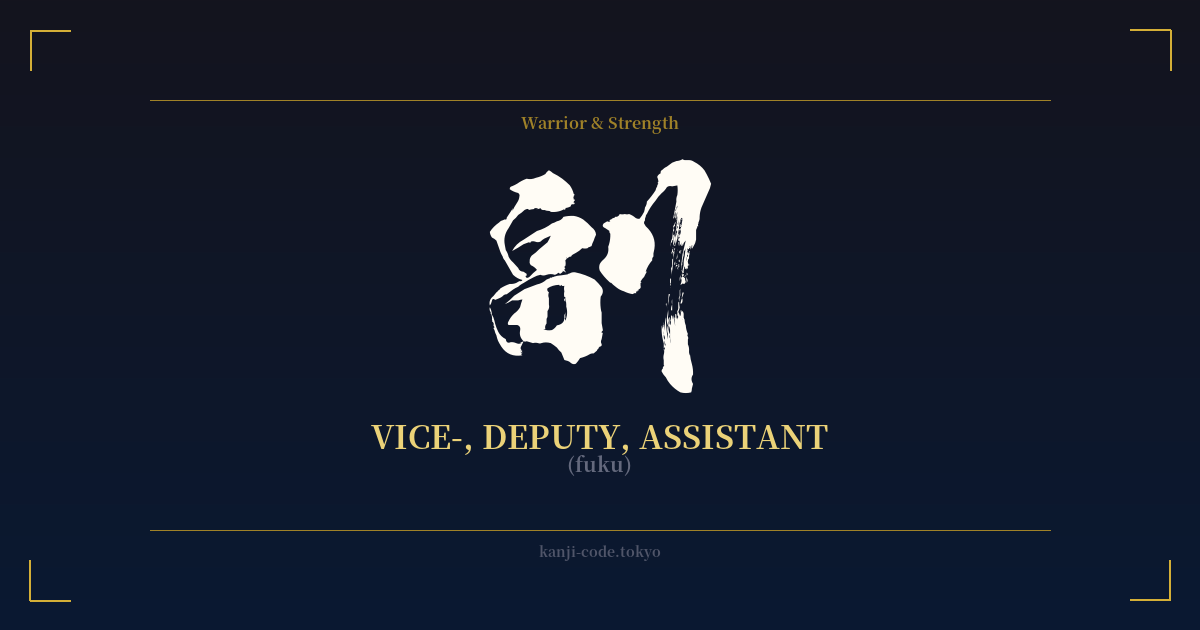
✍️ 副 (fuku) — Cultural Context
The kanji 副 (fuku) is one of the most common and practical characters in the Japanese language, yet it is one of the least suitable for personal expression like a tattoo. Its core meaning revolves around concepts of being secondary, an assistant, a duplicate, or a vice- a prefix that denotes a supporting role rather than a primary one.
In Japanese society, which places a high value on structure and hierarchy, 副 is an essential organizational term. You see it everywhere in corporate and governmental titles. For example, a Vice President is a 副社長 (fuku-shachō), where 社長 (shachō) is the President. This kanji clearly and efficiently defines a person's position relative to the principal leader. It signifies the number two position, the one who supports the head.
Historically, the character's components offer a glimpse into its origin. The right side is a variant of the radical for 'sword' or 'knife' (刀), suggesting the act of splitting or dividing. The left side (畐) is said to have originally depicted a full vessel, like a wine jug. Together, the image conveyed the idea of 'splitting' something to create a second part or a copy, which evolved into its modern meaning of 'secondary' or 'duplicate'.
While being supportive is a virtue, 副 does not capture the emotional or philosophical sense of support. It is a label of rank. For the spirit of support, one might look to characters like 支 (sasaeru – to support) or 忠 (chū – loyalty). 副 is more clinical and bureaucratic.
A fascinating modern usage is in the word 副業 (fukugyō), which means 'side business' or 'side hustle'. As lifetime employment models in Japan have begun to shift, the concept of having a fukugyō has become increasingly popular. Here, 副 again denotes something that is not one's primary occupation but a secondary source of income or passion. Even in this context, it highlights the character's role in defining something as 'additional' rather than 'central'.
Ultimately, 副 is a functional character. It is the linguistic equivalent of a supporting actor in a film—absolutely necessary for the story to work, but never the main character. Its meaning is entirely dependent on the main noun it modifies, making it a confusing and underwhelming choice to stand alone as a tattoo.
🖌️ Font Styles for 副
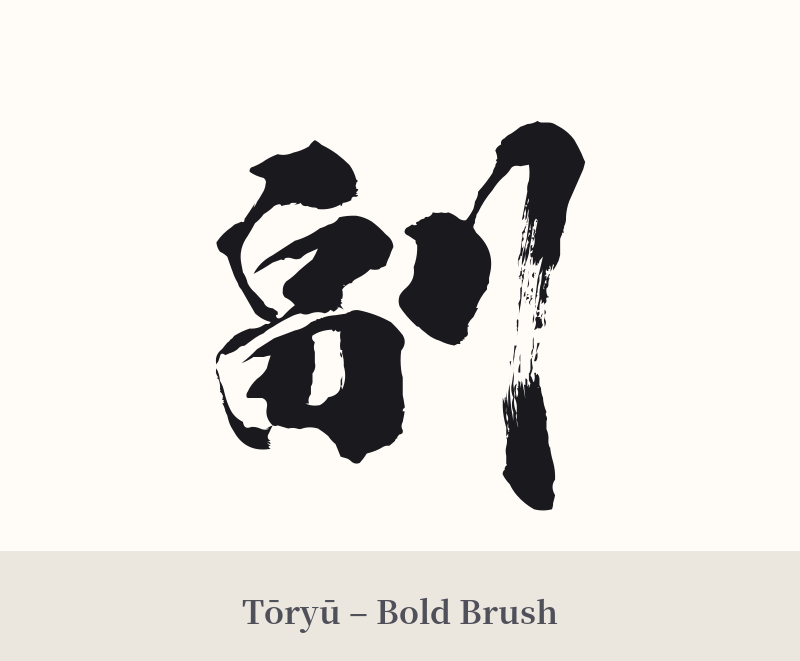
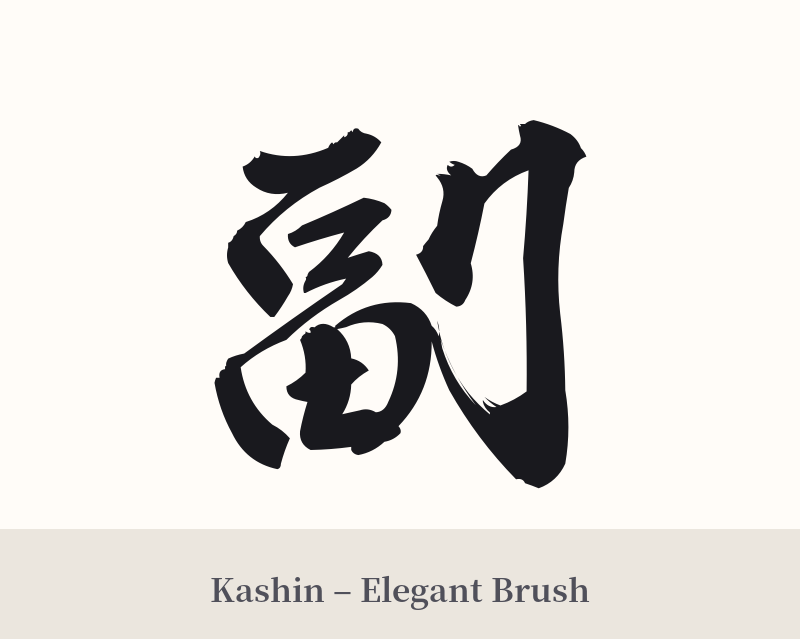
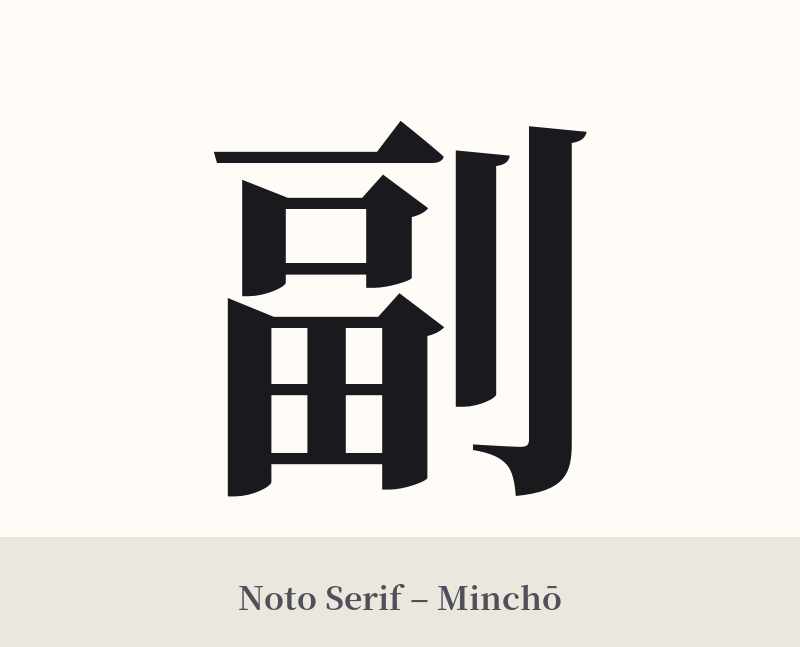
The same kanji can look dramatically different depending on the calligraphy style. Choose a font that matches the mood you want for your tattoo or design.
🎨 Tattoo Suitability
📐 Tattoo Design Guide
We strongly advise against using the single kanji 副 for a tattoo due to its incomplete meaning and subordinate connotations. It simply does not work as a standalone design and will cause confusion.
If you are absolutely set on using this character, it must be part of a larger, meaningful compound word. For instance:
– Paired with another kanji: To have any significance, 副 must modify another character to form a complete word. This is not recommended for a tattoo unless the full word has deep personal meaning, which is rare for words using 副. – As part of a phrase: A tattoo artist could potentially incorporate a word containing 副 into a larger piece that tells a story about partnership or a specific role, but the character itself should not be the focal point.
In short, the best design guide for 副 is to choose a different kanji that better represents the concept you wish to embody.
Comments