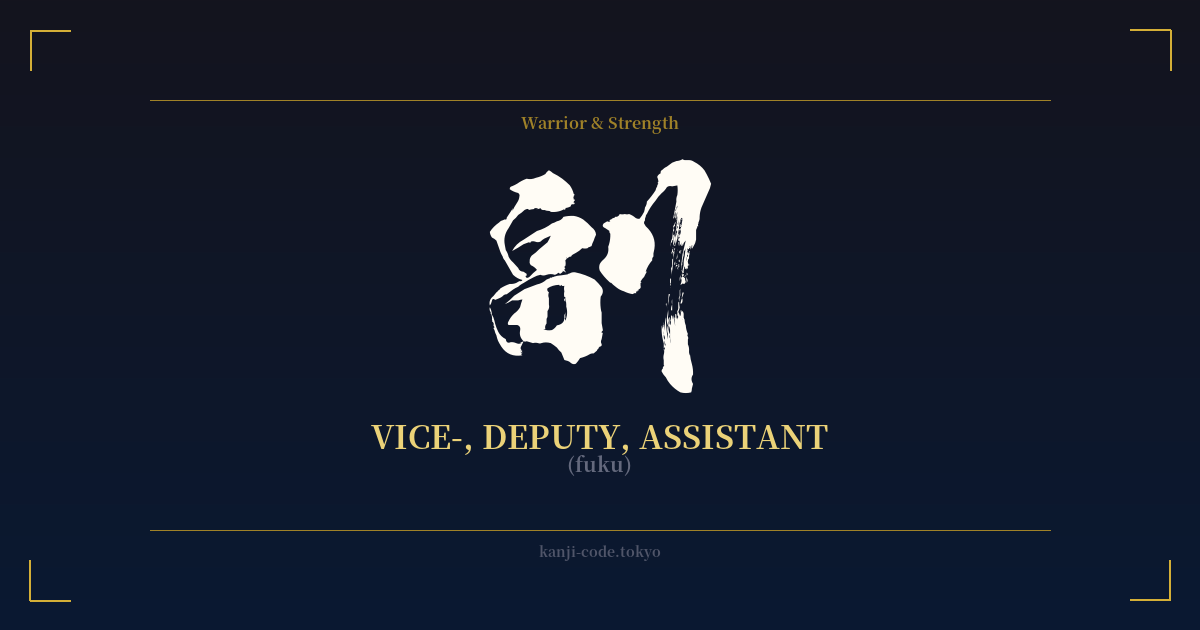
✍️ 副 (fuku) — Contexto cultural
El kanji 副 (fuku) es uno de los caracteres más comunes y prácticos del idioma japonés, pero también uno de los menos adecuados para la expresión personal, como un tatuaje. Su significado principal gira en torno a conceptos como secundario, asistente, duplicado o vice, un prefijo que denota un papel de apoyo en lugar de uno principal.
En la sociedad japonesa, que valora mucho la estructura y la jerarquía, 副 es un término organizativo esencial. Se encuentra por doquier en los títulos corporativos y gubernamentales. Por ejemplo, un vicepresidente es 副社長 (fuku-shachō), donde 社長 (shachō) es el presidente. Este kanji define de forma clara y eficaz la posición de una persona con respecto al líder principal. Significa el segundo puesto, el que apoya al jefe.
Históricamente, los componentes del carácter ofrecen una idea de su origen. El lado derecho es una variante del radical de 'espada' o 'cuchillo' (刀), que sugiere el acto de dividir o separar. Se dice que el lado izquierdo (畐) representaba originalmente un recipiente lleno, como una jarra de vino. En conjunto, la imagen transmitía la idea de 'dividir' algo para crear una segunda parte o una copia, que evolucionó hasta su significado moderno de 'secundario' o 'duplicado'.
Si bien brindar apoyo es una virtud, 副 no refleja el sentido emocional ni filosófico del mismo. Es simplemente una etiqueta de rango. Para comprender el espíritu de apoyo, se pueden usar caracteres como 支 (sasaeru – apoyar) o 忠 (chū – lealtad). 副 es más impersonal y burocrático.
Un ejemplo fascinante de uso moderno se encuentra en la palabra 副業 (fukugyō), que significa 'negocio secundario' o 'actividad complementaria'. A medida que los modelos de empleo de por vida en Japón han comenzado a cambiar, el concepto de tener un fukugyō se ha vuelto cada vez más popular. Aquí, 副 nuevamente denota algo que no es la ocupación principal, sino una fuente secundaria de ingresos o una pasión. Incluso en este contexto, resalta el papel del carácter al definir algo como 'adicional' en lugar de 'central'.
En definitiva, 副 es un carácter funcional. Es el equivalente lingüístico de un actor secundario en una película: absolutamente necesario para que la historia funcione, pero nunca el protagonista. Su significado depende por completo del sustantivo principal al que modifica, lo que lo convierte en una opción confusa y poco impactante para un tatuaje.
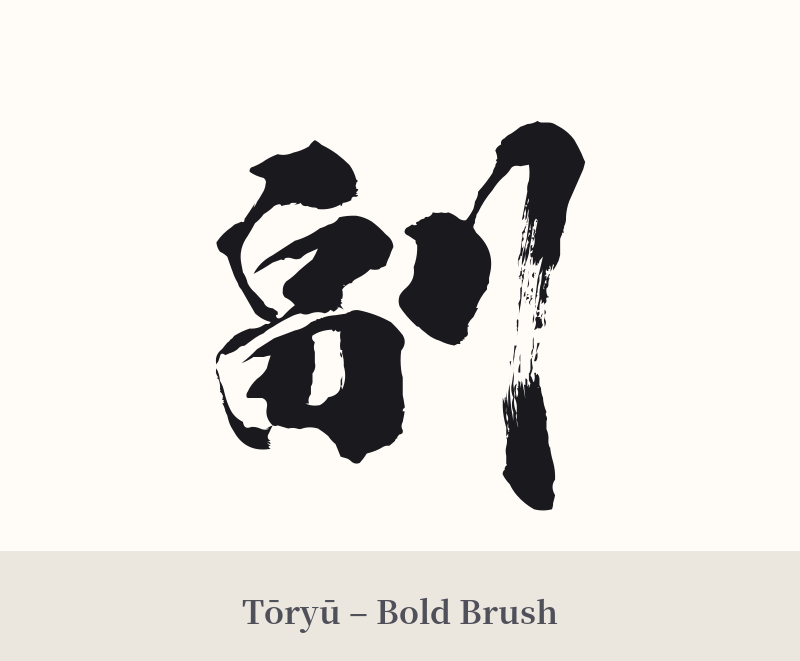
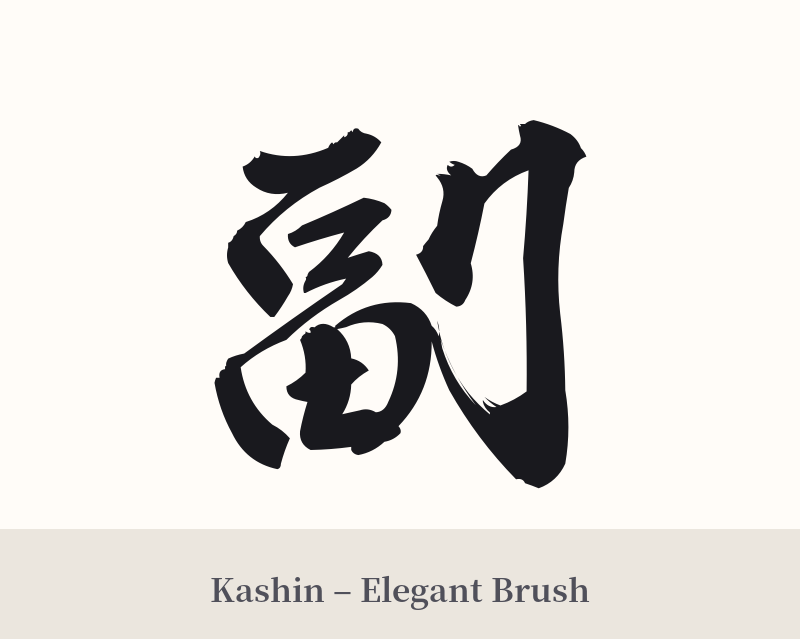
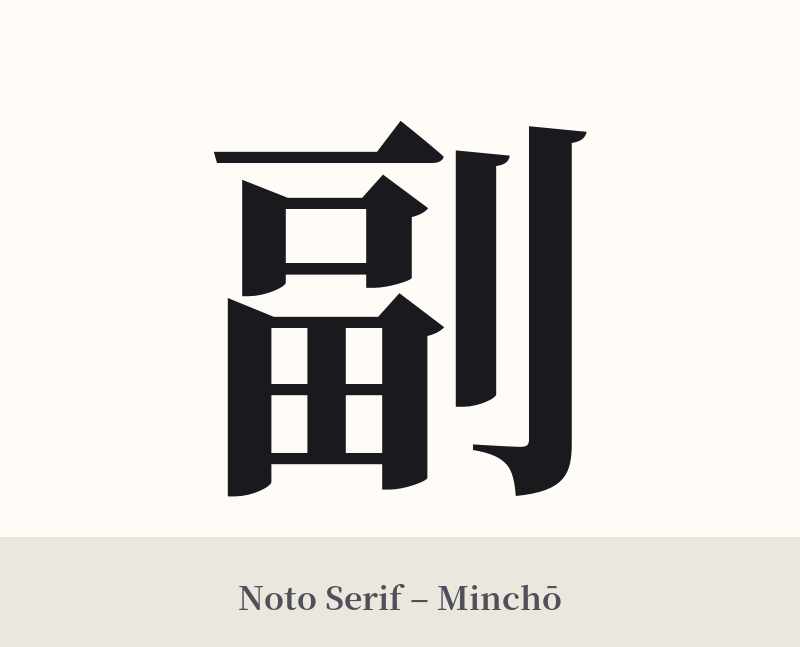
🖌️ Estilos de fuente para 副
Los mismos caracteres kanji pueden verse muy diferentes según el estilo de caligrafía. Elige una fuente que se ajuste al ambiente que deseas para tu tatuaje o diseño.
🎨 Idoneidad para tatuajes
📐 Guía de diseño de tatuajes
Desaconsejamos encarecidamente el uso del kanji 副 para un tatuaje debido a su significado incompleto y sus connotaciones secundarias. Simplemente no funciona como diseño independiente y puede generar confusión.
Si insiste en utilizar este carácter, debe formar parte de una palabra compuesta más larga y con significado. Por ejemplo:
– Combinado con otro kanji: Para tener algún significado, 副 debe modificar otro carácter para formar una palabra completa. Esto no se recomienda para un tatuaje a menos que la palabra completa tenga un profundo significado personal, lo cual es raro para palabras que usan 副. – Como parte de una frase: Un tatuador podría incorporar una palabra que contenga 副 en una pieza más grande que cuente una historia sobre una relación de pareja o un rol específico, pero el carácter en sí no debe ser el punto central.
En resumen, la mejor guía de diseño para 副 es elegir un kanji diferente que represente mejor el concepto que se desea plasmar.
Comentarios