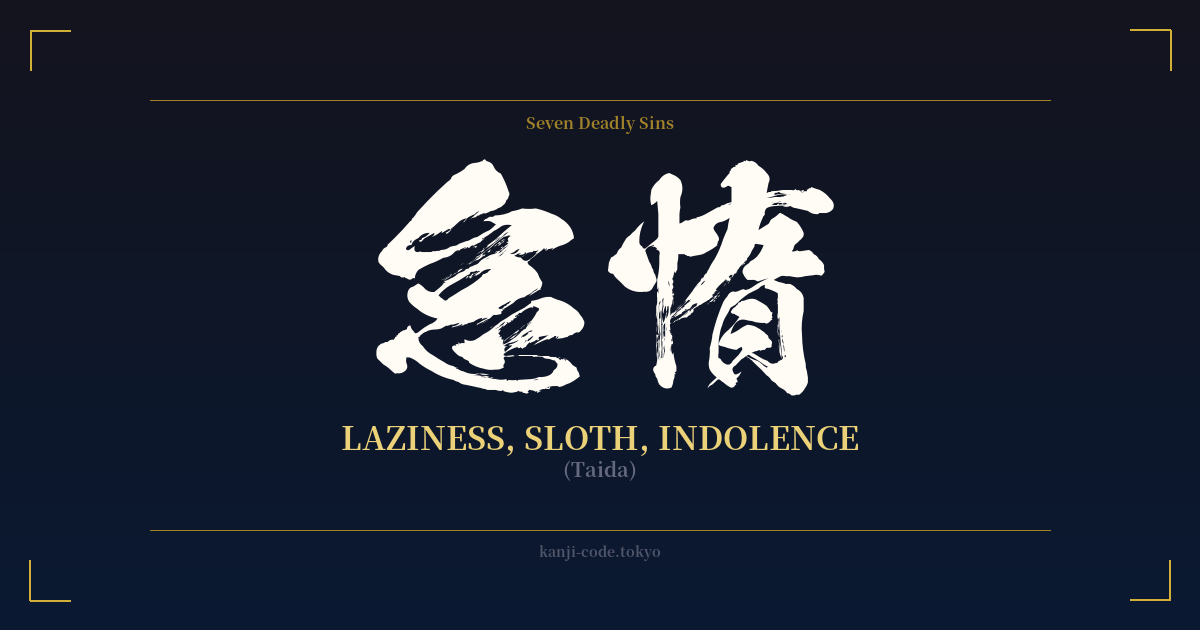
✍️ 怠惰 (Taida) — Cultural Context
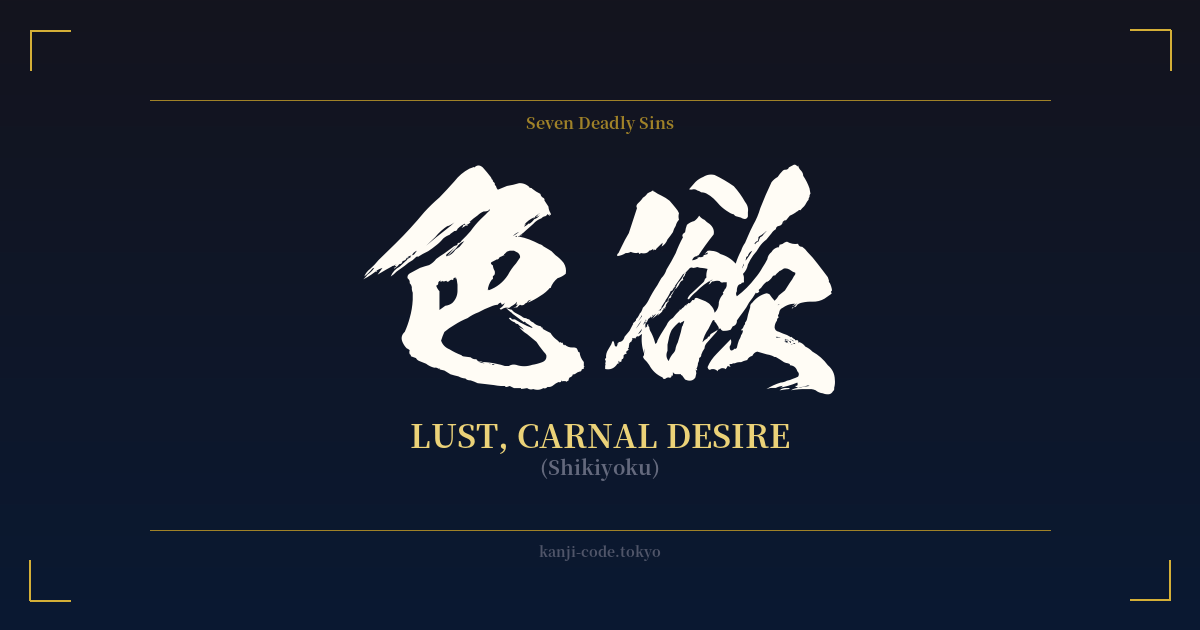
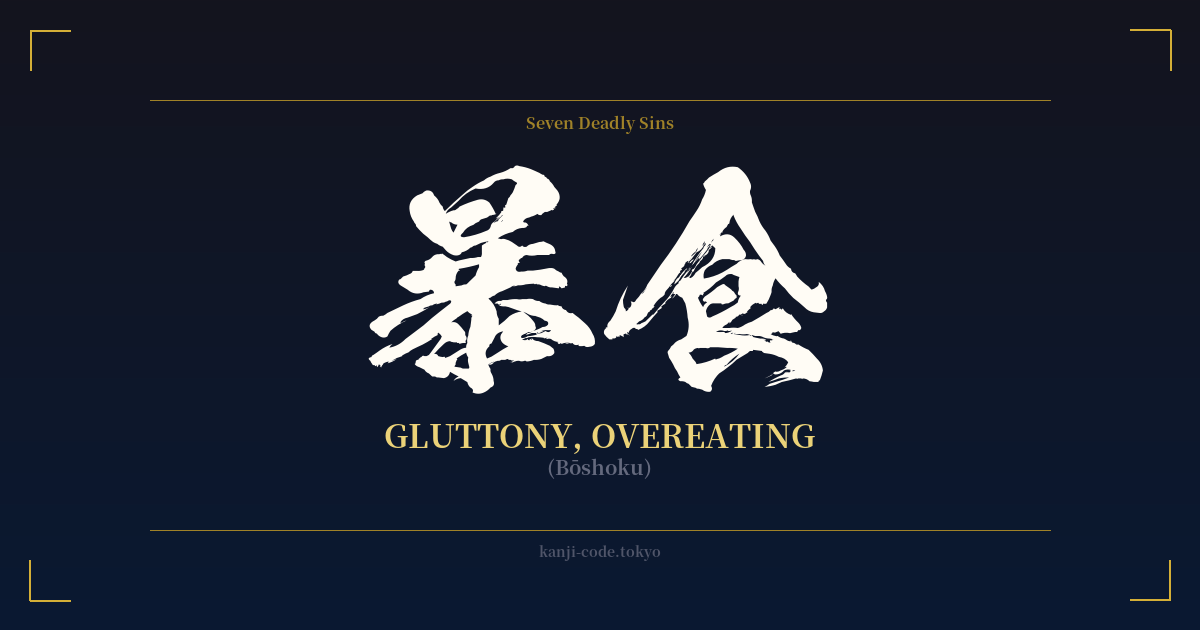
怠惰 (Taida) is the Japanese word for laziness, indolence, and most notably, sloth. While it can describe simple idleness, its weight is far more profound, directly corresponding to the concept of Sloth in the Seven Deadly Sins, known in Japan as 七つの大罪 (Nanatsu no Taizai).
This connection to Christian theology, while foreign in origin, has been thoroughly absorbed into Japanese pop culture. It's a staple concept in countless anime, manga, and video games, where characters personify each sin. In this context, 怠惰 is not just about avoiding chores; it represents a spiritual or existential apathy, a refusal to utilize one's gifts or engage with the world, which can be seen as a sin against one's own potential.
In Japanese society, which traditionally places an immense value on diligence (勤勉, kinben) and perseverance (我慢, gaman), laziness is viewed with particular disdain. The societal pressure to be productive is intense, and the concept of 怠惰 stands in stark opposition to these core cultural values. It represents a failure to contribute to the group and a lack of personal discipline.
However, this is what makes the word so potent. Both kanji characters in the word, 怠 (tai) and 惰 (da), contain the radical for 'heart' (心 or a variant, 忄). This is crucial. It tells us that, in the Japanese understanding, laziness is not merely a physical condition but a malady of the heart and mind. It's a conscious or subconscious choice of the spirit to remain inert.
In a modern context, some might see 怠惰 with a sense of irony or rebellion. In a world suffering from burnout and the pressures of "hustle culture," embracing a concept like sloth could be a statement against relentless productivity. It could symbolize a conscious choice to prioritize rest, mental health, and personal peace over societal expectations of constant work. This interpretation, however, is a subversion of its primary, deeply negative meaning.
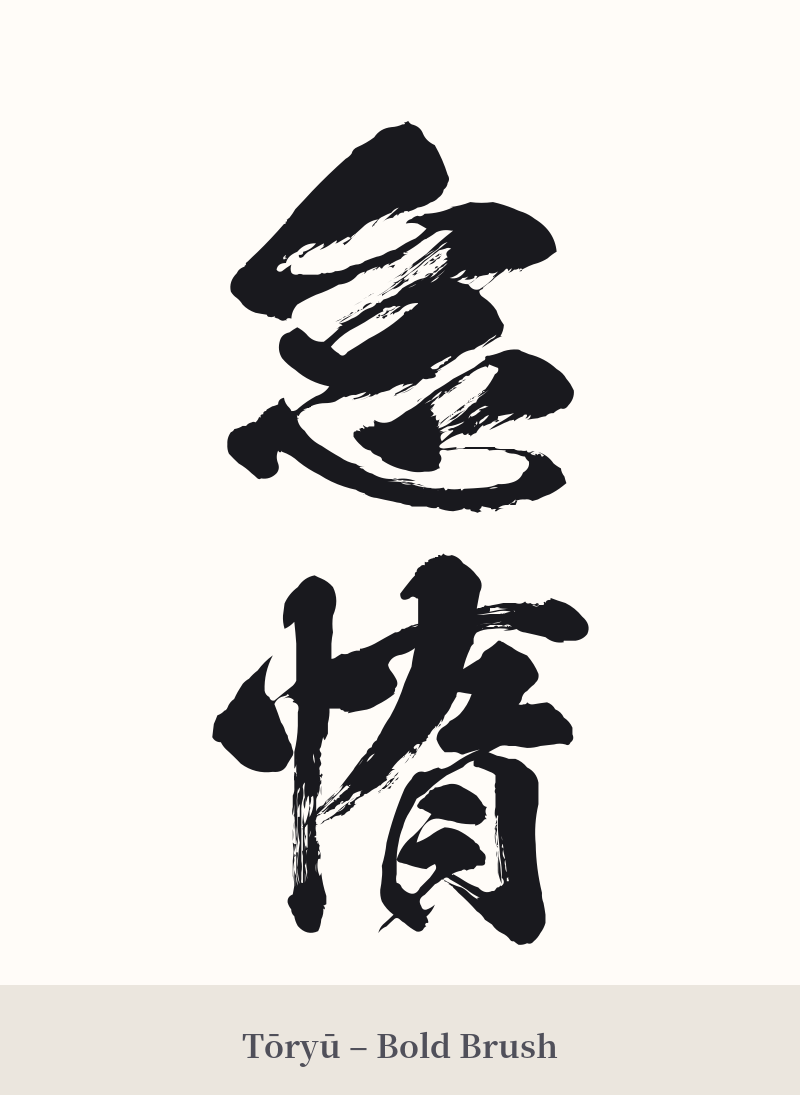
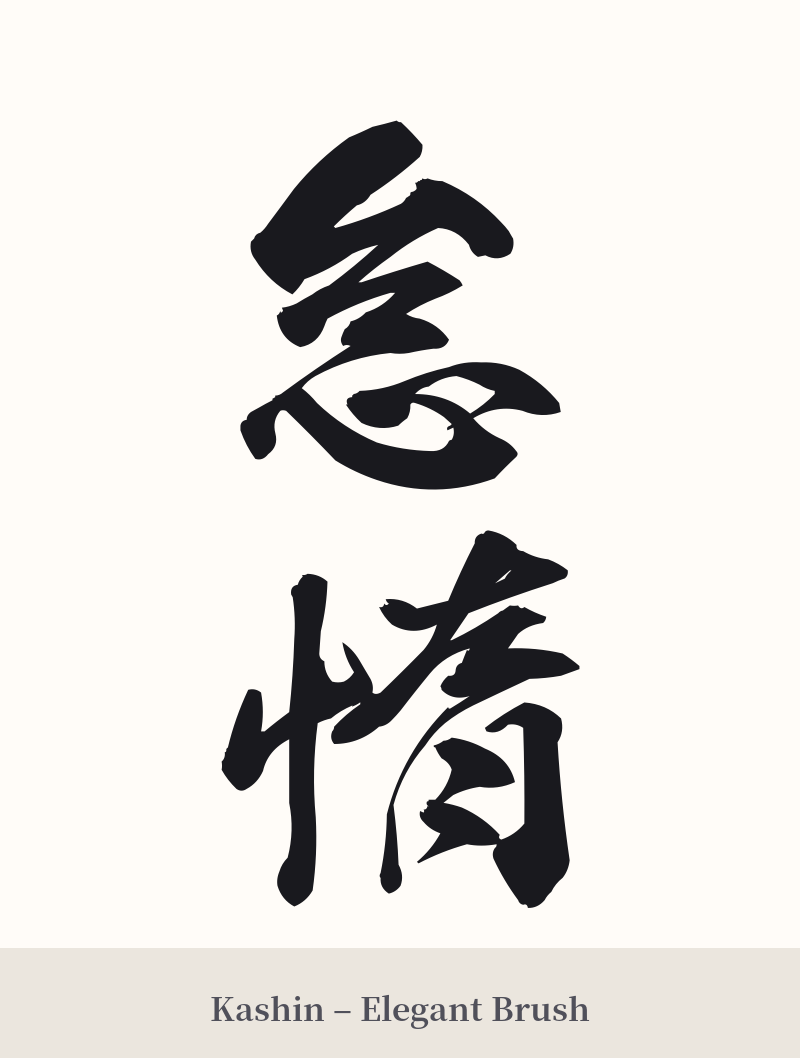
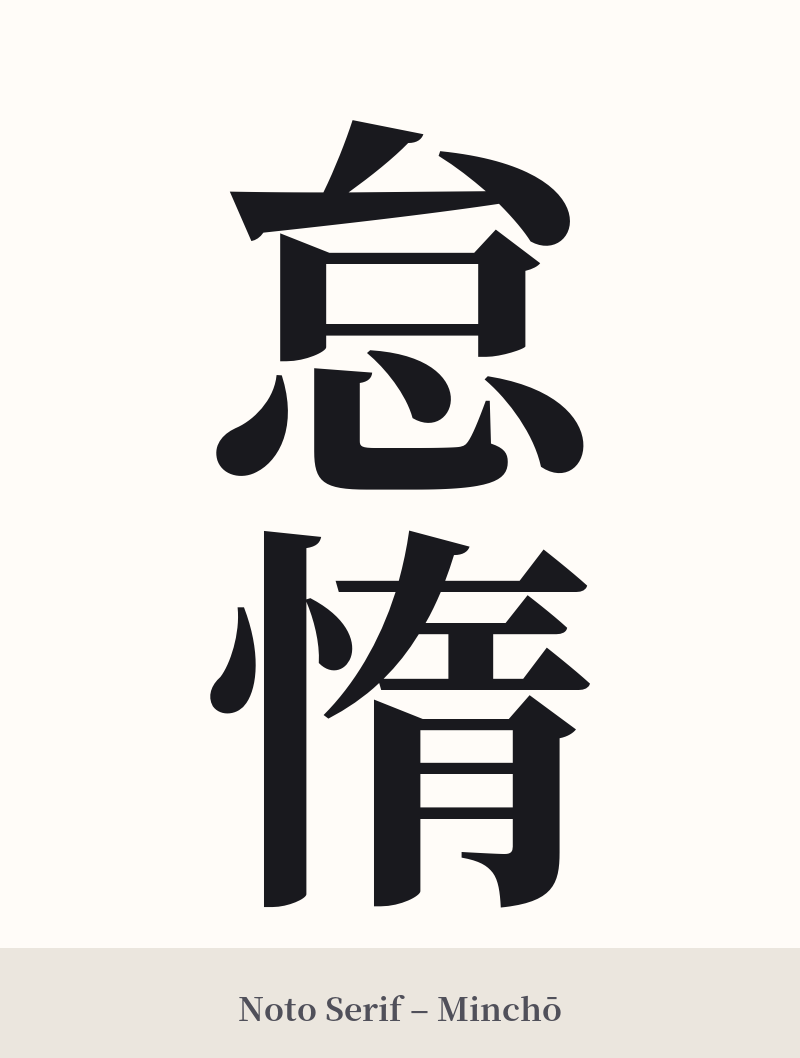
🖌️ Font Styles for 怠惰
The same kanji can look dramatically different depending on the calligraphy style. Choose a font that matches the mood you want for your tattoo or design.
🎨 Tattoo Suitability
📐 Tattoo Design Guide
A tattoo of 怠惰 is a bold, introspective statement that works best with thoughtful design choices.
– Placement: A vertical orientation is highly recommended, evoking traditional Japanese scrolls. The forearm, calf, or along the spine are excellent placements that provide a clean, linear canvas.
– Font Style: The font can dramatically alter the message. A weak, scratchy, or 'lazy' brushstroke style can be ironic, literally embodying the meaning. Conversely, a strong, heavy, block-style font like a Kaisho script can represent the oppressive 'weight' of sloth. A flowing, semi-cursive Gyosho script offers a balance of tradition and artistry.
– Visual Tips: Consider pairing the kanji with symbolic imagery. A sleeping animal (like a cat or a sloth), a melting clock reminiscent of Dali to symbolize the indifference to time, or even wilting flowers could amplify the theme. Placing it in contrast with a symbol of energy, like a flame, could create a powerful visual about internal conflict.
Comments