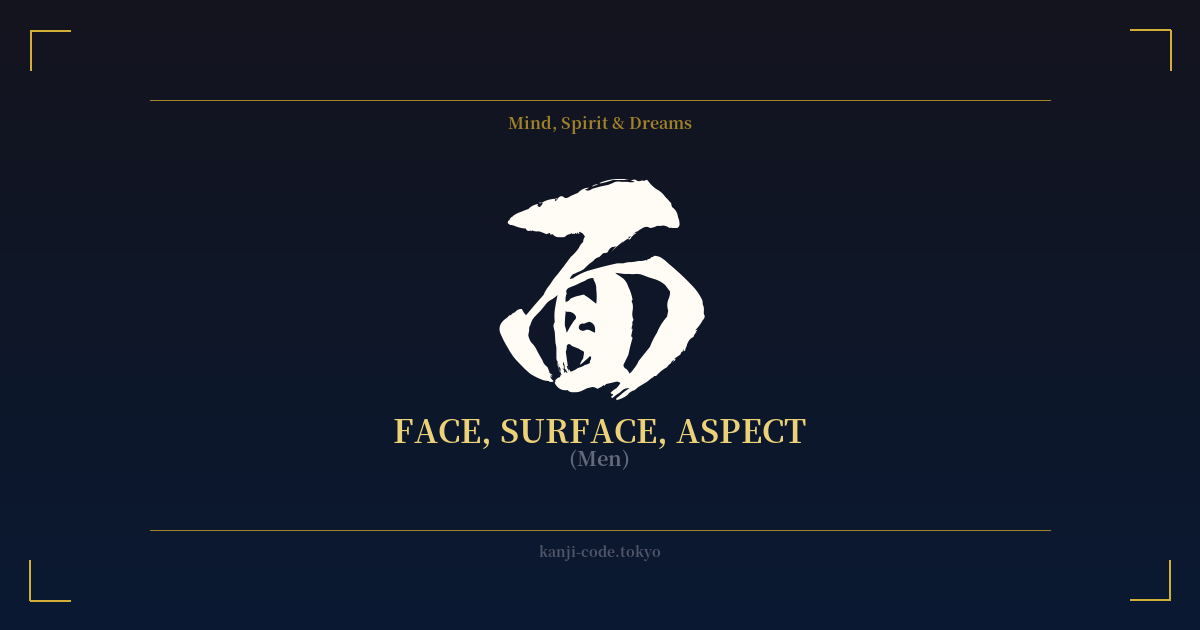
✍️ 面 (Men) — Cultural Context
The kanji 面 (men) is a fascinating character that offers a window into the Japanese psyche. Its origins are believed to be a pictograph of a human face, perhaps with an exaggerated eye, which helps explain its most direct meaning. However, like many kanji, its true richness lies in the layers of abstraction built upon this simple foundation.
In its most literal sense, 面 refers to a face or a mask. This is most famously seen in the traditional arts of Noh (能) and Kabuki (歌舞伎). The masks, called お面 (o-men), are not mere props; they are powerful conduits for character and emotion. A single mask can convey a range of feelings depending on the angle at which the actor holds their head, playing with light and shadow. The kanji 面, therefore, is intrinsically linked to performance, transformation, and the idea that what is presented on the surface can be a deliberate and artful construction.
This leads to its more profound philosophical meaning: the concept of surface or aspect. 面 is used in words like 表面 (hyōmen), meaning 'surface,' and 側面 (sokumen), meaning 'side' or 'flank.' It speaks to the idea that everything has multiple facets, and what we see is often just one perspective. This is a core concept in Japanese aesthetics and communication, where indirectness and subtlety are often valued.
Perhaps the most crucial cultural concept tied to 面 is that of 面子 (mentsu), which translates to 'face' in the sense of honor, reputation, and social dignity. To 'lose face' (面子を失う, mentsu o ushinau) is a grave social misstep, while to 'save face' (面子を保つ, mentsu o tamotsu) is paramount in maintaining harmony. This doesn't just apply to individuals but to families, companies, and even the nation. The kanji 面, in this context, becomes a symbol of one's standing and integrity within a community.
Even in everyday language, 面 reveals its versatility. The common word for 'interesting,' 面白い (omoshiroi), is thought to have originated from meaning 'face-whitening' or 'in front of one's eyes,' suggesting something captivating that brightens one's expression. Conversely, 真面目 (majime), meaning 'serious' or 'diligent,' combines 'true' with 'face,' implying an earnest and sincere demeanor. Through these uses, 面 shows itself to be far more than just a physical feature; it is a symbol of identity, honor, and the complex interplay between our inner selves and our public personas.
🖌️ Font Styles for 面
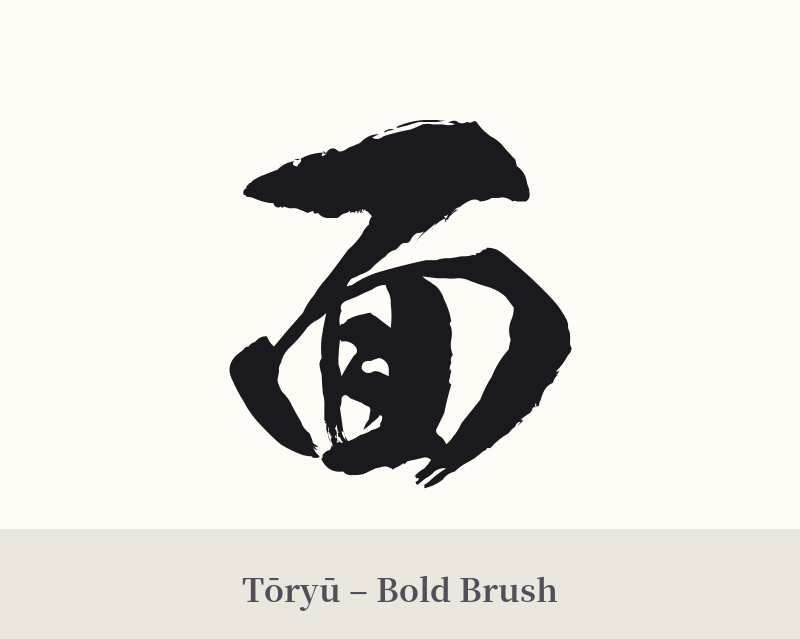
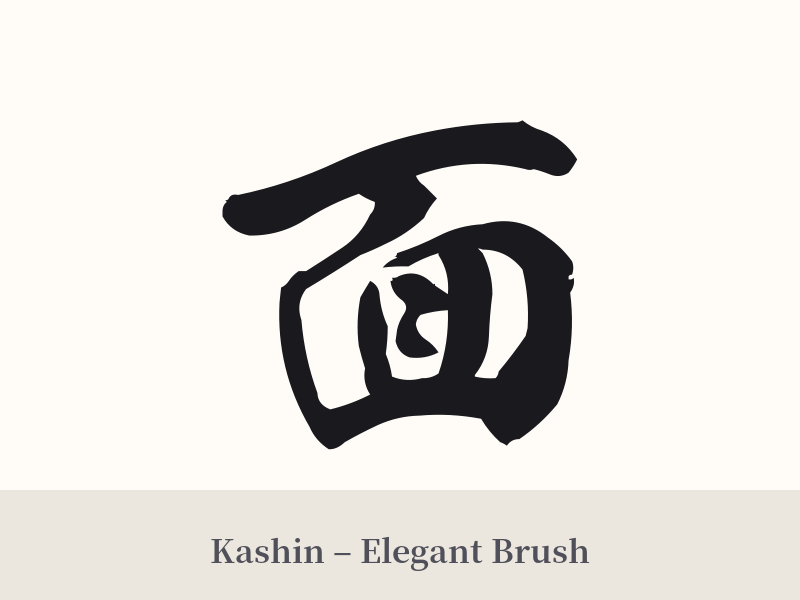
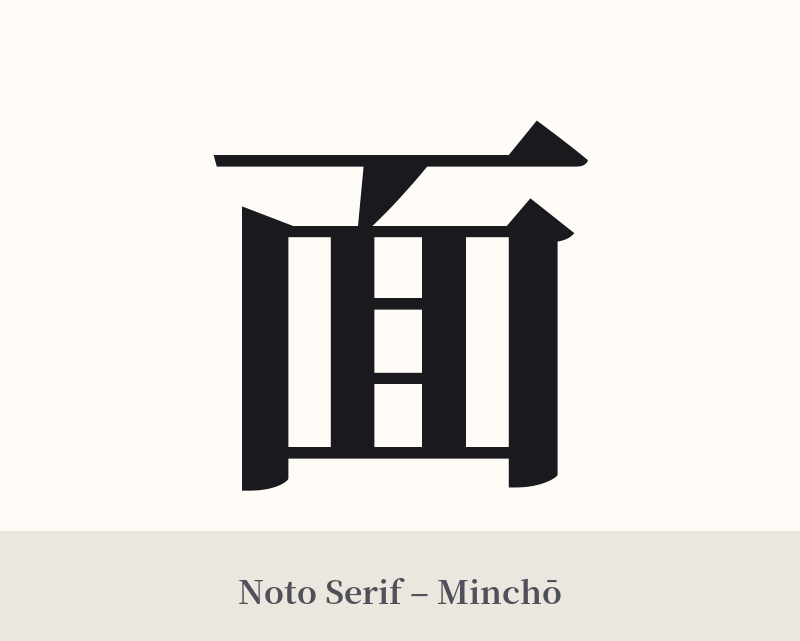
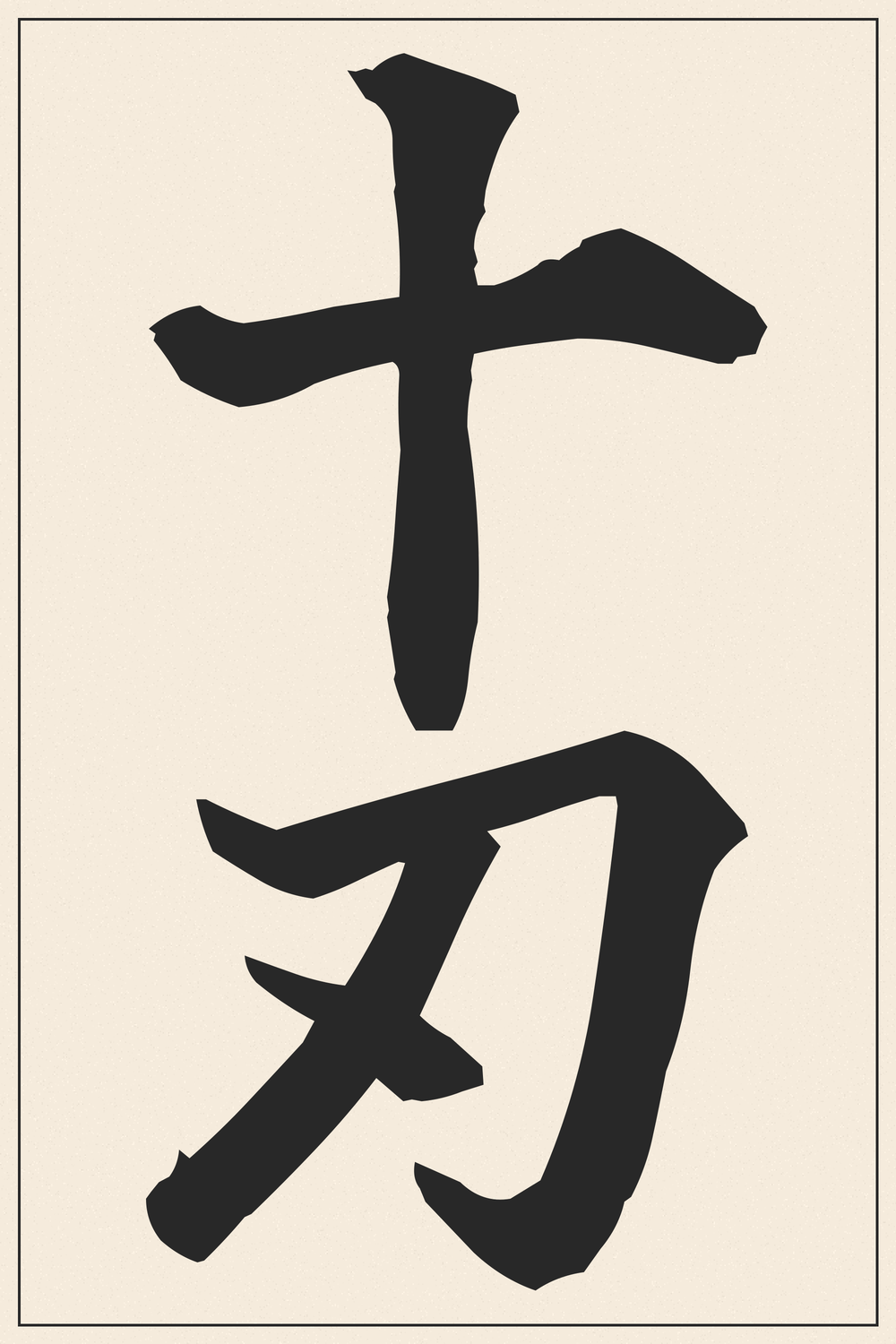
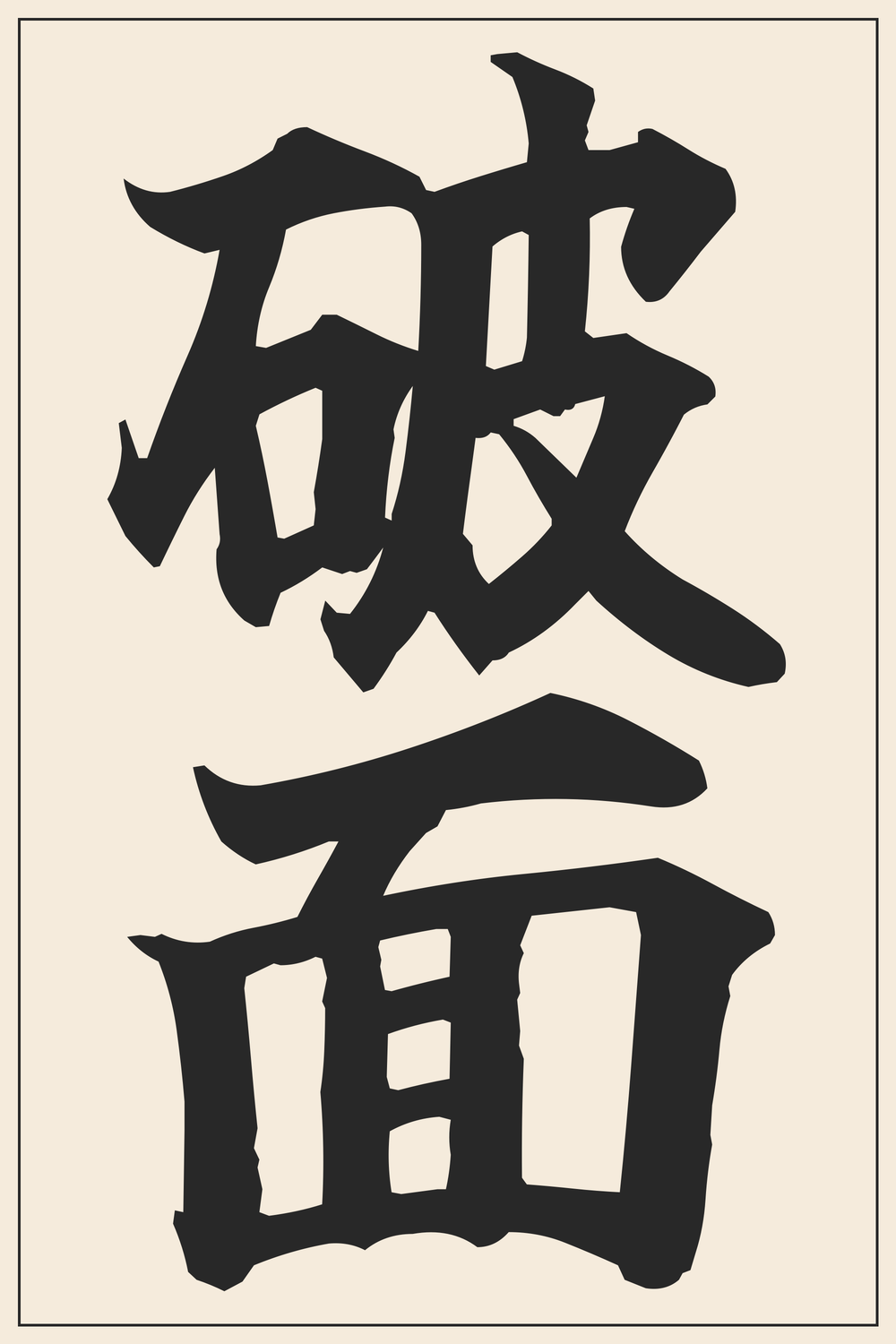
The same kanji can look dramatically different depending on the calligraphy style. Choose a font that matches the mood you want for your tattoo or design.
🎨 Tattoo Suitability
📐 Tattoo Design Guide
The kanji 面 offers unique opportunities for a thoughtful tattoo design, especially when its meaning of 'surface' and 'mask' is embraced.
– Placement: Consider flat, broad areas of the body that act as a 'surface,' such as the forearm, calf, back, or chest. Placing it on the back of the neck could symbolize a hidden aspect or persona.
– Font Styles: A bold, traditional Kaisho (block) script emphasizes the character's architectural structure. For a more fluid and artistic feel, a Gyosho (semi-cursive) style could work well, especially if the design has a more expressive theme.
– Visual Tips: To avoid ambiguity, this kanji benefits greatly from being paired with other visual elements. Consider integrating 面 into a design of a traditional Noh or Hannya mask. You could have the kanji tattooed next to a mask, or even have the character itself appear to be cracking or peeling away to reveal something underneath. This visually represents the theme of surface versus what lies beneath.
Comments