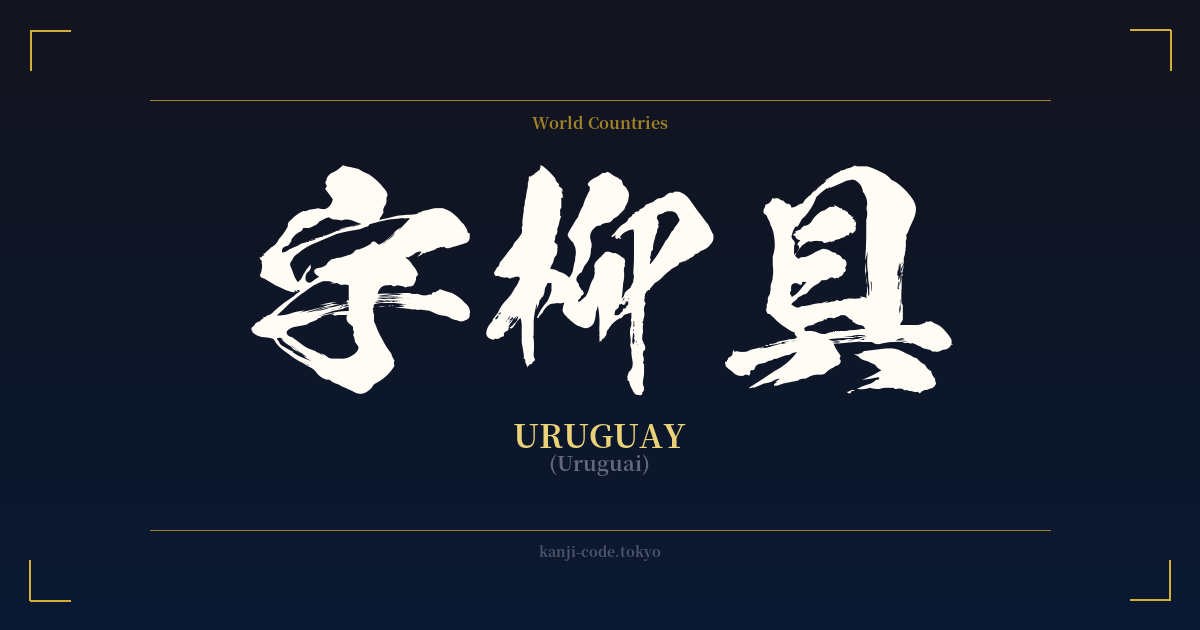
✍️ 宇柳具 (Uruguai) — Contexto cultural
El término 宇柳具 ofrece una perspectiva fascinante de un período específico de la historia lingüística japonesa. Representa un ejemplo de 'ateji' (当て字), una práctica en la que los caracteres kanji se utilizan por su valor fonético para transcribir palabras extranjeras, sin tener en cuenta su significado original. Esto fue particularmente común durante la Restauración Meiji (finales del siglo XIX), cuando Japón abrió sus fronteras y se apresuró a incorporar una gran cantidad de nuevas palabras y conceptos de Occidente.
En este caso, se seleccionaron los caracteres 宇 (u), 柳 (ru, según su lectura en chino) y 具 (gu) para imitar el sonido de 'Uruguay'. Sin embargo, el significado literal de estos caracteres —'alero/cielo', 'sauce' y 'herramienta'— no guarda ninguna relación con la nación sudamericana. Al leerse literalmente, la combinación carece de sentido, lo que evidencia su propósito puramente fonético.
Hoy en día, el uso de ateji para los nombres de países está prácticamente en desuso. El japonés moderno prefiere mayoritariamente la escritura katakana para los préstamos extranjeros, lo que convierte a 'ウルグアイ' (Uruguai) en la forma estándar y universalmente aceptada de escribir el nombre del país. La forma kanji 宇柳具 es ahora una curiosidad histórica, algo que se puede encontrar en documentos o diccionarios antiguos, pero nunca en uso contemporáneo. Es una reliquia de una época anterior a la estandarización completa del katakana.
Esta distinción es crucial para cualquiera que considere este carácter para un tatuaje. Si bien algunos ateji, como 倶楽部 (kurabu, 'mazo'), adquirieron vida propia, 宇柳具 nunca se incorporó al lenguaje común. Su existencia es una prueba de la flexibilidad del sistema de escritura japonés, pero también de su potencial para generar ambigüedad. Se erige como un artefacto lingüístico, no como una palabra viva, que representa una aproximación fonética más que un símbolo significativo de la nación que nombra.
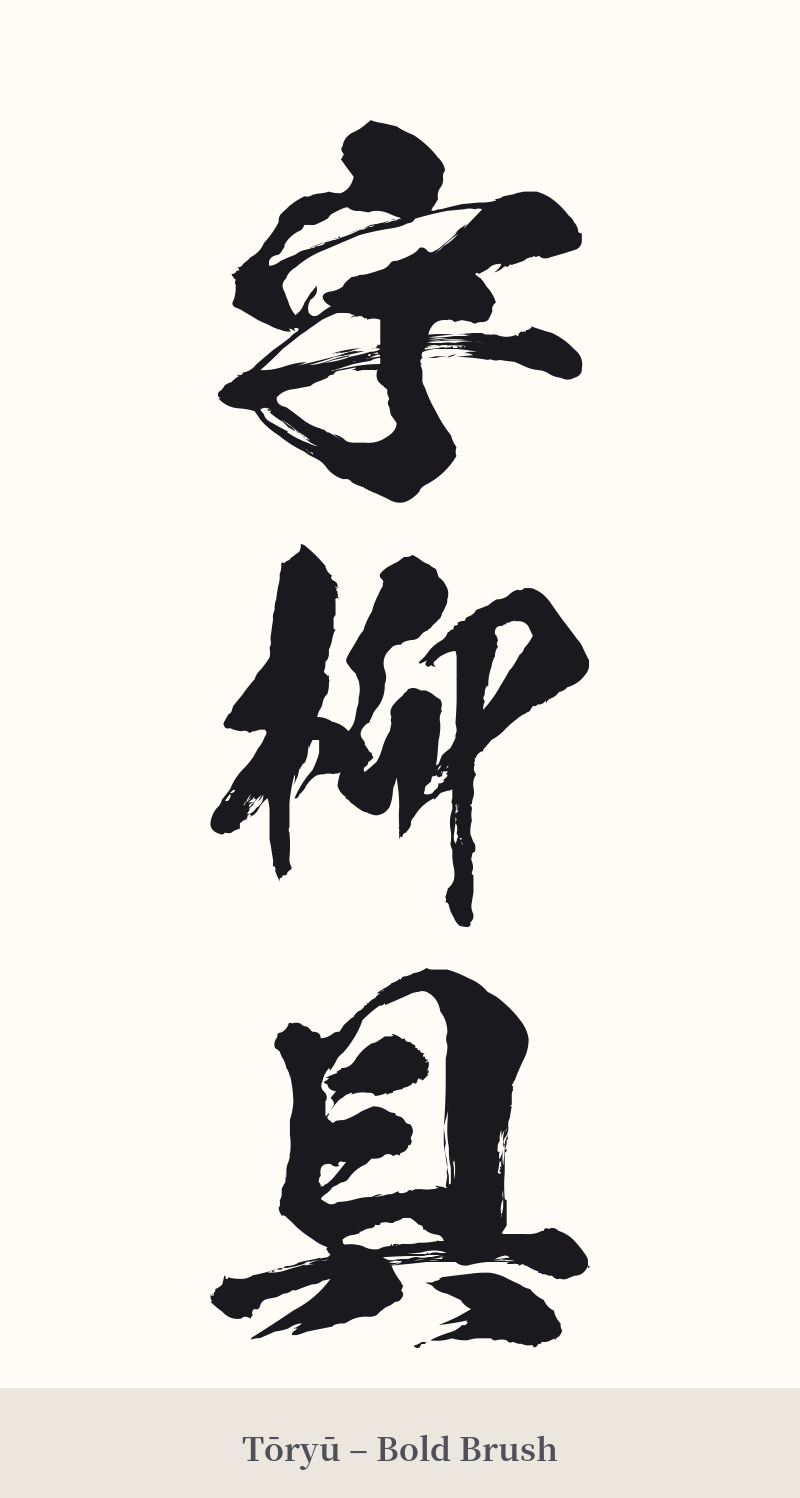
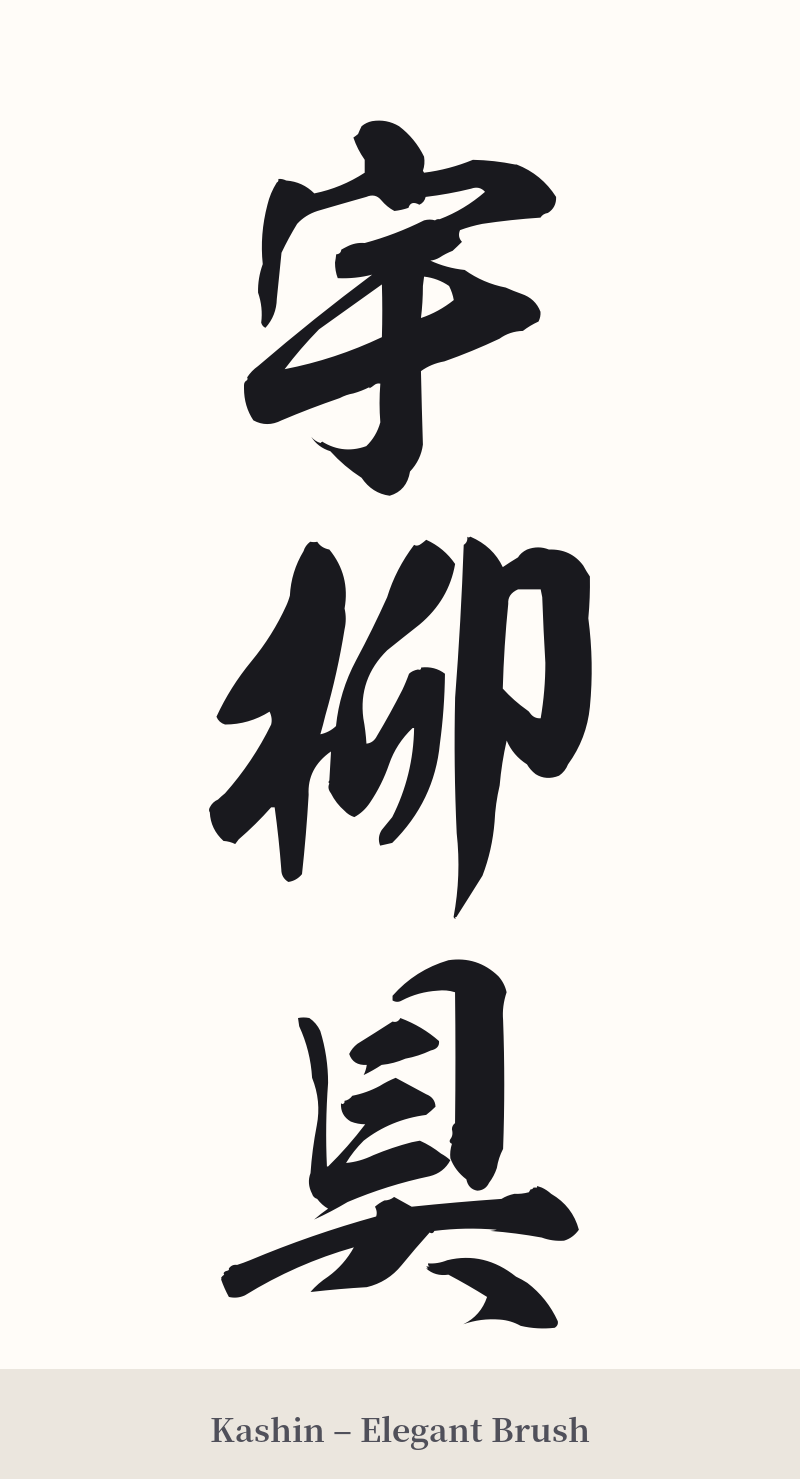
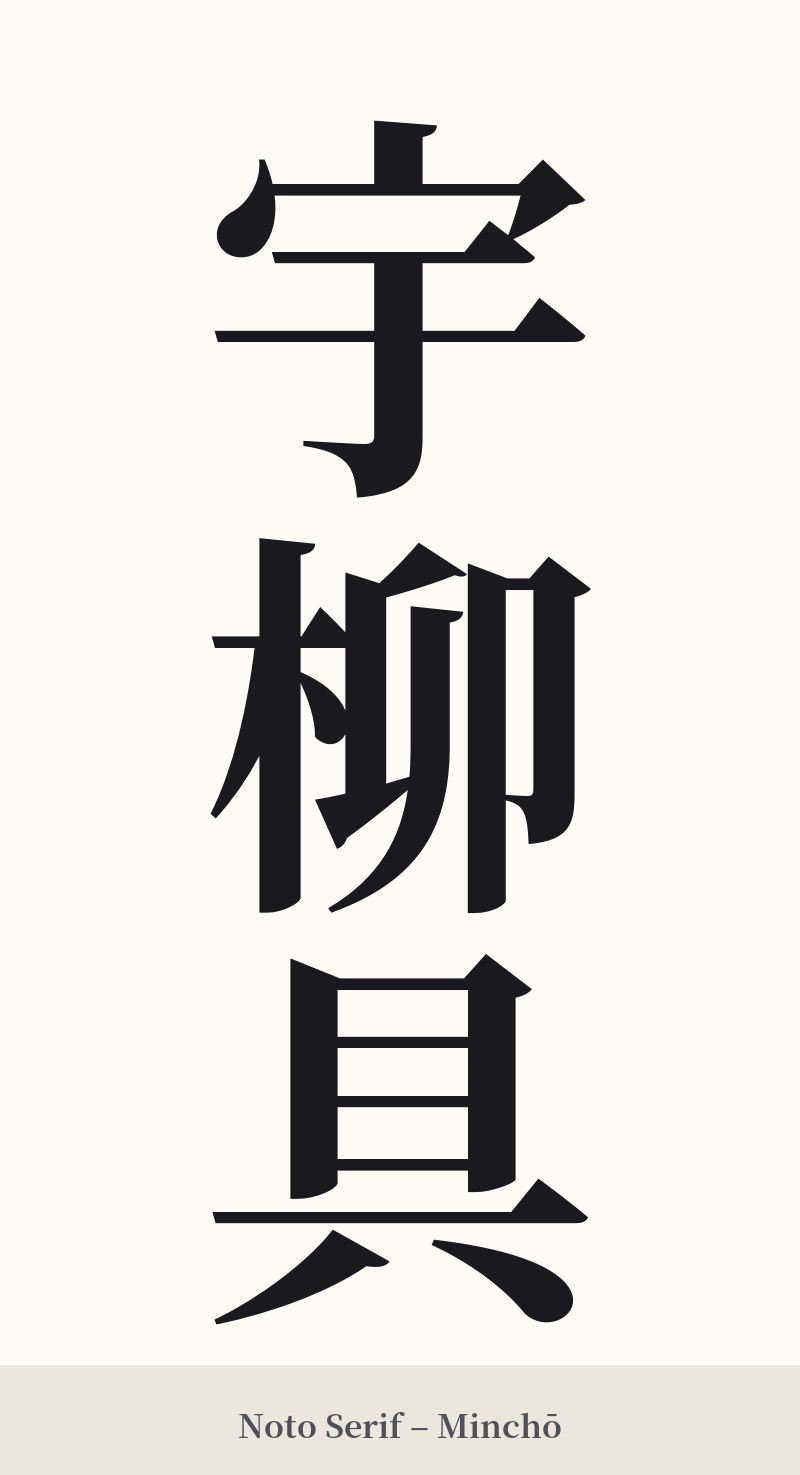
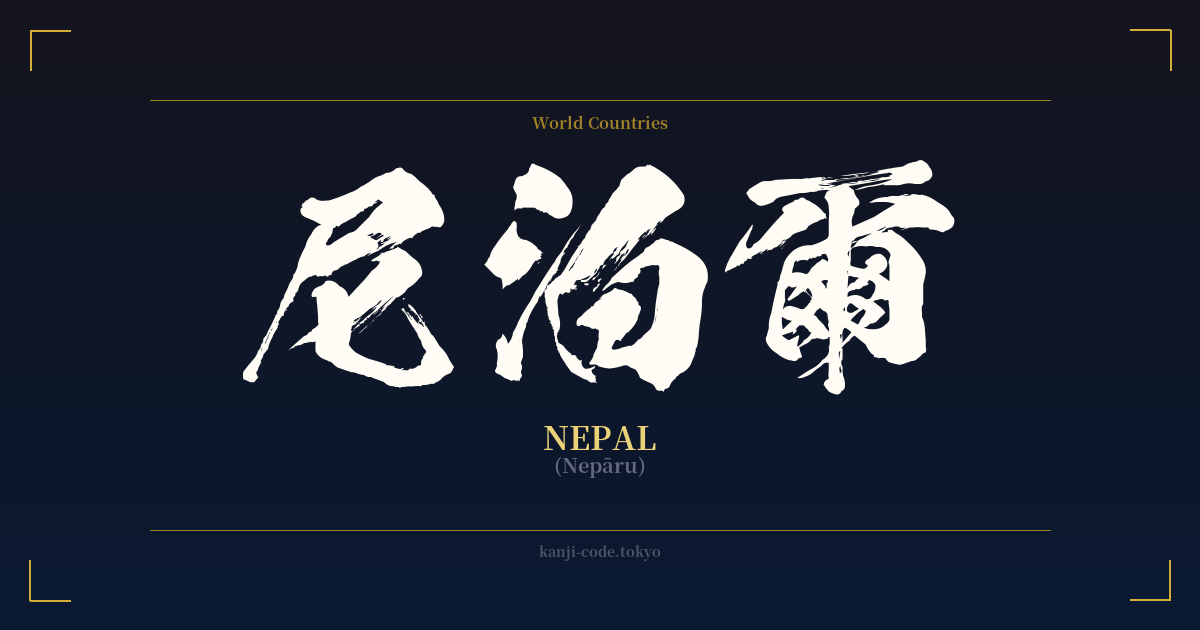
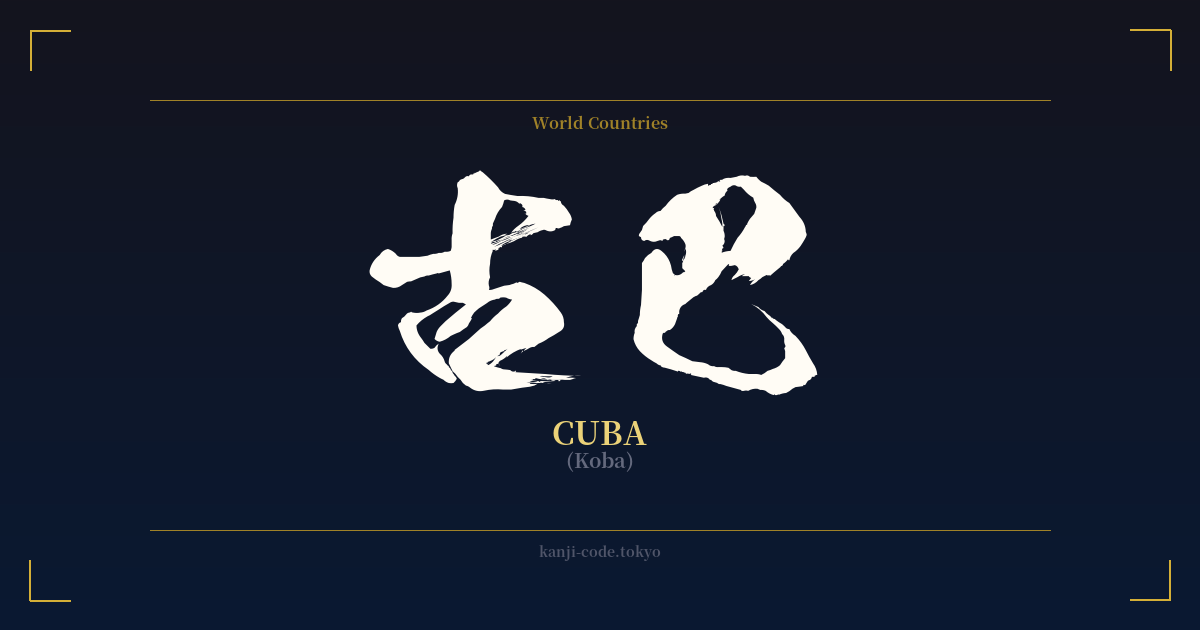
🖌️ Estilos de fuente para 宇柳具
Los mismos caracteres kanji pueden verse muy diferentes según el estilo de caligrafía. Elige una fuente que se ajuste al ambiente que deseas para tu tatuaje o diseño.
🎨 Idoneidad para tatuajes
📐 Guía de diseño de tatuajes
Dado que este kanji no se recomienda para tatuajes, cualquier elección de diseño debe hacerse con extrema precaución. Si aun así insiste en usarlo por motivos personales, aquí tiene algunas sugerencias para minimizar la posibilidad de confusión.
– Ubicación y orientación: La orientación vertical es tradicional para los caracteres compuestos de varios kanji y sería la disposición más estética para 宇柳具. Colocarlo en el antebrazo o en la pantorrilla sería una opción estándar.
– Estilo de fuente: Una tipografía fluida y semicursiva como Gyosho (行書) puede ayudar a integrar los caracteres para lograr una composición más artística. Esto a veces suaviza la torpeza de una combinación puramente fonética. Evite las fuentes rígidas y toscas como Kaisho (楷書), que podrían resaltar los significados individuales y no relacionados de los caracteres.
– Añadir elementos contextuales: Dado que los kanji por sí solos no transmiten la palabra 'Uruguay', considere incorporar otras imágenes que sí lo hagan. Combinar los kanji con un diseño del Sol de Mayo de la bandera uruguaya, un capibara o la flor de ceibo podría proporcionar el contexto necesario que les falta a los caracteres por sí solos.
Comentarios