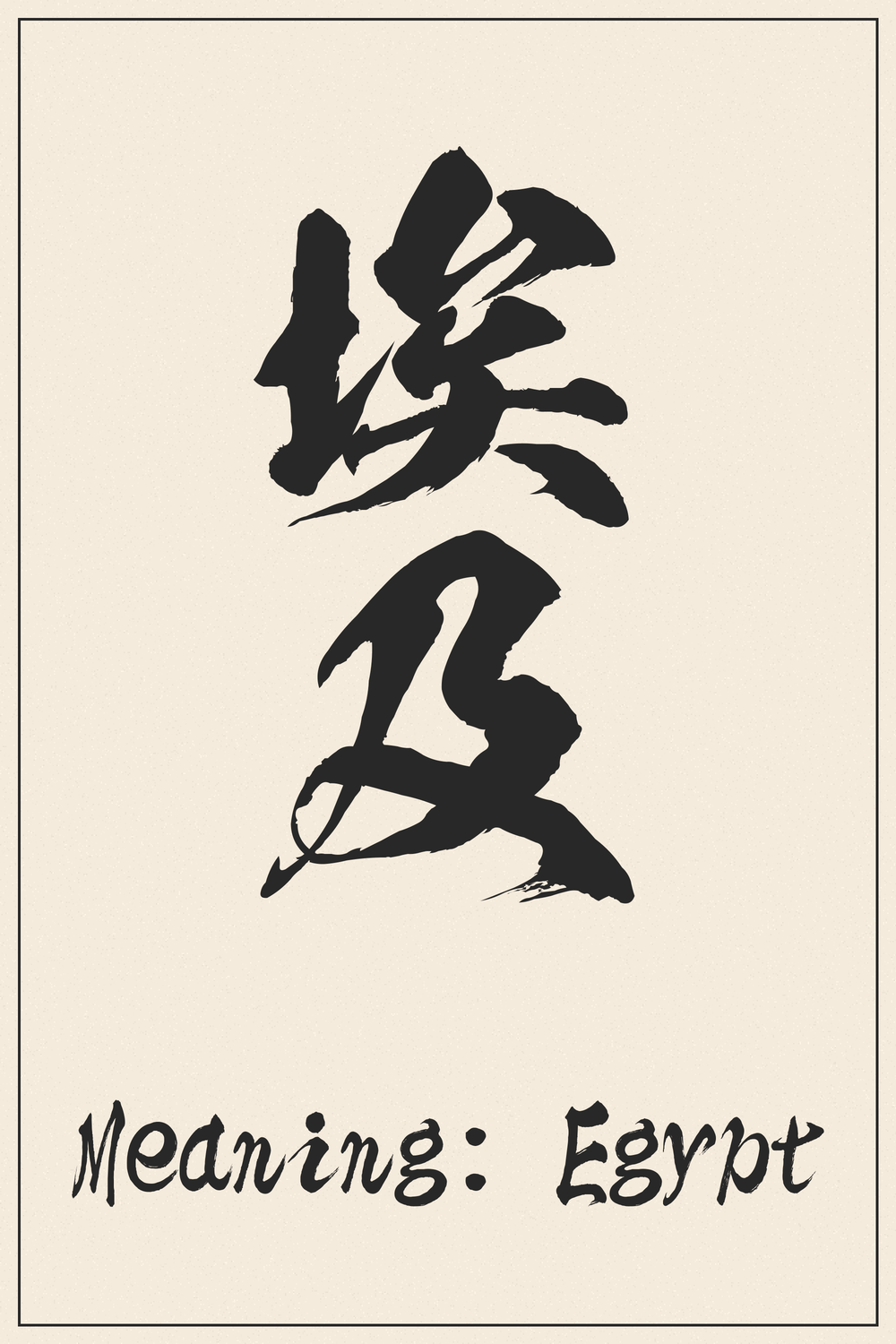
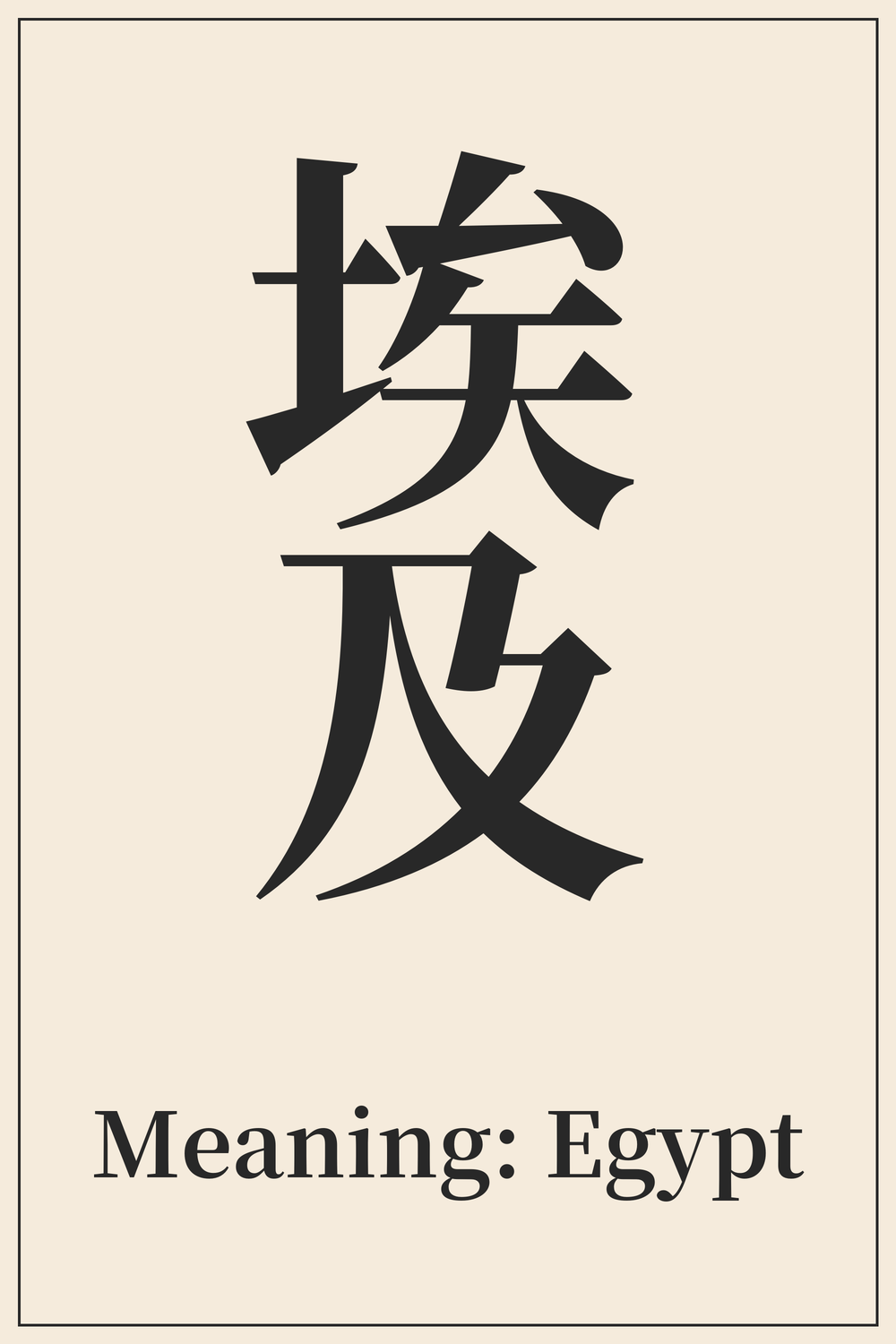
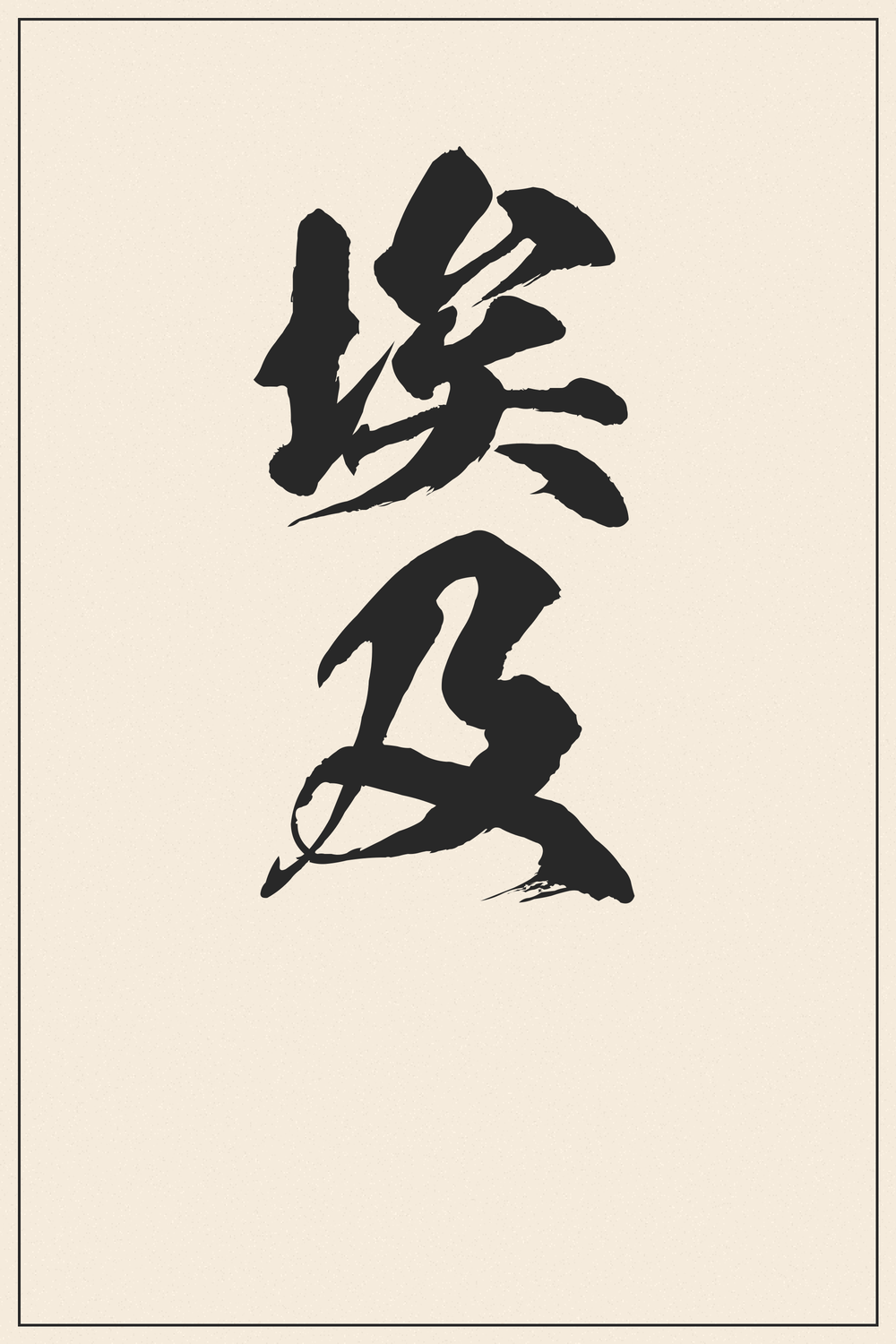
The Kanji for ‘Egypt’, 埃及 (Ejiputo), offers a fascinating glimpse into how Japanese adopts foreign names using traditional characters.
This phonetic representation highlights a unique cultural bridge between ancient and modern nomenclature.
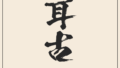
The atmosphere of a Kanji character changes dramatically depending on the font style. A character that looks elegant in a brush style might look bold and modern in a different font.
Recommendation: Since a tattoo is permanent, we strongly recommend comparing various font styles beyond what is shown here. Use our designs as a trusted reference for the correct structure, but feel free to explore different artistic variations to find the perfect match for your vision.
The Deep Meaning Behind 埃及
The Kanji combination 埃及 (Ejiputo) is a prime example of *ateji* (当て字), where characters are chosen purely for their phonetic values to represent a foreign word, rather than their semantic meanings.
In this case, ‘E-ji-pu-to’ (Egypt) is approximated by ‘a-i-kyu-u’, reflecting historical phonetic approximations in Japanese before the widespread use of Katakana for foreign words.
While modern Japanese typically uses Katakana (エジプト) for ‘Egypt’, 埃及 remains a historical and cultural artifact, showcasing the ingenuity of the Japanese language in adapting foreign concepts.
This use of Kanji for country names dates back centuries, providing a fascinating connection to how different cultures have interacted and assimilated foreign terms.
Kanji Breakdown
The characters in 埃及 are selected for their sounds, not their literal meanings in relation to the country ‘Egypt’. Their individual meanings are presented below:
Meaning: ‘Dust’ or ‘dirt’. This character (ai) is used here for its phonetic value, contributing to the ‘e-ji’ sound.
Meaning: ‘To reach’, ‘to extend’, or ‘to come up to’. This character (kyū/o-yobu) is used for its phonetic value, contributing to the ‘pu-to’ sound, or historically ‘k-yū-to’.
Conclusion
While 埃及 directly translates to ‘Egypt’ in context, its literal characters mean ‘dust’ and ‘reach’. This combination is a purely phonetic choice (ateji) and holds no inherent symbolic meaning related to the country itself.
For those considering a tattoo, it’s important to understand that 埃及 is a historical phonetic transcription. While it accurately represents ‘Egypt’ in Japanese, the individual character meanings (‘dust reach’) are not symbolic of Egypt’s rich history or culture. It is an interesting linguistic artifact, but its aesthetic and symbolic suitability for a tattoo would depend on one’s personal appreciation for phonetic adaptations over semantic depth.
Comments