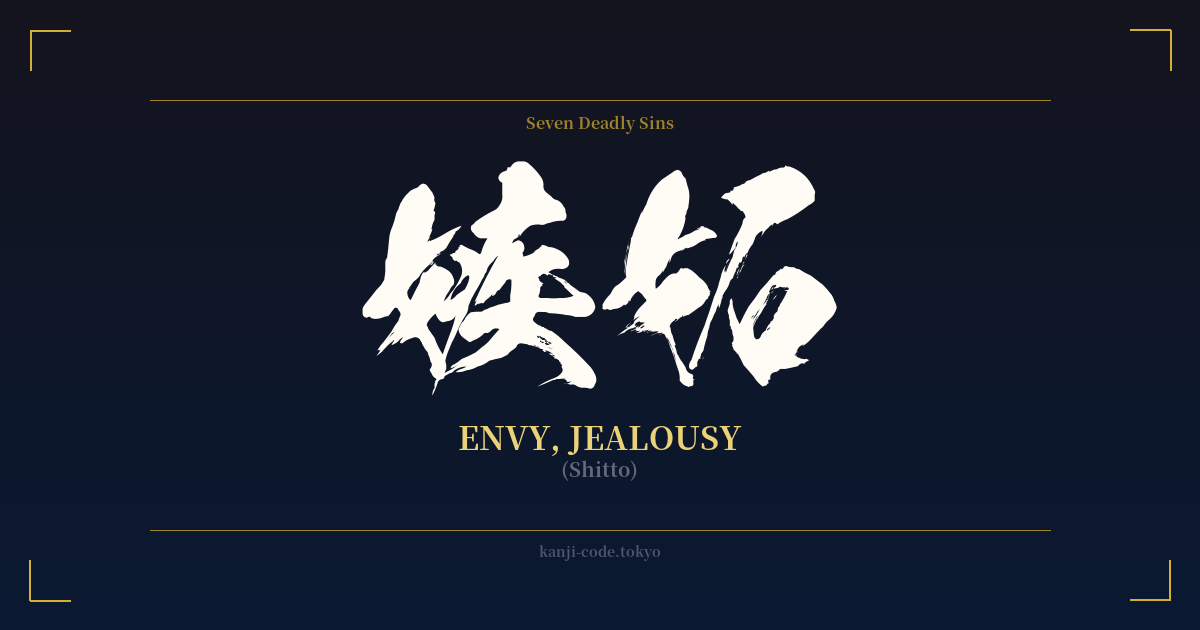
✍️ 嫉妬 (Shitto) — Cultural Context
嫉妬 (Shitto) is the Japanese word for envy and jealousy, a potent and often destructive emotion that resonates universally. Unlike the more casual envy expressed by 羨ましい (urayamashii), which can mean “I wish I had that, how nice for you,” Shitto delves into a much darker territory. It encompasses both the covetous desire for what another possesses (envy) and the bitter fear of losing someone you value to a rival (jealousy). It’s the green-eyed monster, a consuming feeling that can sour relationships and corrode the soul.
In Japanese culture, which places a high value on social harmony (和, wa), the open display of such a disruptive emotion is strongly discouraged. Shitto is a feeling to be managed internally, and its unchecked expression is seen as immature and destructive. This cultural undercurrent gives the word a significant weight; to speak of Shitto is to acknowledge a serious and potentially dangerous state of mind.
Historically and literarily, Shitto is a powerful theme. Perhaps the most famous example comes from Japan's foundational literary work, "The Tale of Genji." The character of Lady Rokujō is a classic archetype of jealousy's devastating power. Consumed by her Shitto towards Genji's other lovers, her vengeful spirit (生霊, ikiryō) is said to have left her body to attack and even kill her rivals. This story has cemented the image of Shitto as not just an internal feeling, but a force that can have tangible, terrifying consequences in the world. This is also visually represented in Noh theater by the Hannya mask, which depicts a woman transformed into a demon by intense jealousy.
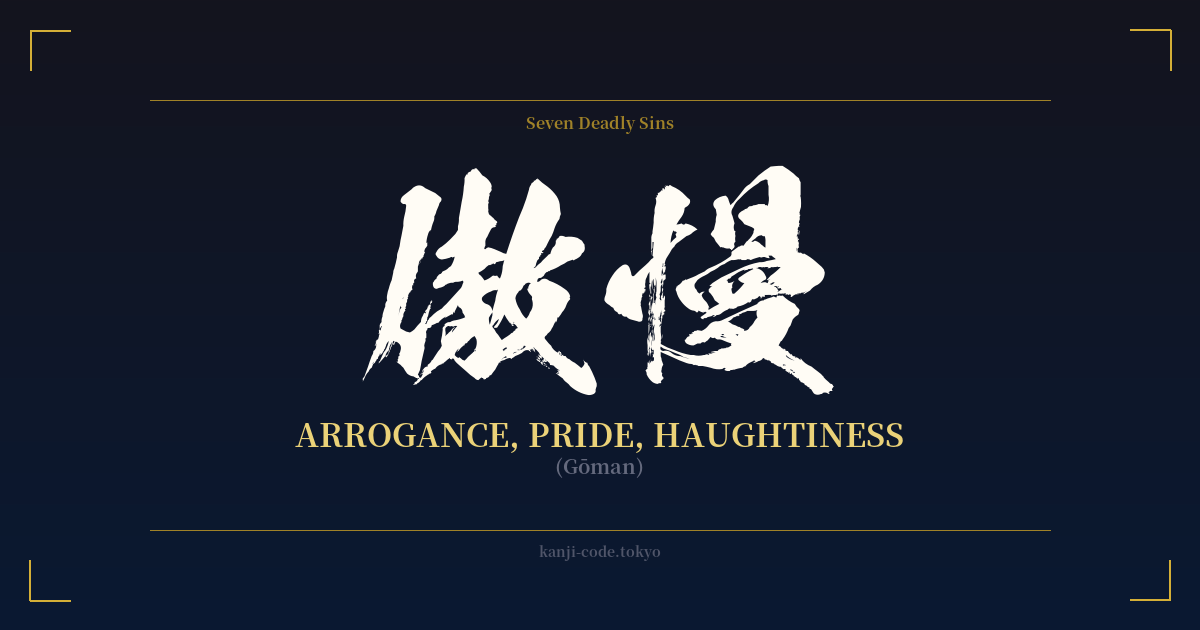
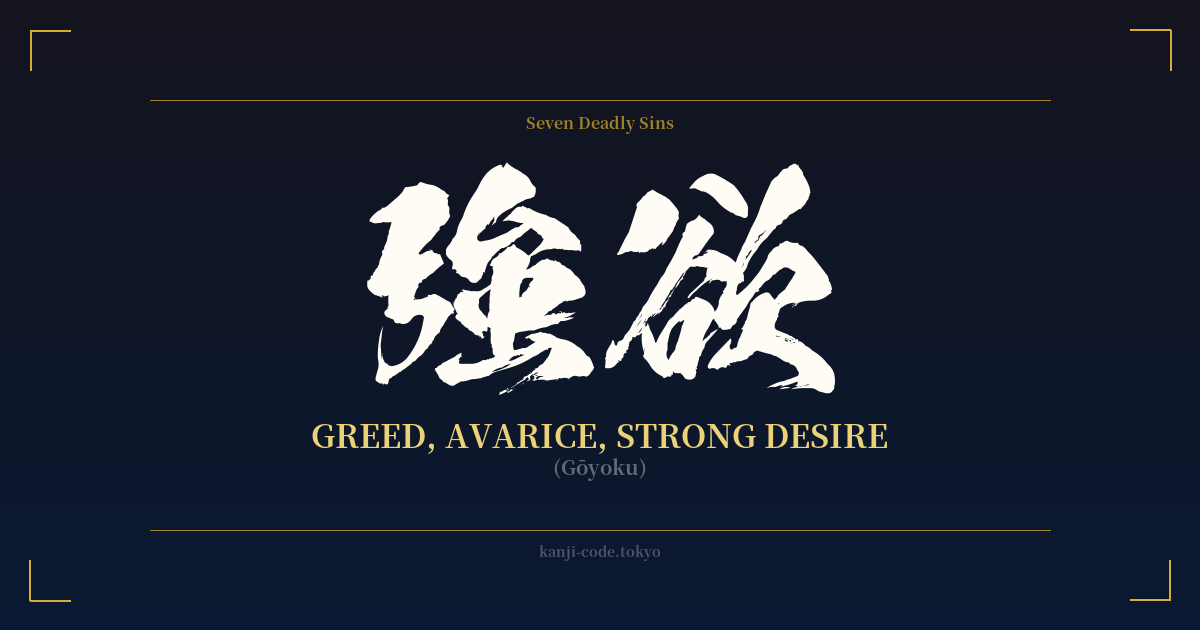
While the concept of the Seven Deadly Sins is Christian in origin, it has been widely adopted and reinterpreted in Japanese popular culture, particularly in manga and anime like "Nanatsu no Taizai." In this context, Envy (嫉妬) is often personified as a character, exploring the depths and motivations behind the emotion. In Buddhism, which has a much deeper historical root in Japan, envy (in Sanskrit, īrṣyā) is considered one of the kleshas—mental defilements that cloud the mind and cause suffering. It is seen as an obstacle on the path to enlightenment that must be understood and overcome.
Etymologically, it is notable that both kanji, 嫉 and 妬, contain the radical 女 (onna), meaning "woman." This reflects an ancient, patriarchal view of the emotion as being particularly characteristic of women. While this is an outdated and misogynistic perspective, its presence in the very structure of the characters is a fascinating, if uncomfortable, look into the history of the language and social norms.
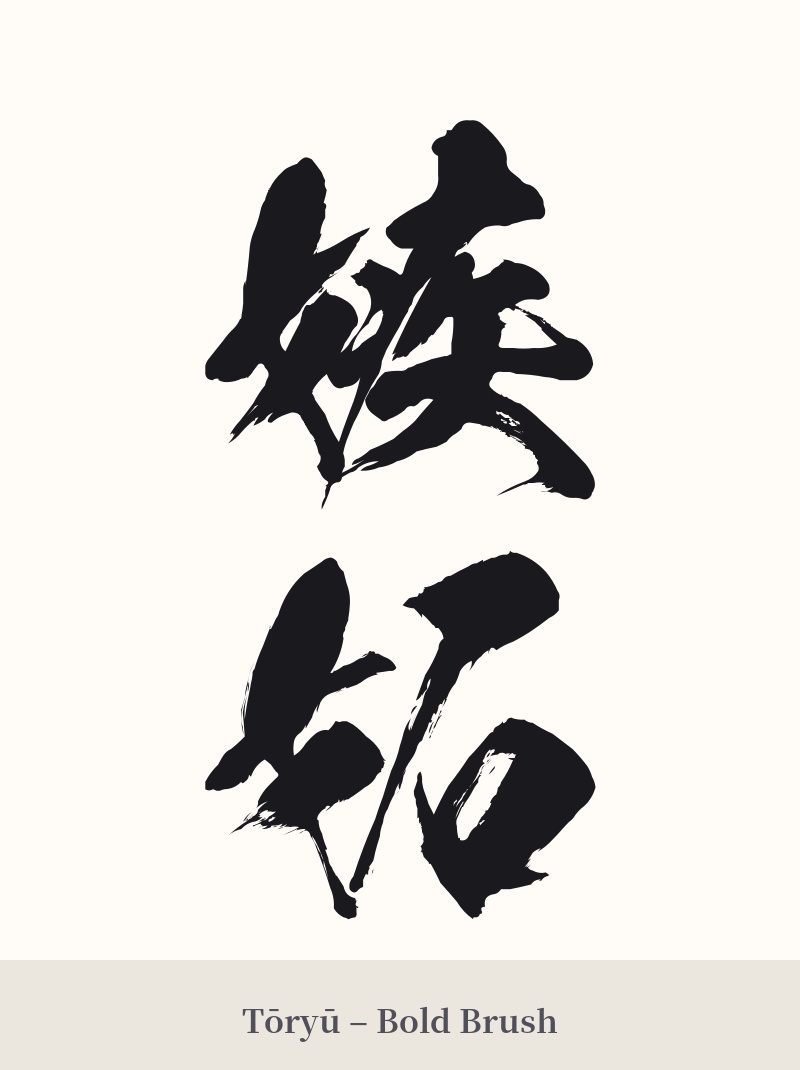
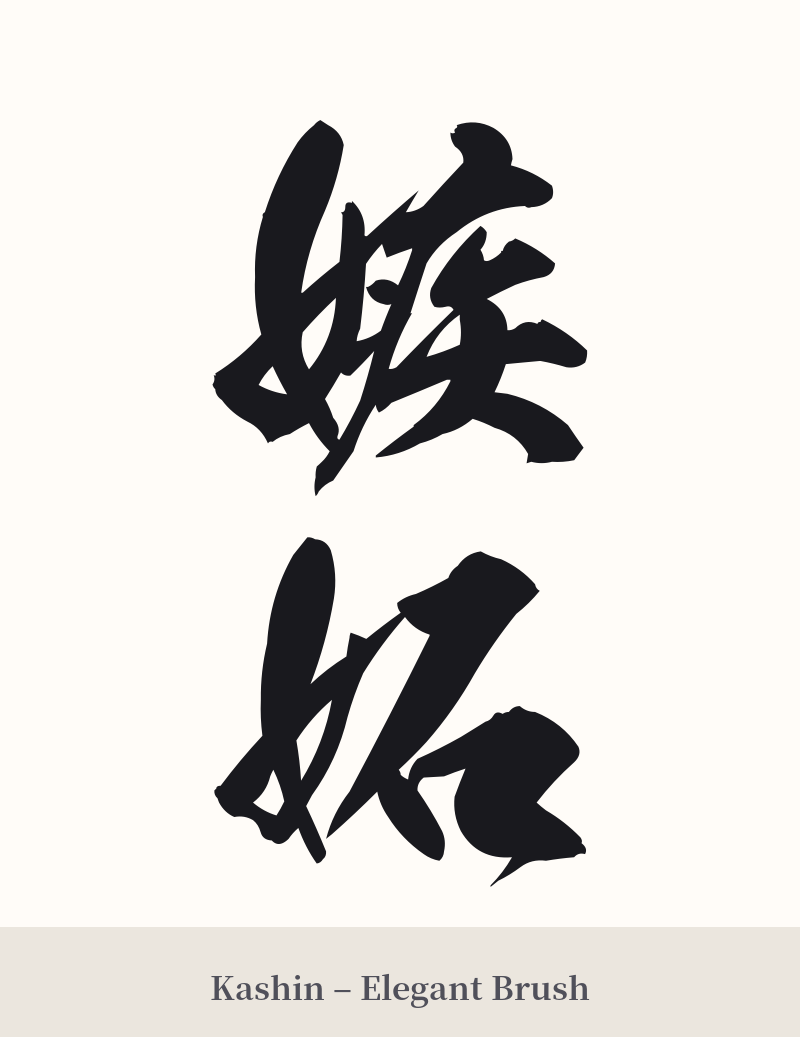
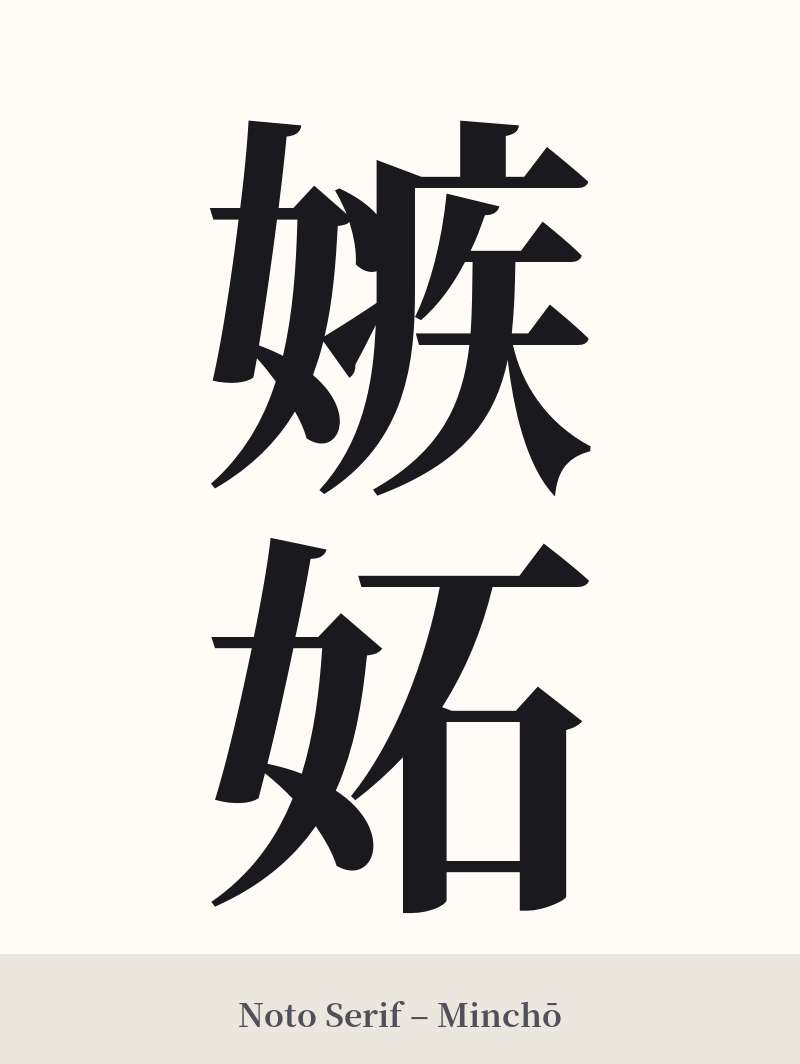
🖌️ Font Styles for 嫉妬
The same kanji can look dramatically different depending on the calligraphy style. Choose a font that matches the mood you want for your tattoo or design.
🎨 Tattoo Suitability
📐 Tattoo Design Guide
A tattoo of 嫉妬 (Shitto) is a bold, dark statement. The design should reflect the intensity and conflict inherent in the word.
– Placement: A vertical placement on the forearm, calf, or along the spine can emphasize the two-character composition. The back or chest provides a larger canvas if you plan to incorporate other visual elements.
– Font Style: Avoid clean, friendly, or blocky fonts. A cursive (草書, sōsho) or semi-cursive (行書, gyōsho) style can capture the chaotic, flowing nature of emotion. A jagged, aggressive brushstroke with intentional ink splatters could also work well to convey turmoil.
– Visual Tips: Consider integrating imagery that amplifies the theme. A classic pairing is with a Hannya mask, the symbol of a jealous demon in Noh theater. Other ideas include coiling snakes, thorny vines wrapping around the characters, or a 'green-eyed' motif. Alternatively, a design could depict the overcoming of jealousy, such as the kanji being shattered or bound by broken chains.
Comments