
Kanji designs are beautiful, artistic, and full of deep meaning. However, because they are so complex, one wrong choice can turn a “cool” tattoo into something regrettable.
Many people choose Kanji based on how they look or a direct Google Translate result, but this is dangerous. Here are the Top 5 Kanji tattoos that foreigners often get, but actually look quite unnatural or awkward to native Japanese speakers.
Why it’s a mistake:
In English, the word “Free” has two meanings: “Liberty” (Freedom) and “No Cost” (Zero price).
If you want to express “Freedom,” the correct Kanji is “自由” (Jiyuu).
If you tattoo “無料” on your body, you look like a product in a supermarket bargain bin. It implies you have no value!
Why it’s a mistake:
This is a tricky one. “Ai” (愛) means Love, and “Jin” (人) means Person. So, logically, it should mean “Person I love,” right?
Wrong. In Japan, “愛人” specifically refers to a partner in an affair or a mistress. It has a shady, immoral nuance.
If you want to celebrate your partner, stick to “恋人” (Koibito) or just “愛” (Ai).
Why it’s a mistake:
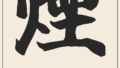
This Kanji has the “disease” radical (the outer part). To a Japanese eye, this immediately signals an illness.
Imagine walking around with the medical term for “Hemorrhoids” tattooed on your neck just because the font looked cool. This is the ultimate visual trap.
Why it’s a mistake:
Believe it or not, some people choose this character because it looks incredibly intricate and artistic with many strokes.
However, it literally means poop. No matter how cool the calligraphy style is, the meaning will always be dirty.
Why it’s a mistake:
This is the most famous Kanji mistake in recent history. Pop star Ariana Grande wanted to get a tattoo for her song “7 Rings.”
- Seven = 七
- Ring = 輪
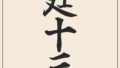
So she put them together: “七輪”.
However, in Japanese, when these two characters combine, they form a specific word: “Shichirin,” which is a small, earthen portable grill used for BBQ.
Instead of a celebration of her success, she accidentally tattooed a BBQ grill on her hand. This proves that even superstars need a native check before getting inked!
Conclusion
Kanji have “readings,” “meanings,” and “context.” You cannot simply translate English words one by one and stick them together.
Before you make something permanent on your skin, always consult a native speaker or verify the meaning with multiple sources.
The “Seven Rings” mistake is legendary in Japan.
Direct translation is the biggest enemy of a good Kanji tattoo. “Context” is everything!
Always double-check before it’s too late.
Comments