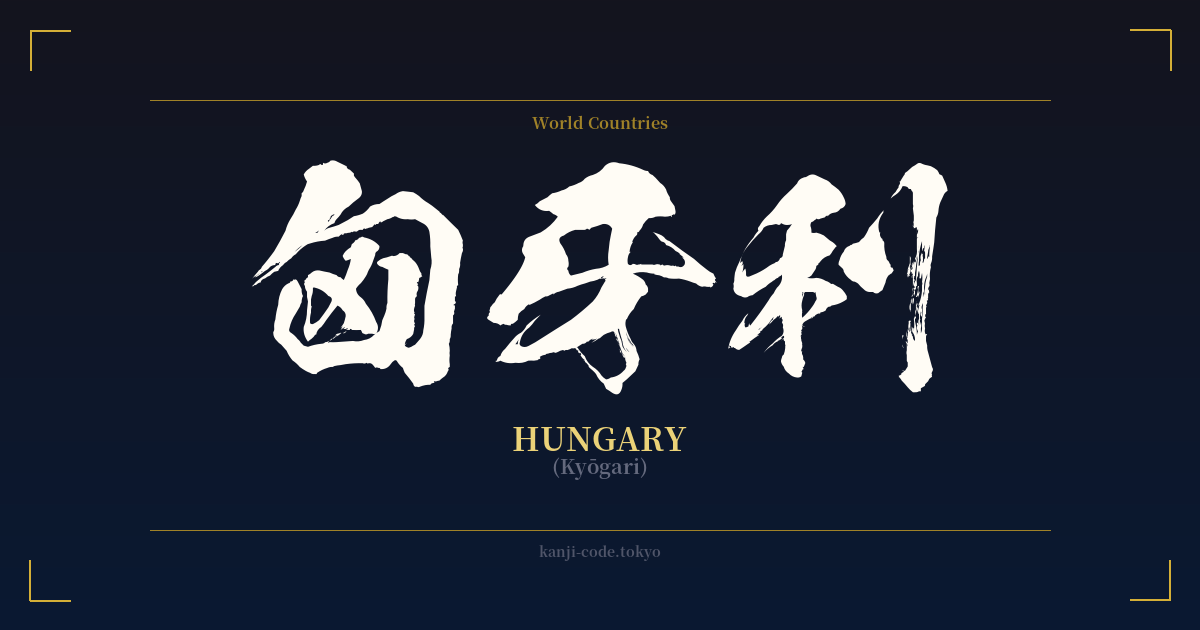
✍️ 匈牙利 (Kyōgari) — Contexto cultural
El compuesto kanji 匈牙利 representa a la nación de Hungría. Sin embargo, su significado no es profundo ni simbólico, sino más bien meramente lingüístico. Este es un ejemplo clásico de lo que en japonés se conoce como 'ateji' (当て字), una práctica en la que se utilizan caracteres kanji para imitar fonéticamente los sonidos de una palabra extranjera, sin tener en cuenta su significado original.
Durante la Restauración Meiji (1868-1912) y años anteriores, a medida que Japón se modernizaba rápidamente y aumentaba su contacto con Occidente, surgió la necesidad de transcribir nombres y conceptos extranjeros. Si bien el silabario katakana ya existía, aún no era el método estandarizado para todos los préstamos lingüísticos. En cambio, los eruditos y funcionarios solían seleccionar kanji que coincidieran con las sílabas de la palabra extranjera. Para 'Hungría', los sonidos se aproximaron a 'Kyō-ga-ri', lo que llevó a la selección de 匈, 牙 y 利.
Esta práctica ha dado lugar a combinaciones fascinantes y, a menudo, confusas. El carácter 匈 se asocia con los Xiongnu, una antigua confederación tribal, y por extensión, con los hunos, conectándose fonéticamente con 'Hungría'. 牙 significa 'colmillo' o 'ganancia', y 利 significa 'beneficio' o 'ganancia'. Al combinarse, el significado literal se convierte en un sinsentido: 'Turbulencia/Ganancia del Colmillo Huno'. Esto ilustra el principio fundamental del ateji: el sonido prima sobre la sustancia.
En el Japón contemporáneo, esta ortografía en kanji se considera arcaica. Cualquier mención de Hungría en noticias, libros o conversaciones utilizará la escritura katakana: ハンガリー (Hangarī). La forma en kanji 匈牙利 podría encontrarse únicamente en documentos históricos, textos académicos sobre etimología o como curiosidad. Su uso es similar al de una ortografía arcaica en inglés como 'Ye Olde Shoppe'; indica un contexto histórico específico y no forma parte del lenguaje vivo que se usa hoy en día. Comprender este contexto es crucial para cualquiera que lo considere para un diseño, ya que tiene un aire histórico, pero carece de relevancia y claridad modernas.
🖌️ Estilos de fuente para 匈牙利
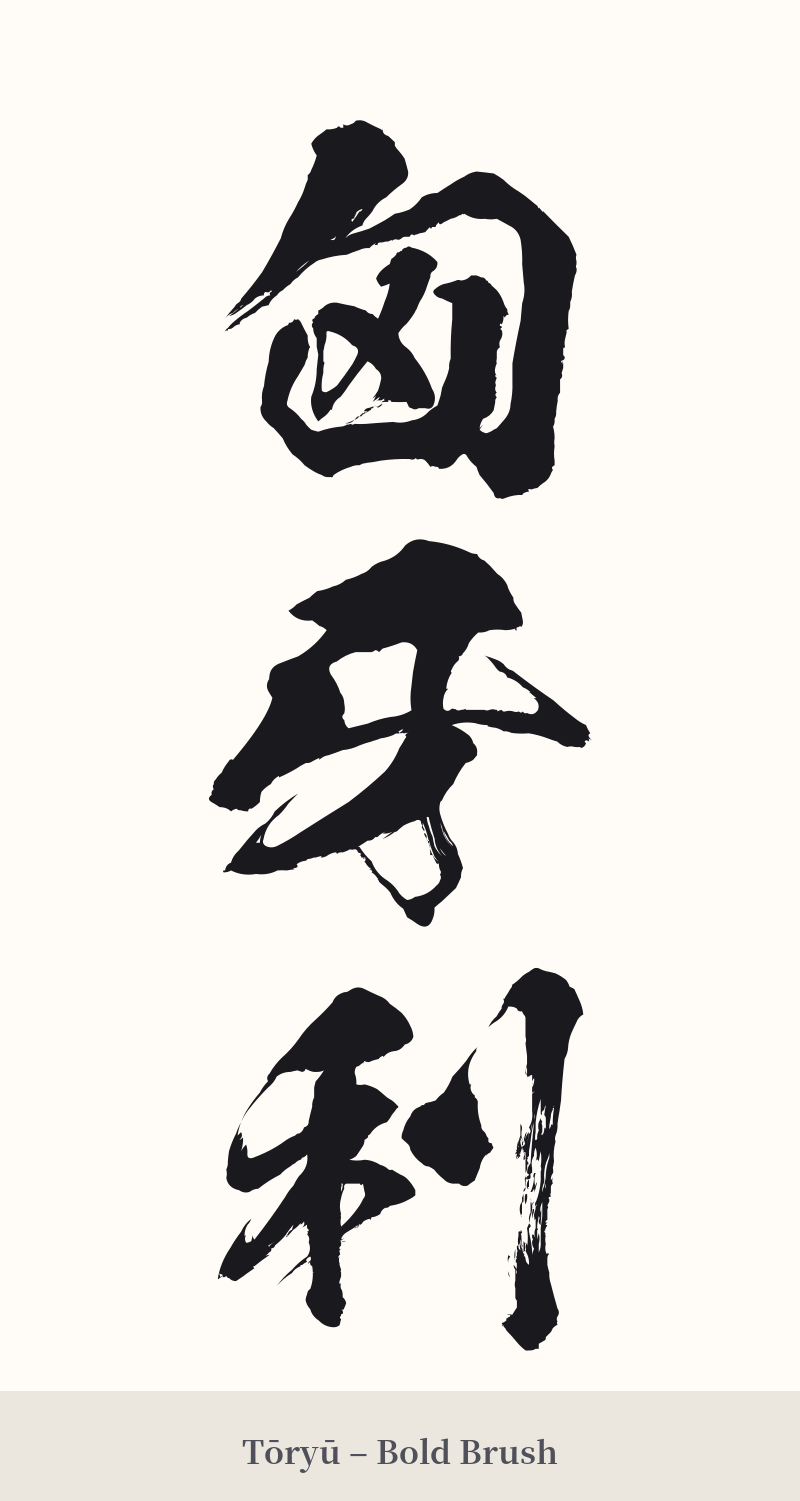
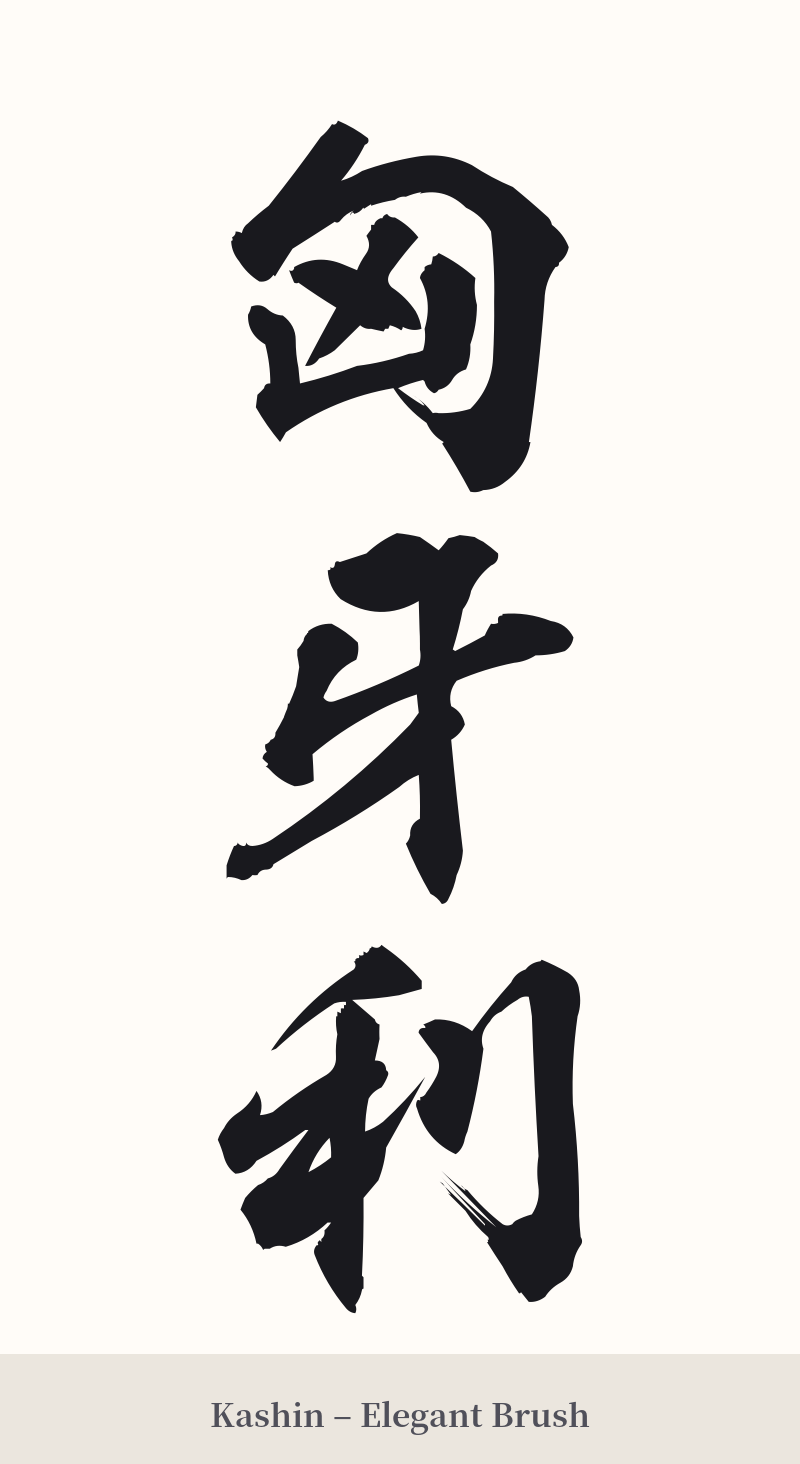
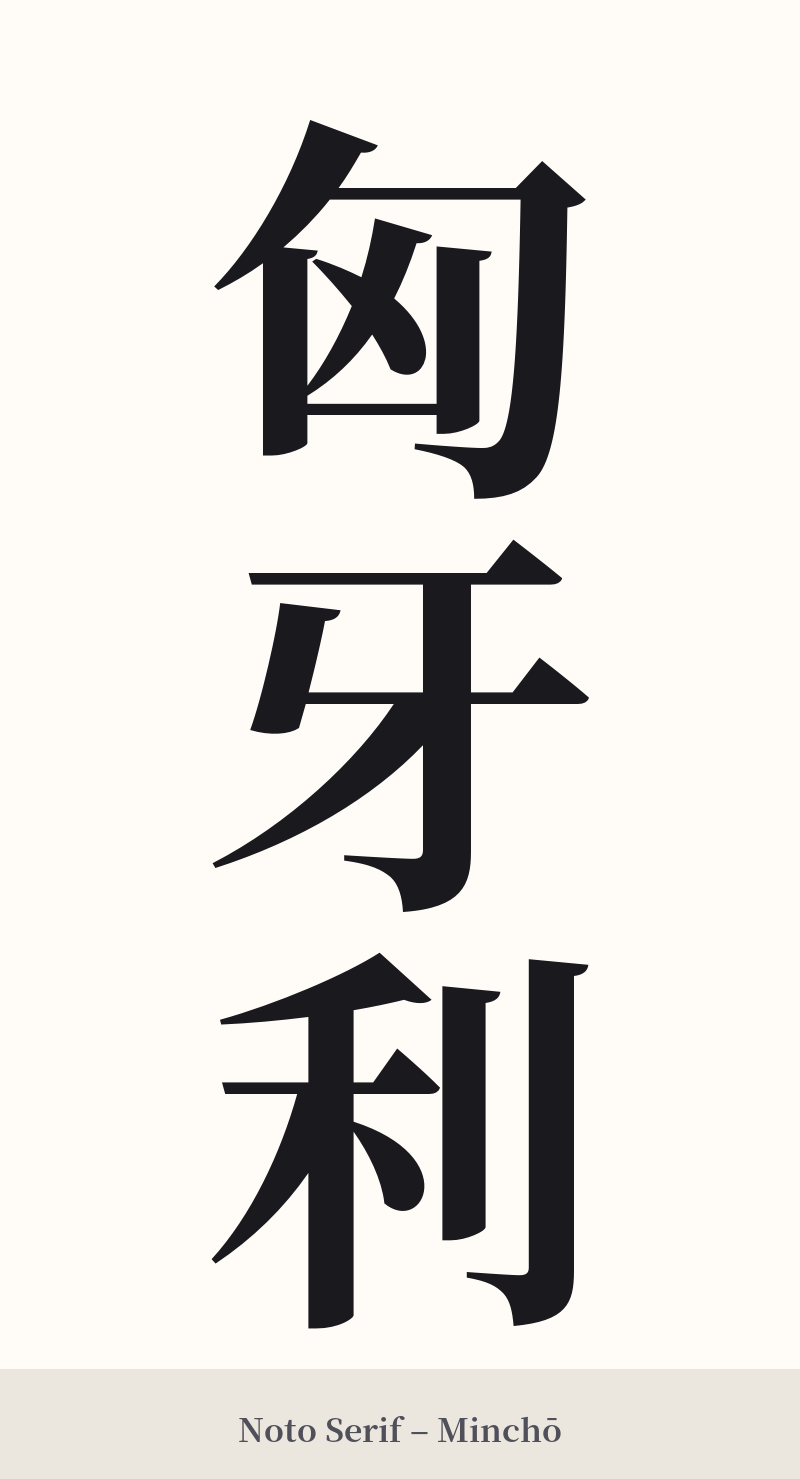
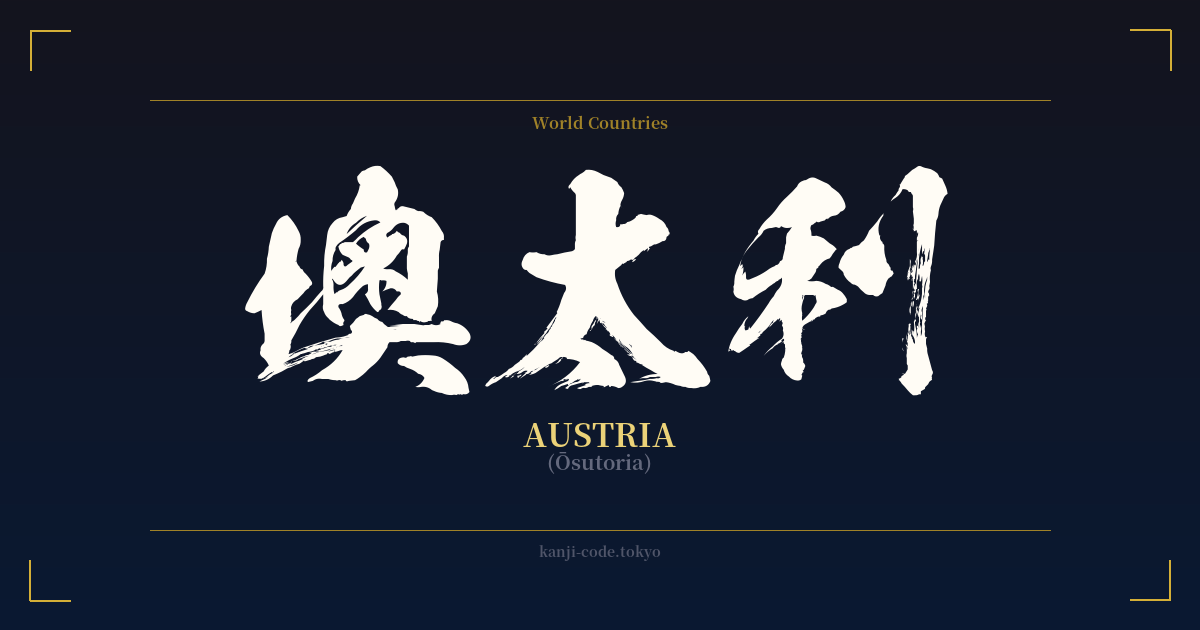
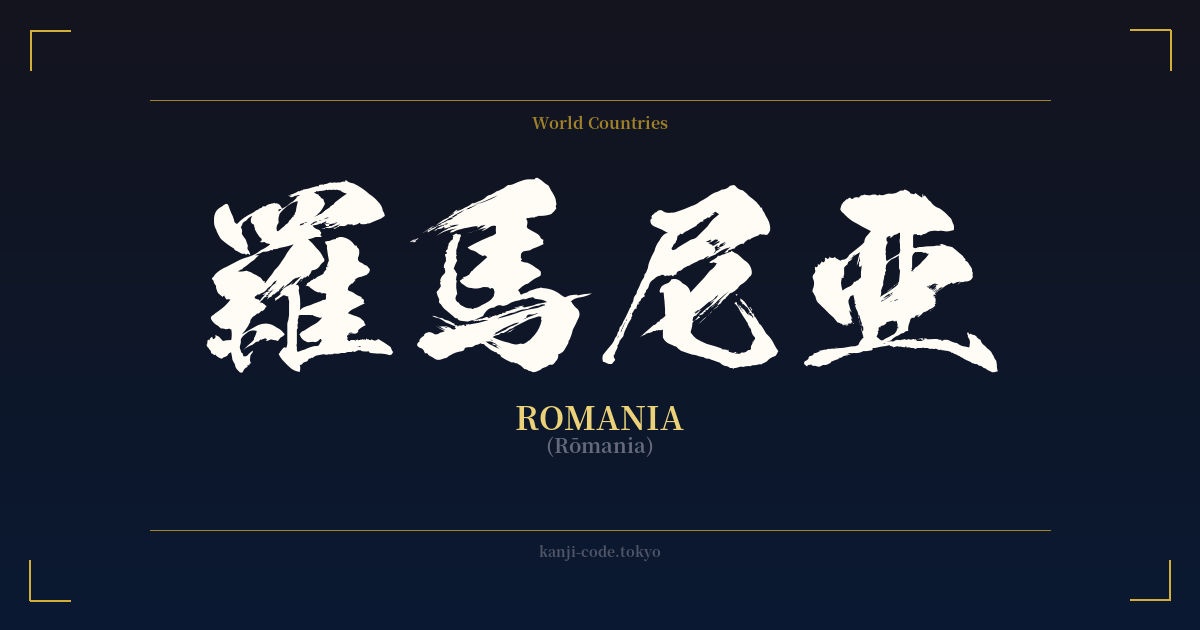
Los mismos caracteres kanji pueden verse muy diferentes según el estilo de caligrafía. Elige una fuente que se ajuste al ambiente que deseas para tu tatuaje o diseño.
🎨 Idoneidad para tatuajes
📐 Guía de diseño de tatuajes
Debido a su carácter arcaico y puramente fonético, generalmente no se recomienda tatúarse 匈牙利. El riesgo de que se malinterprete o se considere una elección extraña es muy alto. Sin embargo, si tiene una razón histórica o personal específica para elegirlo, aquí le presentamos algunas consideraciones de diseño:
– Ubicación: Una columna vertical en el brazo o a lo largo de la columna vertebral es una disposición clásica para los caracteres kanji compuestos. Esto resalta su carácter tradicional, aunque arcaico.
– Estilo de fuente: Para respetar su contexto histórico, considere una caligrafía tradicional. Una letra 'Kaisho' (de imprenta) formal o una 'Gyosho' (semicursiva) ligeramente más fluida serían más apropiadas que una fuente moderna y estilizada.
– Combinación con imágenes: Para contextualizar y evitar confusiones, considere incorporar un elemento de diseño que haga referencia clara a Hungría. Podrían ser los colores de la bandera húngara, el escudo nacional o un monumento reconocible como el Parlamento de Budapest.
Ideas alternativas: Una mejor opción podría ser una palabra japonesa que capture la esencia de lo que admiras de Hungría, como '音楽' (Ongaku – Música) por su rica herencia musical, o '歴史' (Rekishi – Historia) por su profundo pasado. Esto crea un tatuaje significativo que, además, es cultural y lingüísticamente apropiado.
Comentarios