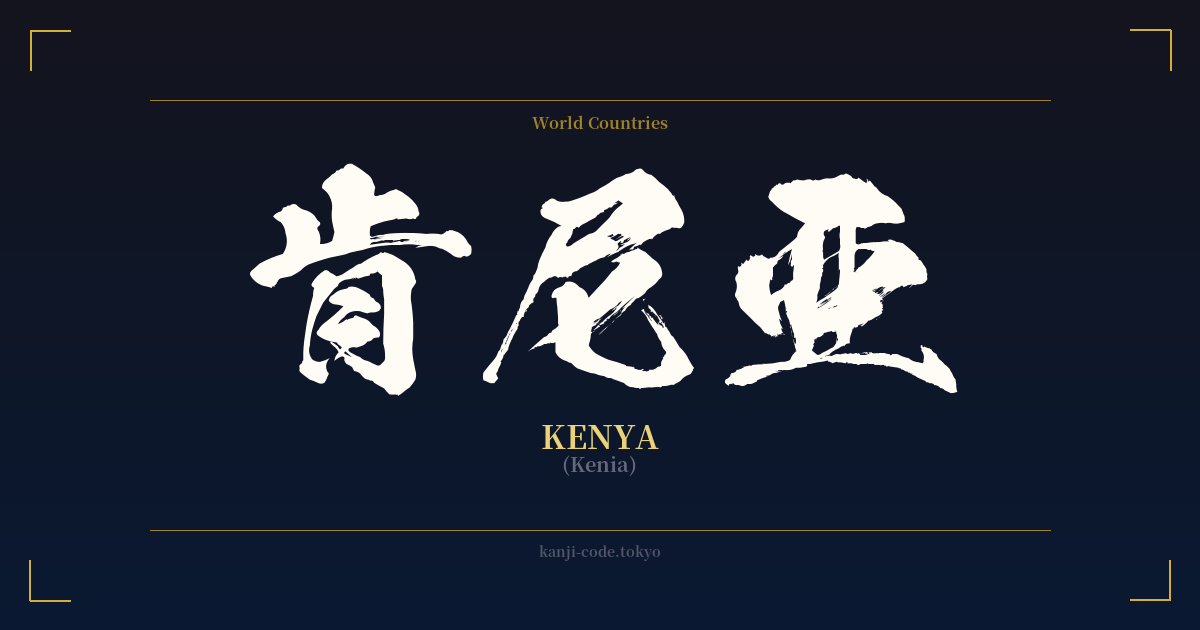
✍️ 肯尼亜 (Kenia) — Contexto cultural
Los caracteres 肯尼亜 (Kenia) representan a Kenia, nación de África Oriental, en japonés. Sin embargo, esta palabra no tiene un significado profundo ni poético. En cambio, es un claro ejemplo de una práctica lingüística conocida como 'ateji' (当て字), en la que los kanji se eligen únicamente por su fonética para representar una palabra extranjera, sin tener en cuenta su significado original.
En este caso, los caracteres se seleccionaron para imitar el sonido 'Ke-ni-a'. 肯 (ken/ke) significa 'consentimiento', 尼 (ni) significa 'monja' y 亜 (a) significa 'Asia' o 'siguiente'. En conjunto, el significado literal es un sinsentido 'consentimiento-monja-Asia'. Esto ilustra claramente que el propósito era una transcripción puramente fonética, no una representación semántica.
Esta práctica fue particularmente común durante el período Meiji (1868-1912), cuando Japón abrió sus fronteras al mundo tras siglos de aislamiento. Una avalancha de nuevos conceptos, nombres y lugares extranjeros necesitaba integrarse al idioma japonés. Antes de la adopción generalizada del alfabeto katakana para este fin, el uso fonético de los kanji era el método habitual. Esto también se observa en otros nombres de países, como 亜米利加 (Amerika) para Estados Unidos o 仏蘭西 (Furansu) para Francia.
Hoy en día, el uso de 肯尼亜 se considera arcaico o formal. La forma estándar y cotidiana de escribir 'Kenya' en japonés moderno es con el alfabeto katakana: ケニア. El katakana fue diseñado específicamente para manejar préstamos lingüísticos extranjeros, lo que lo convierte en la opción clara e inequívoca en casi todos los contextos.
Es raro encontrar la palabra 肯尼亜 en un texto moderno. Podría utilizarse con fines estilísticos, históricos o literarios, tal vez en un documento formal o en una obra de arte que busque un estilo clásico. Constituye un fascinante artefacto lingüístico, una instantánea de una época en la que Japón absorbía rápidamente la cultura global y adaptaba su sistema de escritura para afrontar el desafío.
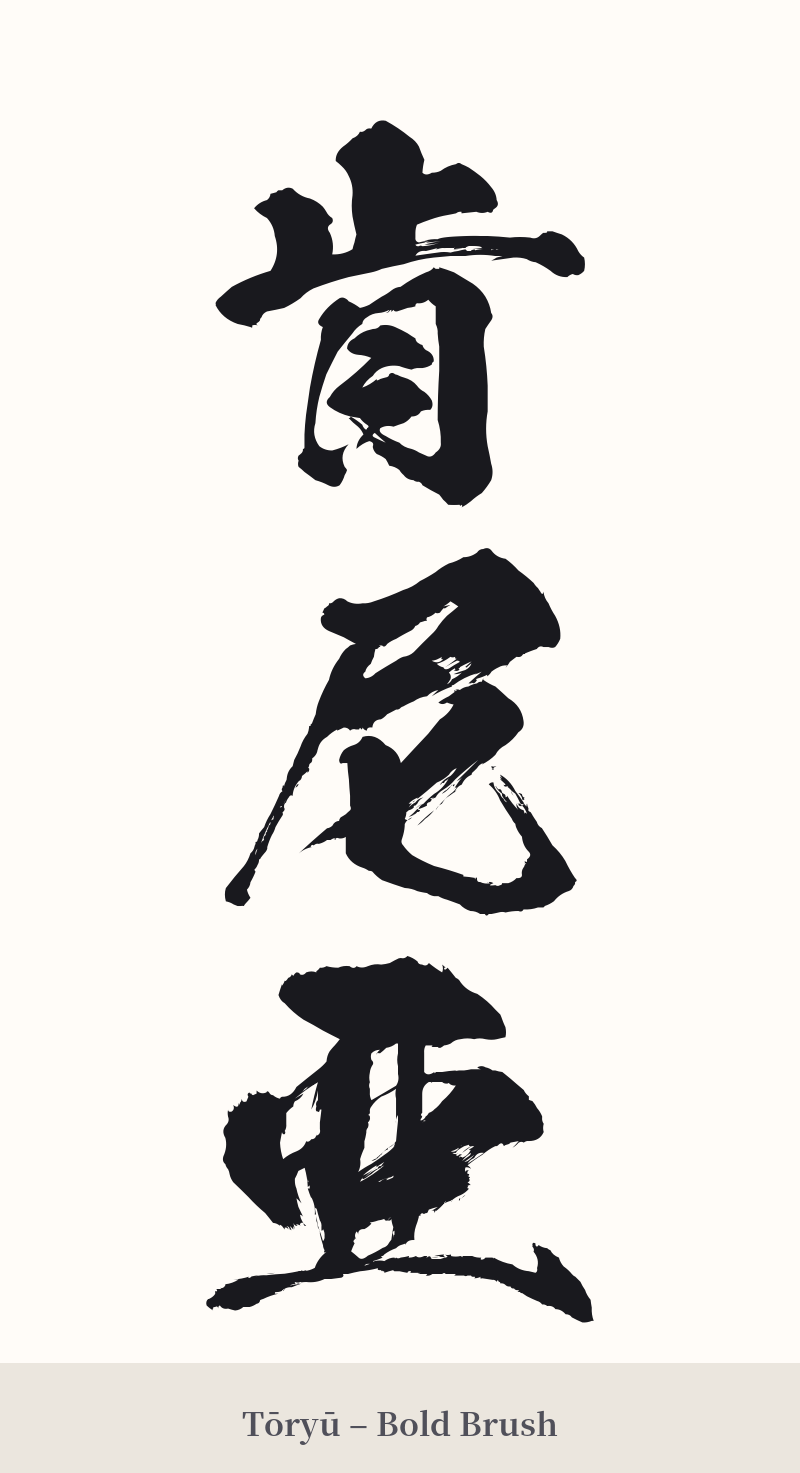
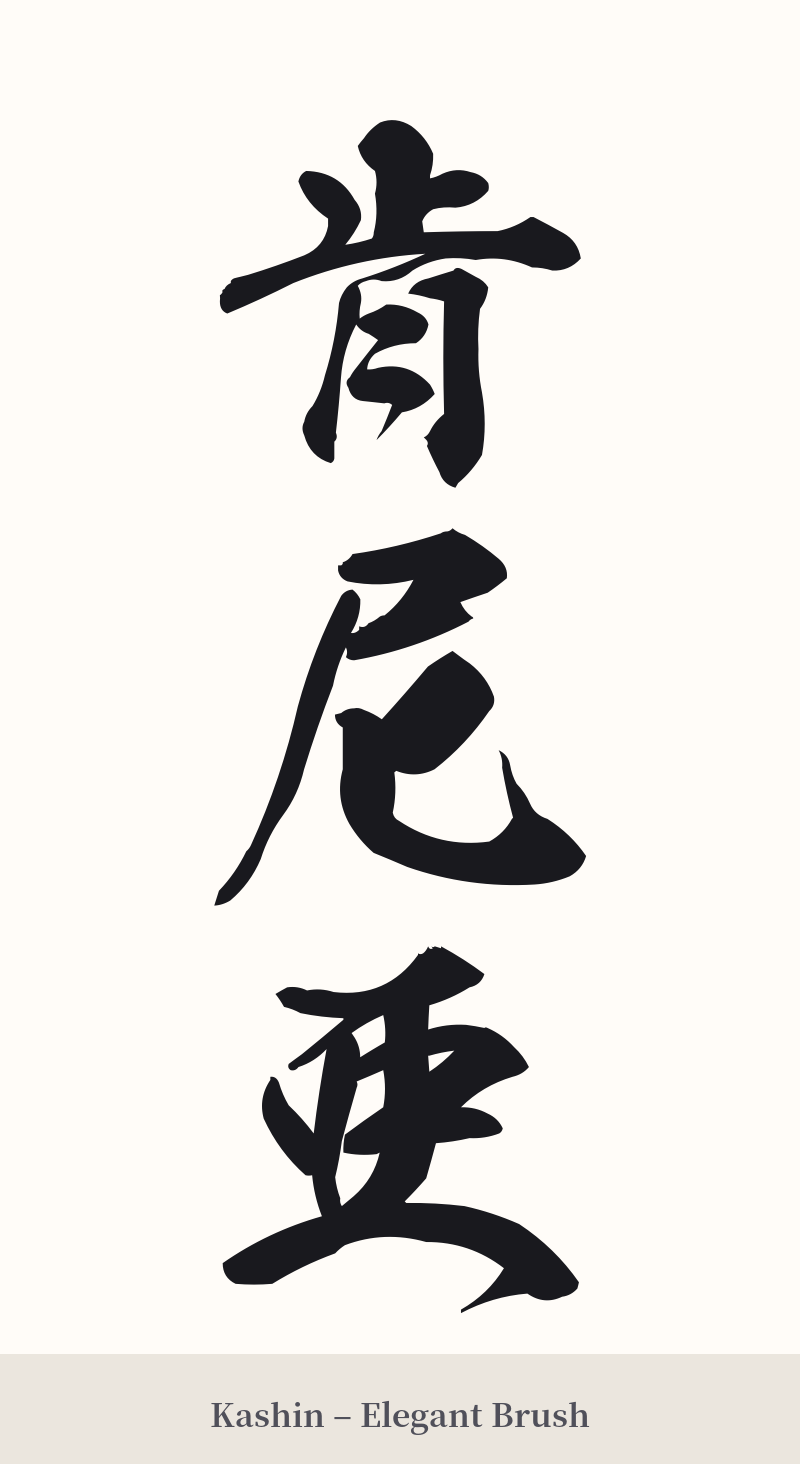
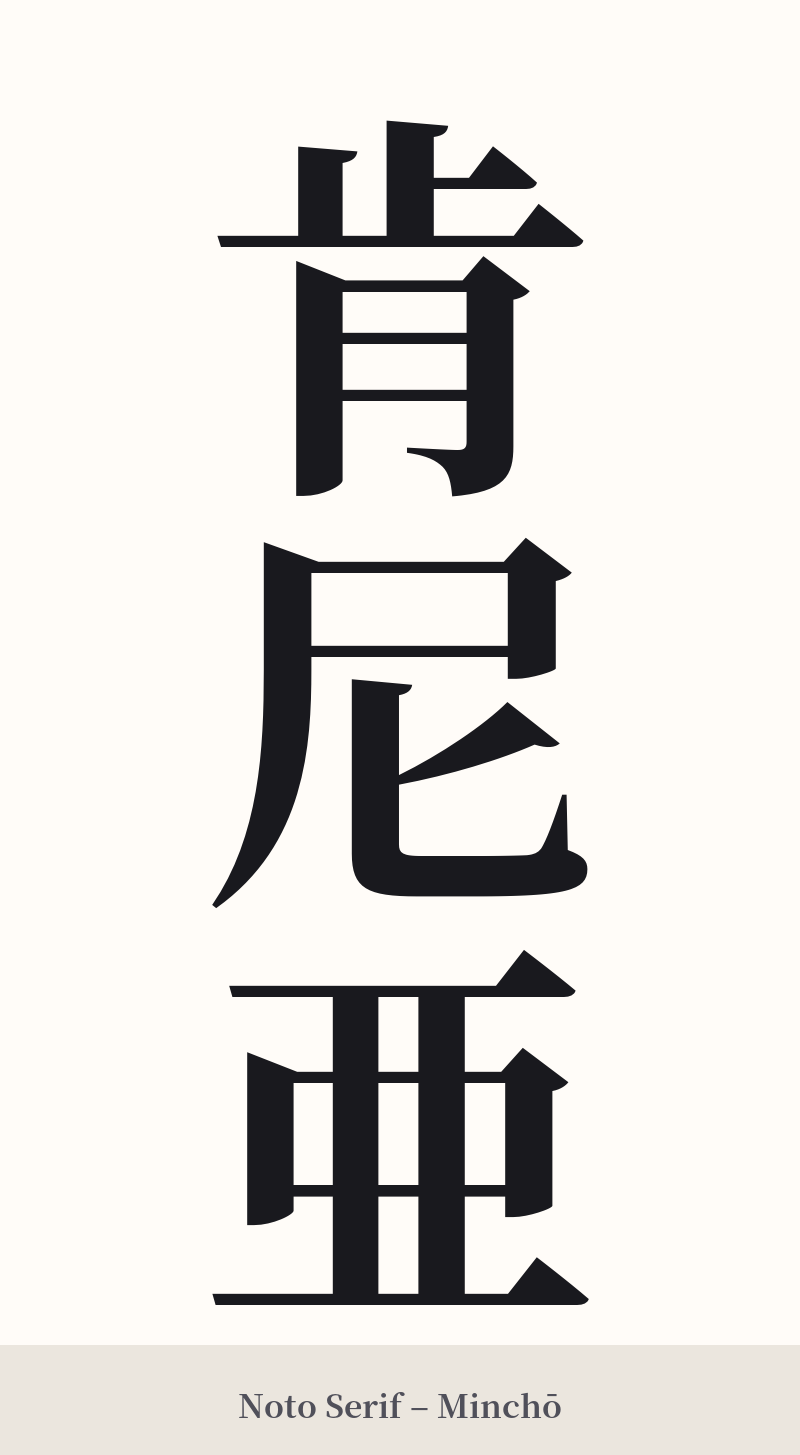
🖌️ Estilos de fuente para 肯尼亜
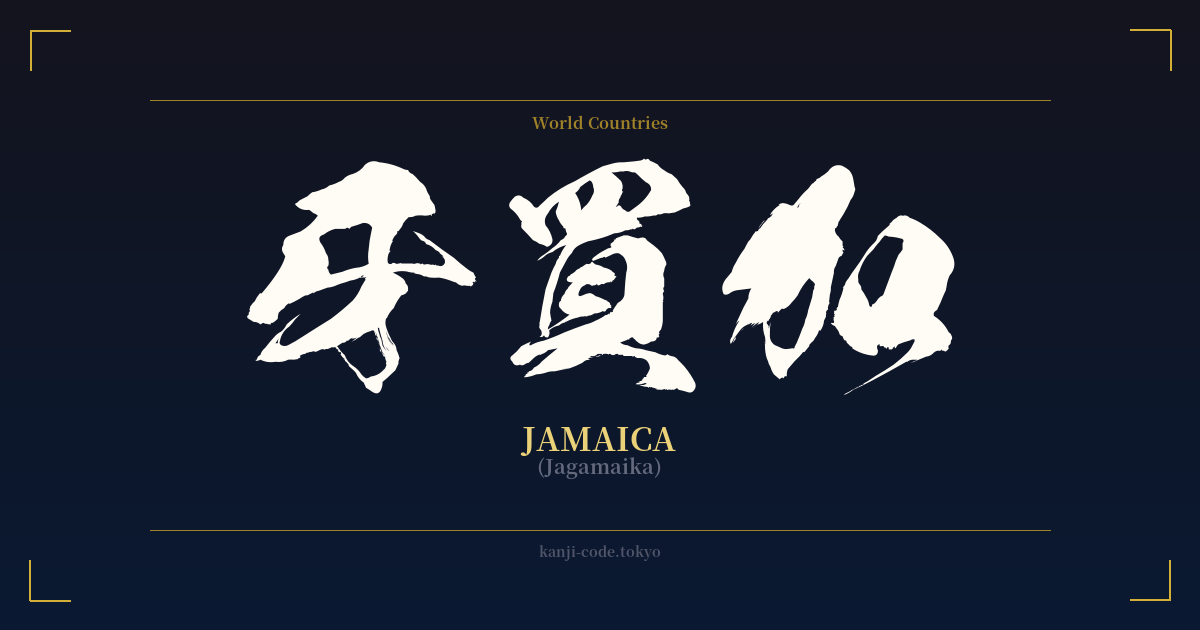
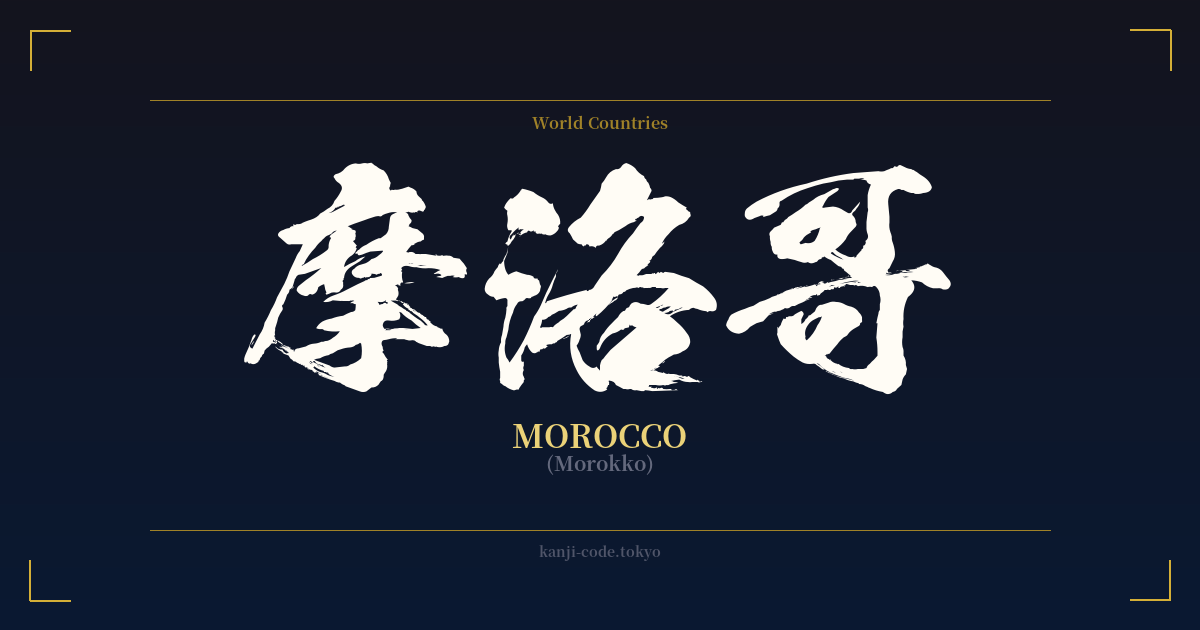
Los mismos caracteres kanji pueden verse muy diferentes según el estilo de caligrafía. Elige una fuente que se ajuste al ambiente que deseas para tu tatuaje o diseño.
🎨 Idoneidad para tatuajes
📐 Guía de diseño de tatuajes
Si decides tatuarte 肯尼亜, el diseño debe enfatizar su aire clásico e histórico, ya que es una ortografía arcaica.
– Colocación: Se recomienda encarecidamente una orientación vertical. Este diseño compuesto de tres caracteres luce excelente en el antebrazo, la pantorrilla o junto a la columna vertebral. También es posible colocarlo horizontalmente en el pecho o la parte superior de la espalda.
– Estilo de fuente: Cíñete a los estilos de caligrafía japonesa tradicionales. Una escritura Kaisho (楷書) audaz y robusta lucirá formal y contundente. Para un estilo más fluido y artístico, una escritura Gyosho (行書) semicursiva sería una excelente opción. Evita las fuentes modernas o geométricas, ya que desentonarían con el carácter histórico de la palabra.
Consejos visuales: Dado que los caracteres en sí no tienen ninguna conexión con Kenia, considere incorporar otras imágenes para contextualizarlos. Un diseño que combine los kanji con la silueta de una acacia, la forma del continente africano o un animal como un león o un elefante puede crear una pieza mucho más significativa y visualmente coherente.
Comentarios