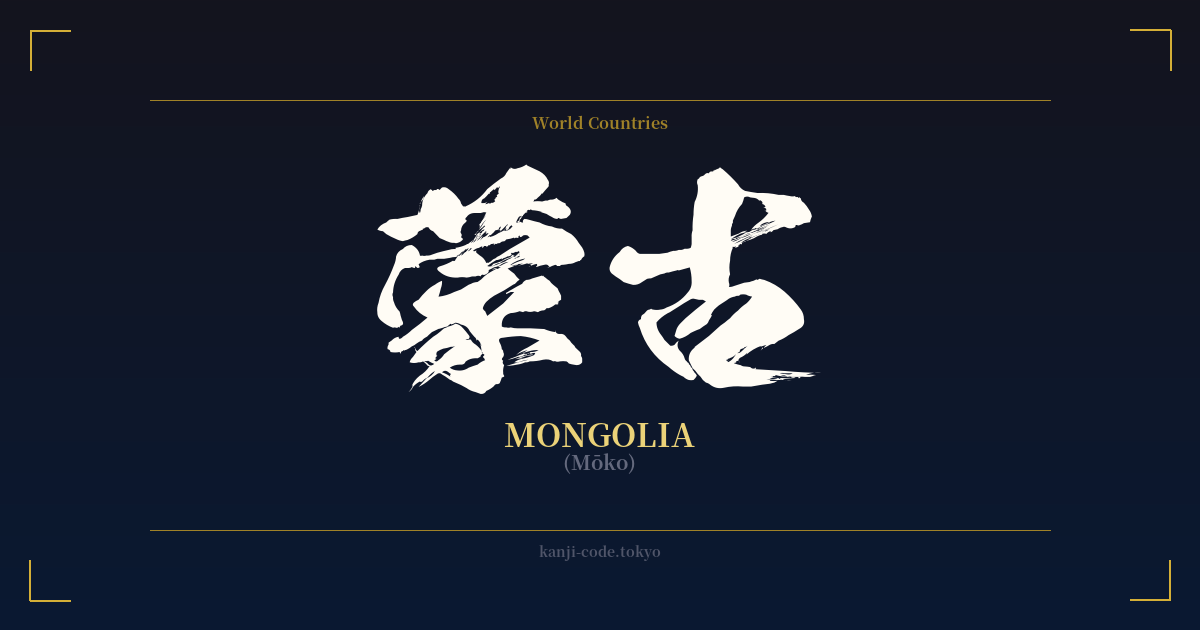
✍️ 蒙古 (Mōko) — Cultural Context
The word 蒙古 (Mōko) is the traditional Japanese kanji term for Mongolia. At first glance, it appears to be a straightforward geographical name, but its origins reveal a fascinating and complex aspect of the Japanese language: the use of ateji, where kanji are chosen for their phonetic sound rather than their meaning.
The characters themselves, 蒙 (Mō) and 古 (Ko), were selected to approximate the sound of the native name 'Mongol.' However, their literal meanings are disconnected from the country itself. 蒙 means 'ignorance,' 'darkness,' or 'to be covered,' while 古 simply means 'old' or 'ancient.' The combination does not mean 'ignorant and old'; rather, the meanings are entirely disregarded in favor of the sounds.
This phonetic borrowing has deep historical roots. The term 蒙古 gained prominence in Japan during the 13th century with the Mongol invasions, known as 元寇 (Genkō). The formidable Mongol Empire, or 蒙古帝国 (Mōko Teikoku), launched two massive naval assaults on Japan, which were famously thwarted, in part, by typhoons later called 神風 (Kamikaze) or 'divine winds.' Consequently, the word 蒙古 is inextricably linked to this dramatic period of Japanese history, evoking powerful images of a fearsome, foreign military force and the samurai who defended their homeland.
Because of this history, 蒙古 carries a weight that is more than just geographical. It speaks to a pivotal moment of national crisis and resilience in the Japanese consciousness. However, this historical context also brings a layer of cultural sensitivity. In modern times, there is greater awareness that using a character meaning 'ignorant' to represent a nation and its people can be perceived as pejorative. While it remains a standard term in historical and some formal contexts, the katakana version, モンゴル (Mongoru), is far more common and neutral in everyday Japanese today.
For anyone considering this word, understanding this nuance is critical. It is not a poetic name for Mongolia but a historical, phonetic transcription with potentially negative undertones, wrapped in the legacy of ancient conflict.
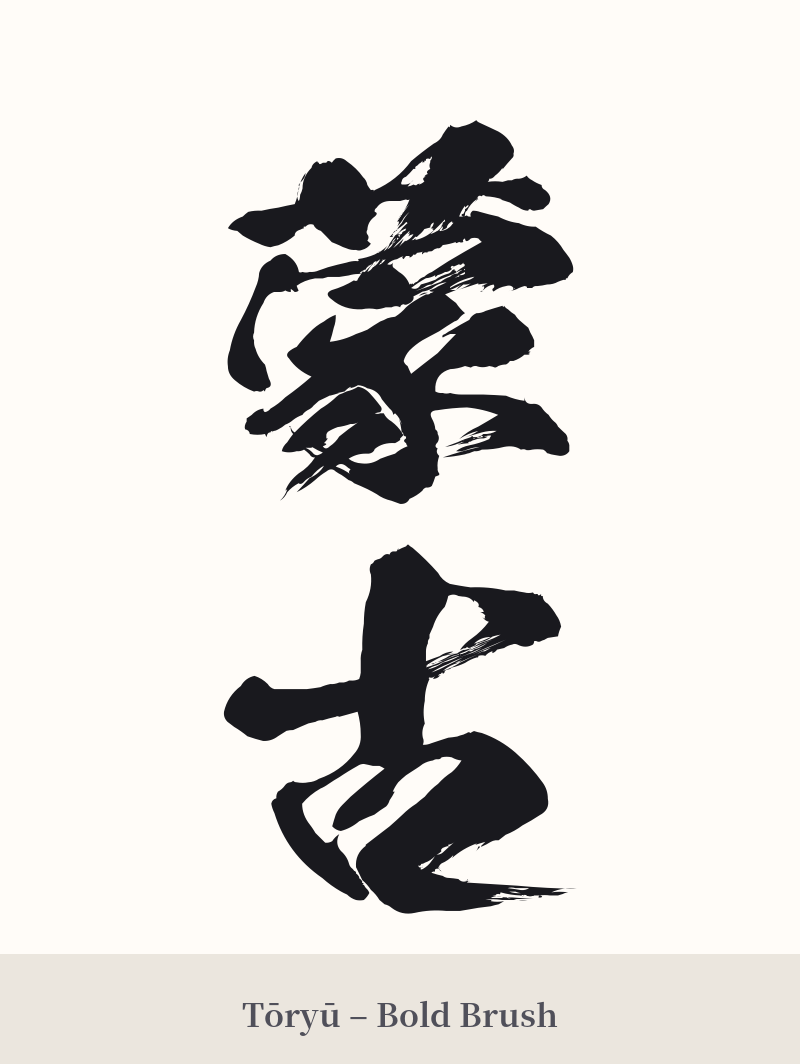
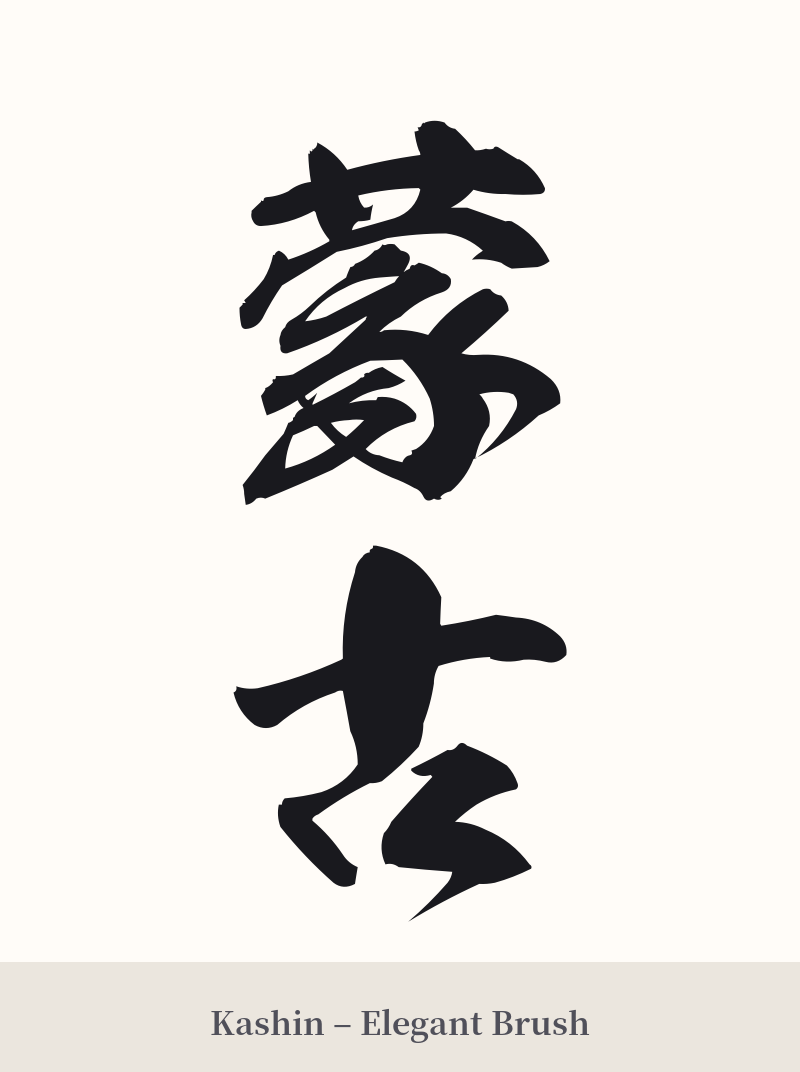
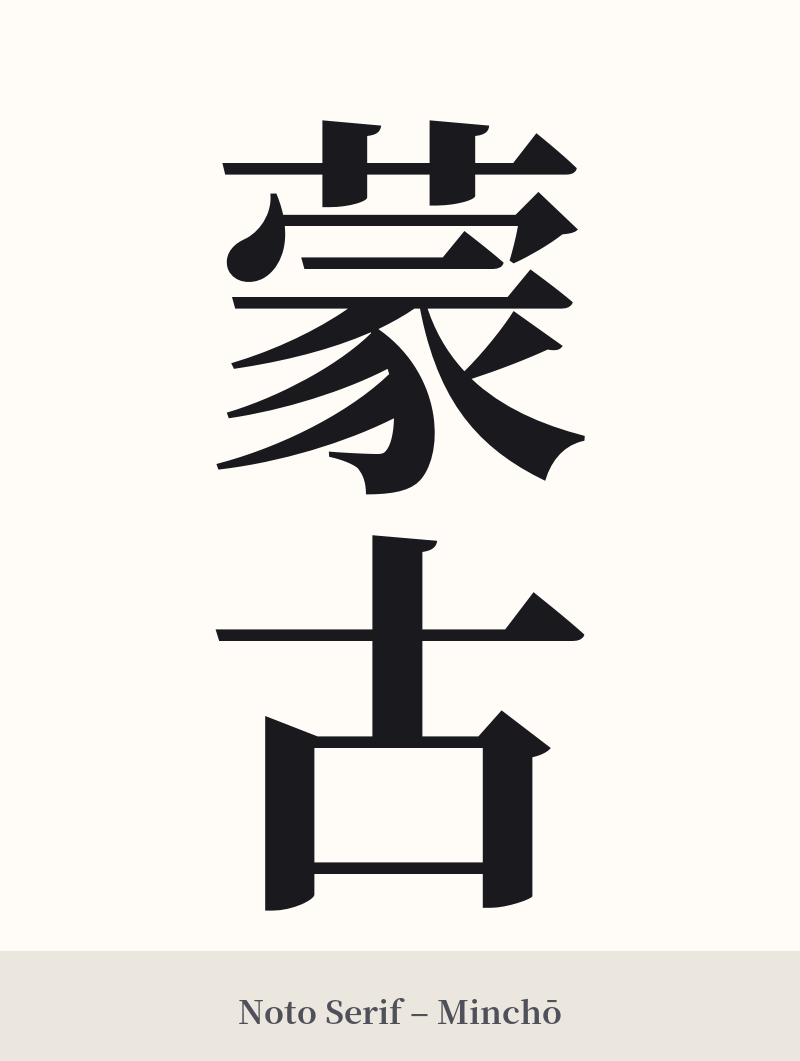
🖌️ Font Styles for 蒙古
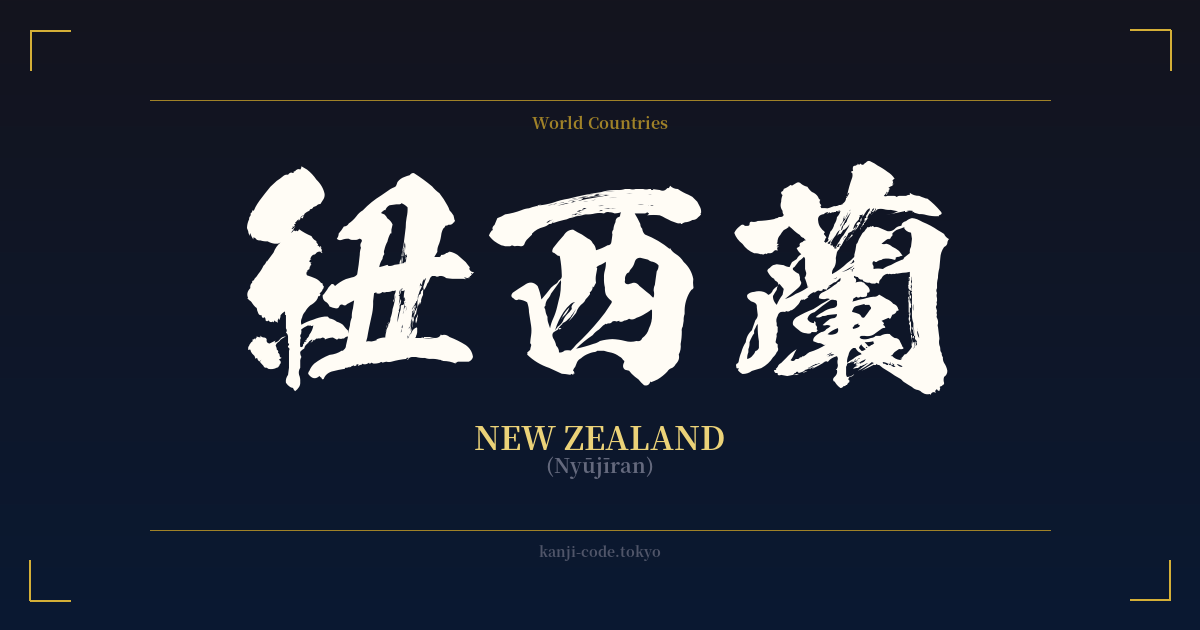
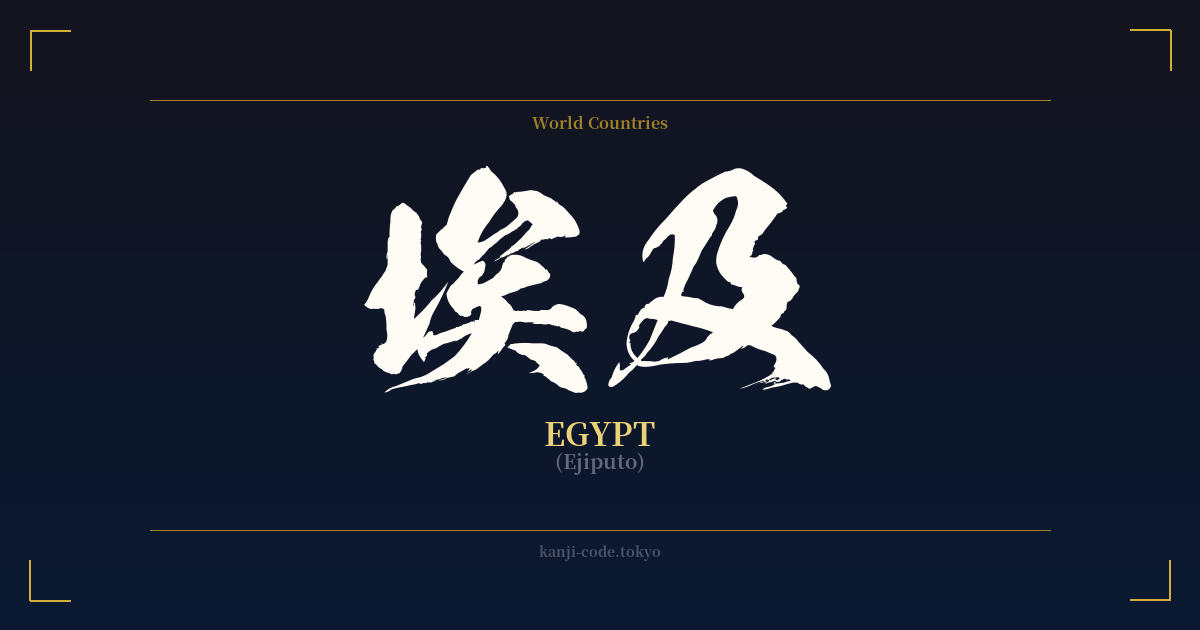
The same kanji can look dramatically different depending on the calligraphy style. Choose a font that matches the mood you want for your tattoo or design.
🎨 Tattoo Suitability
📐 Tattoo Design Guide
If you choose to proceed with a 蒙古 tattoo despite the cautions, the design should be handled with intention to convey strength and history, rather than the negative literal meaning.
– Placement: Due to the complexity of the first character, 蒙, a larger surface area is recommended. The shoulder blade, upper back, or forearm would allow the artist to render the strokes clearly and prevent ink from bleeding together over time.
– Font Style: Opt for a strong, impactful calligraphy style. A bold Kaisho (block script) can give it a sense of solidness and history. Alternatively, a dynamic Gyosho (semi-cursive script) could evoke the movement and power associated with the Mongol Empire.
– Visual Tips: Consider pairing the kanji with imagery that provides context and reinforces the intended meaning. Elements like a horse, an eagle, a bow, or a stylized depiction of the vast Mongolian steppe can help frame the word as a reference to the nation's culture and history, overriding the problematic literal meaning of the characters.
Comments