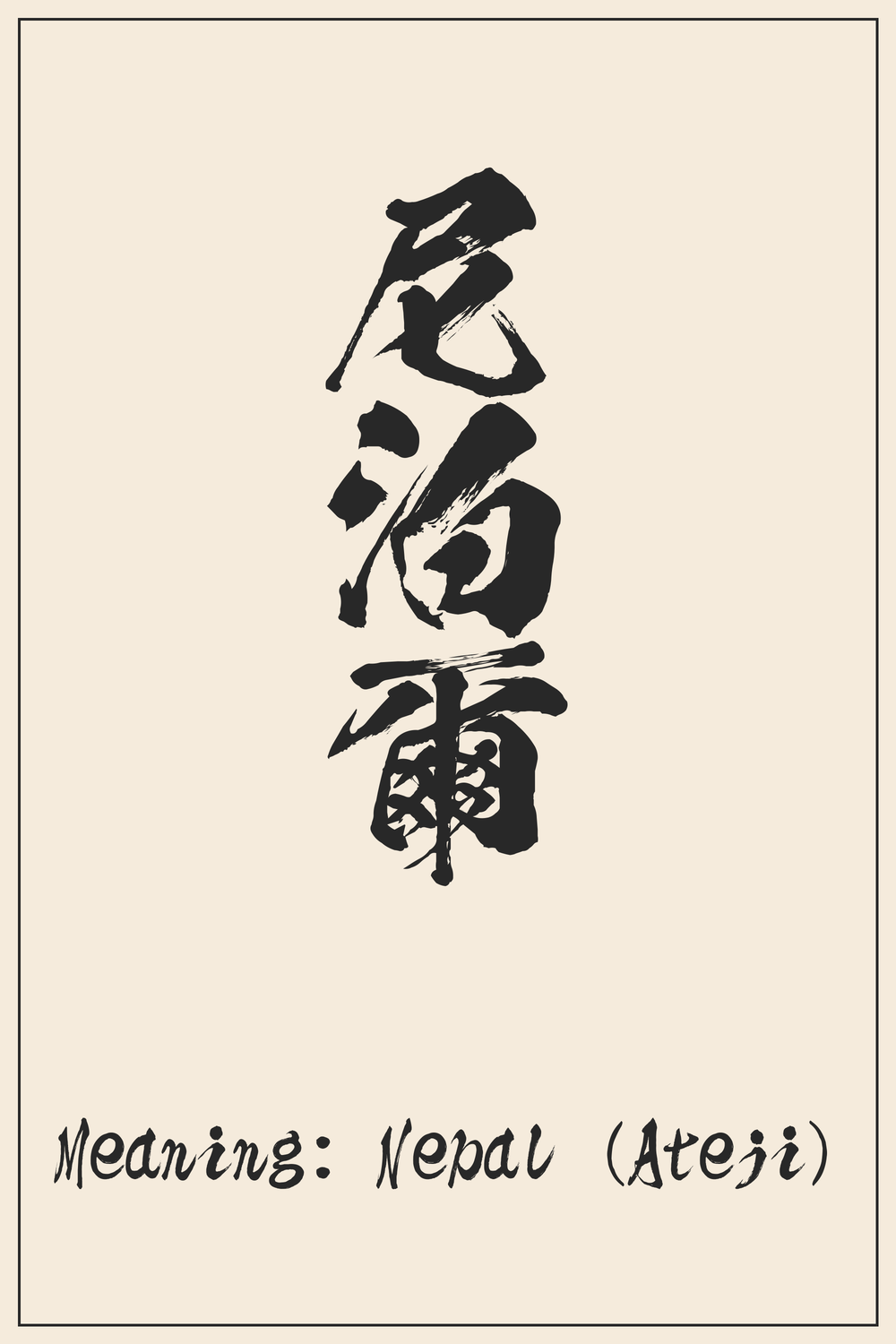
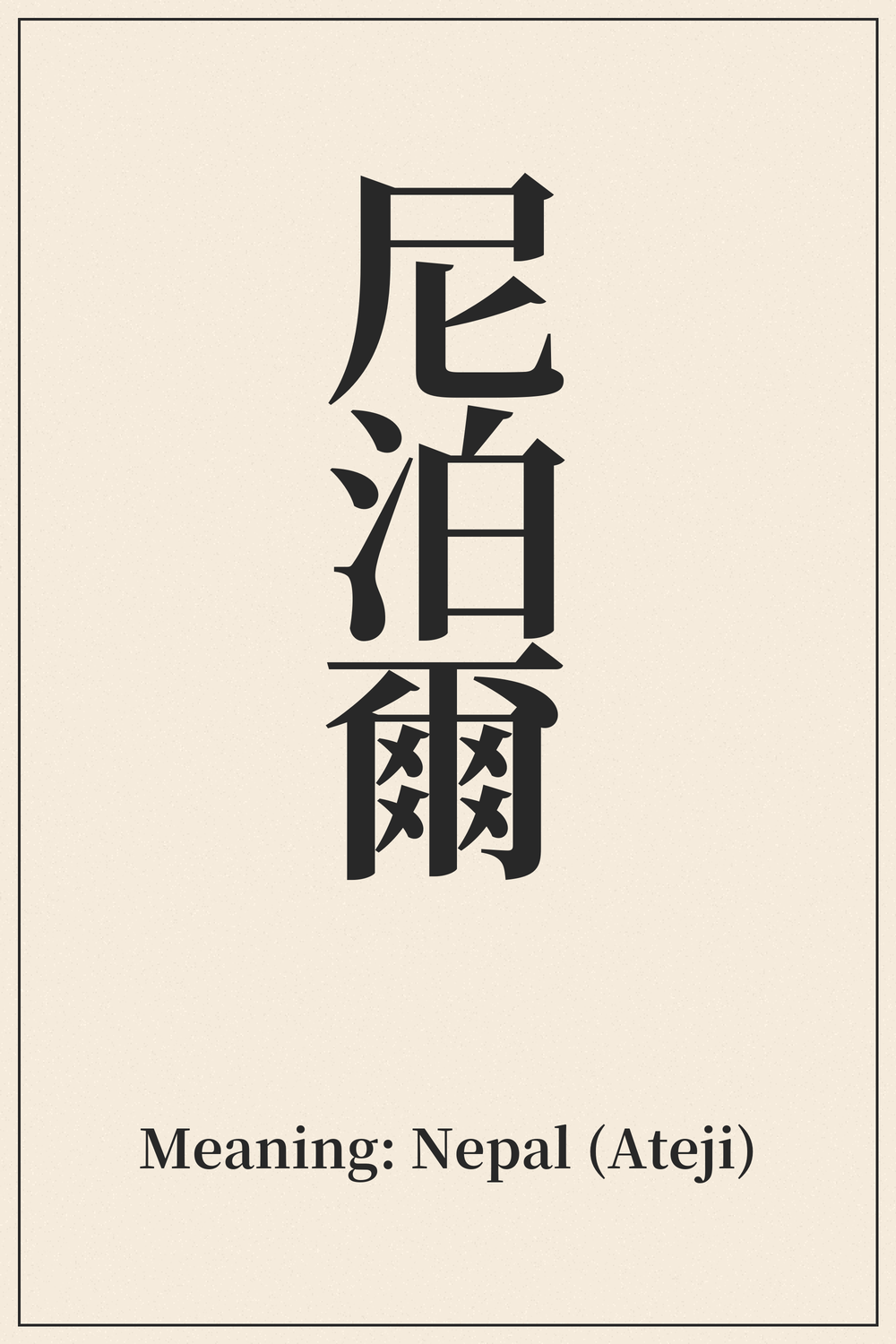
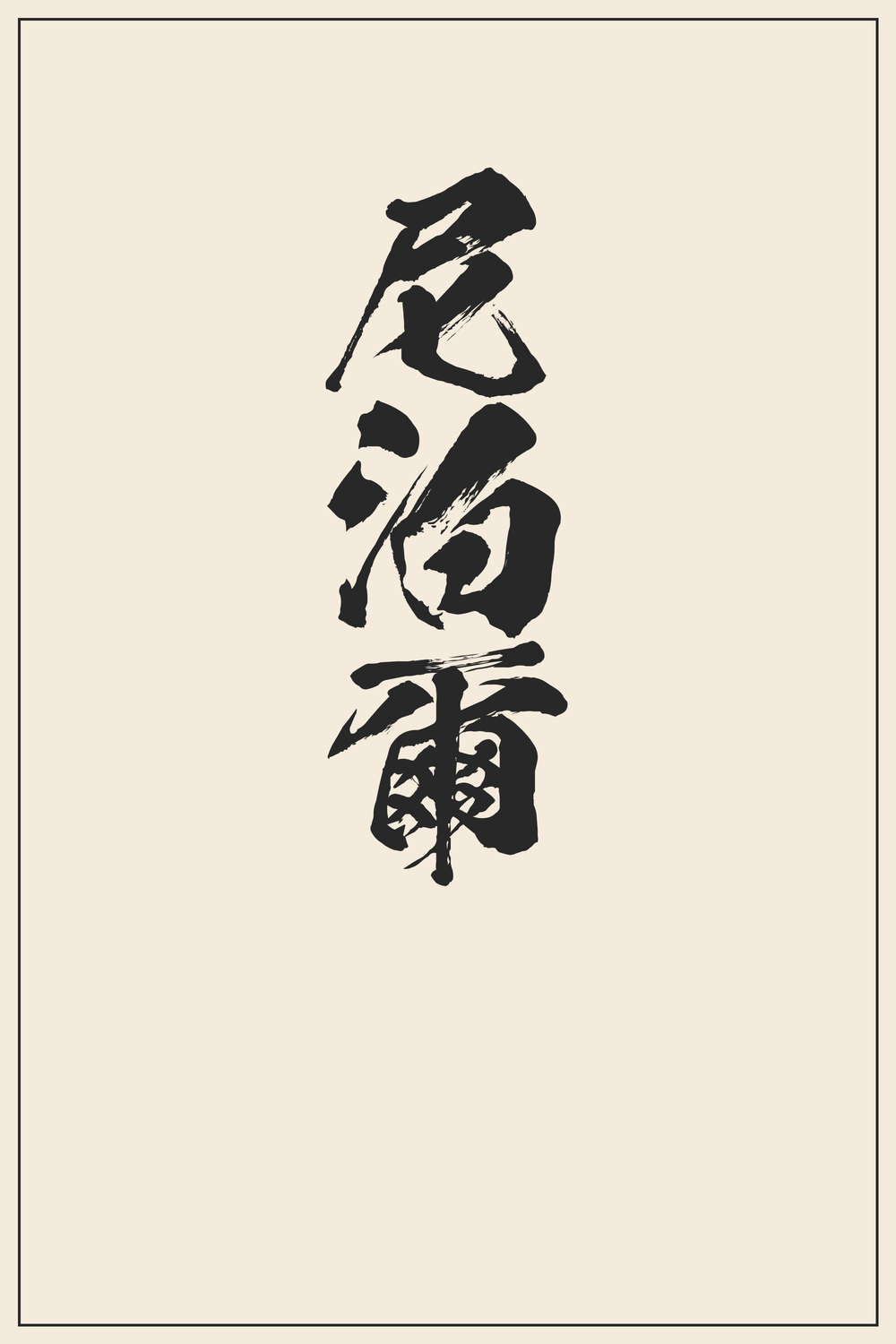
Delve into 尼泊爾 (Neparu), the fascinating Kanji representation of Nepal. This term beautifully illustrates the Japanese linguistic art of adapting foreign names into its rich writing system.
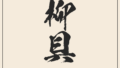
The atmosphere of a Kanji character changes dramatically depending on the font style. A character that looks elegant in a brush style might look bold and modern in a different font.
Recommendation: Since a tattoo is permanent, we strongly recommend comparing various font styles beyond what is shown here. Use our designs as a trusted reference for the correct structure, but feel free to explore different artistic variations to find the perfect match for your vision.
The Deep Meaning Behind 尼泊爾
尼泊爾 (Neparu) is a fascinating example of ateji (当て字), where kanji characters are used purely for their phonetic values to represent foreign words or names. In this case, these three kanji collectively spell out ‘Nepal’, the landlocked country in South Asia known for its Himalayan mountains and as the birthplace of Buddha.
The choice of these specific kanji for ‘Nepal’ is entirely phonetic, with their individual meanings largely incidental to the country’s identity. This practice highlights how Japanese adapted foreign concepts into its writing system, prioritizing sound over inherent meaning when necessary.
Kanji Breakdown
Each character in 尼泊爾 contributes phonetically to the name ‘Nepal’, though their literal meanings are distinct.
Meaning: This kanji means ‘nun’ or ‘Buddhist nun’. It originally depicted a person with a head covering, symbolizing a female clergy member.
Meaning: Meaning ‘to stay overnight’ or ‘to anchor/moor’. It is composed of the radical for water (水) and the character for white (白), illustrating a boat resting on the water.
Meaning: An archaic character meaning ‘you’, ‘that’, or ‘thus’. It often functioned as a demonstrative pronoun or particle in classical Chinese and Japanese.
Conclusion
As an ateji, 尼泊爾 (Neparu) serves a practical purpose: to phonetically transcribe ‘Nepal’ into Japanese kanji. The literal meanings of ‘nun,’ ‘stay overnight,’ and ‘you’ bear no direct conceptual connection to the country itself, reflecting a linguistic choice rather than a symbolic one.
While ateji can sometimes create serendipitously profound or beautiful meanings, 尼泊爾 is a clear instance where the characters are used strictly for their sounds. Therefore, for tattoo purposes, its significance lies primarily in its phonetic representation of Nepal, rather than a deep, intrinsic meaning derived from the kanji themselves. Its beauty is in its linguistic cleverness, representing a foreign name within the rich tapestry of Japanese writing.
Comments