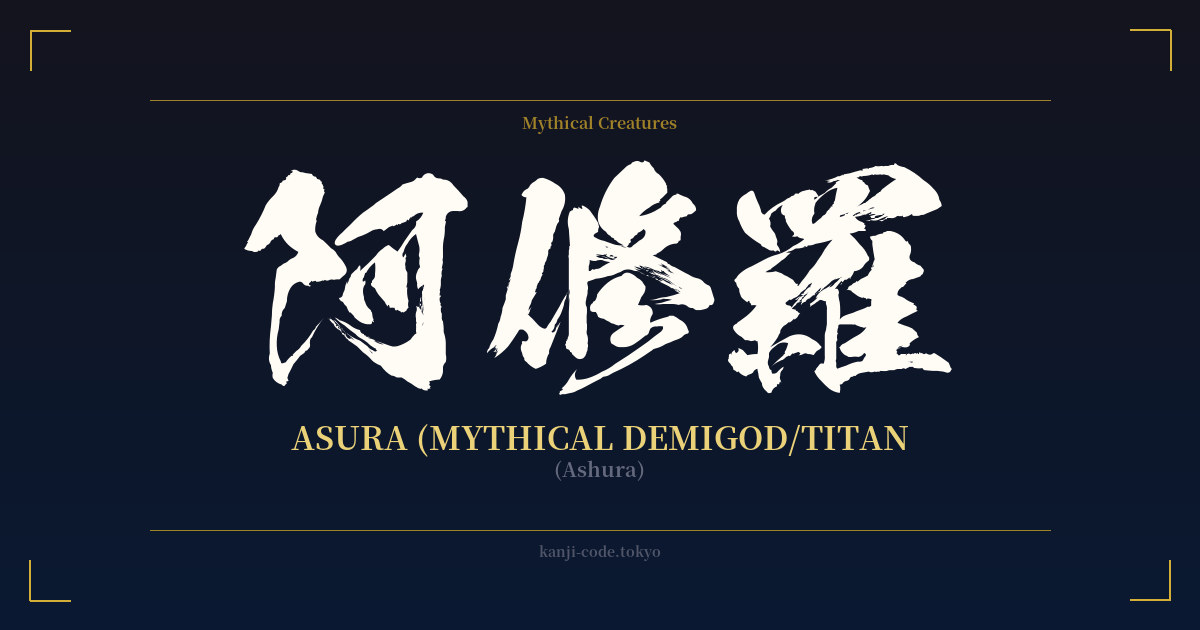
✍️ 阿修羅 (Ashura) — Contexto cultural
La historia de los Asuras (阿修羅) es un viaje fascinante a través de religiones antiguas, desde la mitología hindú hasta el corazón del budismo japonés. Originalmente, en los textos védicos, los Asuras eran una clase de seres divinos, a veces rivales de los Devas (o Suras). Con el tiempo, su narrativa cambió, presentándolos como semidioses o titanes sedientos de poder, atrapados eternamente en una lucha cósmica nacida del orgullo y los celos.
Cuando este concepto se introdujo en el budismo, se entretejió en la esencia de su cosmología. El Asura se convirtió en uno de los Seis Reinos del Renacimiento (六道, Rokudō). Renacer como Asura significa entrar en un mundo de constante conflicto. Aunque poderosos, inteligentes y con habilidades divinas, están consumidos por la envidia, especialmente hacia los Devas, que residen en un reino superior y más tranquilo. Su existencia es una guerra perpetua, alimentada por un sentimiento de injusticia y un deseo insaciable de lo que no poseen.
El relato más famoso enfrenta a los Asura con Taishakuten (帝釈天), el equivalente budista del dios Indra. Cuenta la leyenda que un rey Asura tenía una hermosa hija, a quien Taishakuten tomó por esposa. Sintiéndose traicionados y ultrajados, los Asura declararon una guerra sin fin contra Taishakuten y los cielos. Esta historia resume a la perfección la esencia de los Asura: su poder solo es comparable a su furia y sufrimiento.
En Japón, la imagen del Asura es icónica, en gran parte gracias a la impresionante escultura que alberga el templo Kōfuku-ji en Nara. Creada en el siglo VIII, esta estatua de laca seca es un Tesoro Nacional. Representa al Asura no como una bestia monstruosa, sino como una figura esbelta con tres rostros y seis brazos. El rostro central es el que cautiva a los espectadores; expresa una profunda angustia y conflicto, capturando la esencia trágica de un ser atrapado en su propia confusión emocional.
El término también se ha arraigado en el idioma japonés. Una situación caótica y conflictiva —ya sea un campo de batalla, un complicado triángulo amoroso o una pelea en una sala de juntas— suele denominarse "shuraba" (修羅場), que literalmente significa "el lugar de Asura". Esto demuestra cómo el concepto ha trascendido los textos religiosos y se ha integrado en la comprensión cultural común del conflicto humano.
Elegir el kanji de Asura implica abrazar esta dualidad. Representa un poder inmenso, el espíritu guerrero y la voluntad de luchar contra los propios dioses. Sin embargo, también sirve como un conmovedor recordatorio de lo destructivas que pueden ser emociones como la ira, el orgullo y los celos, atrapando incluso a los seres más poderosos en un ciclo creado por ellos mismos.
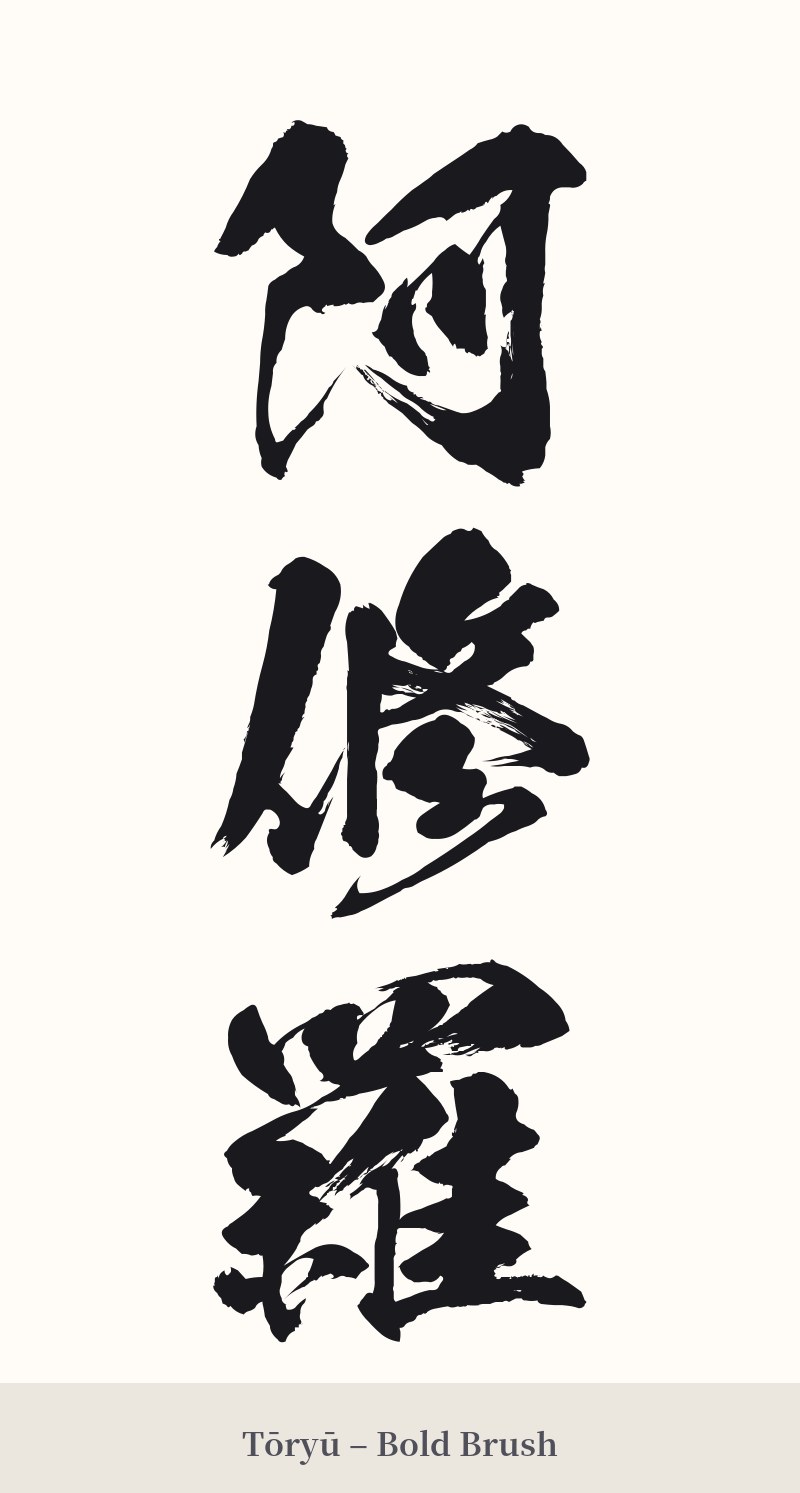
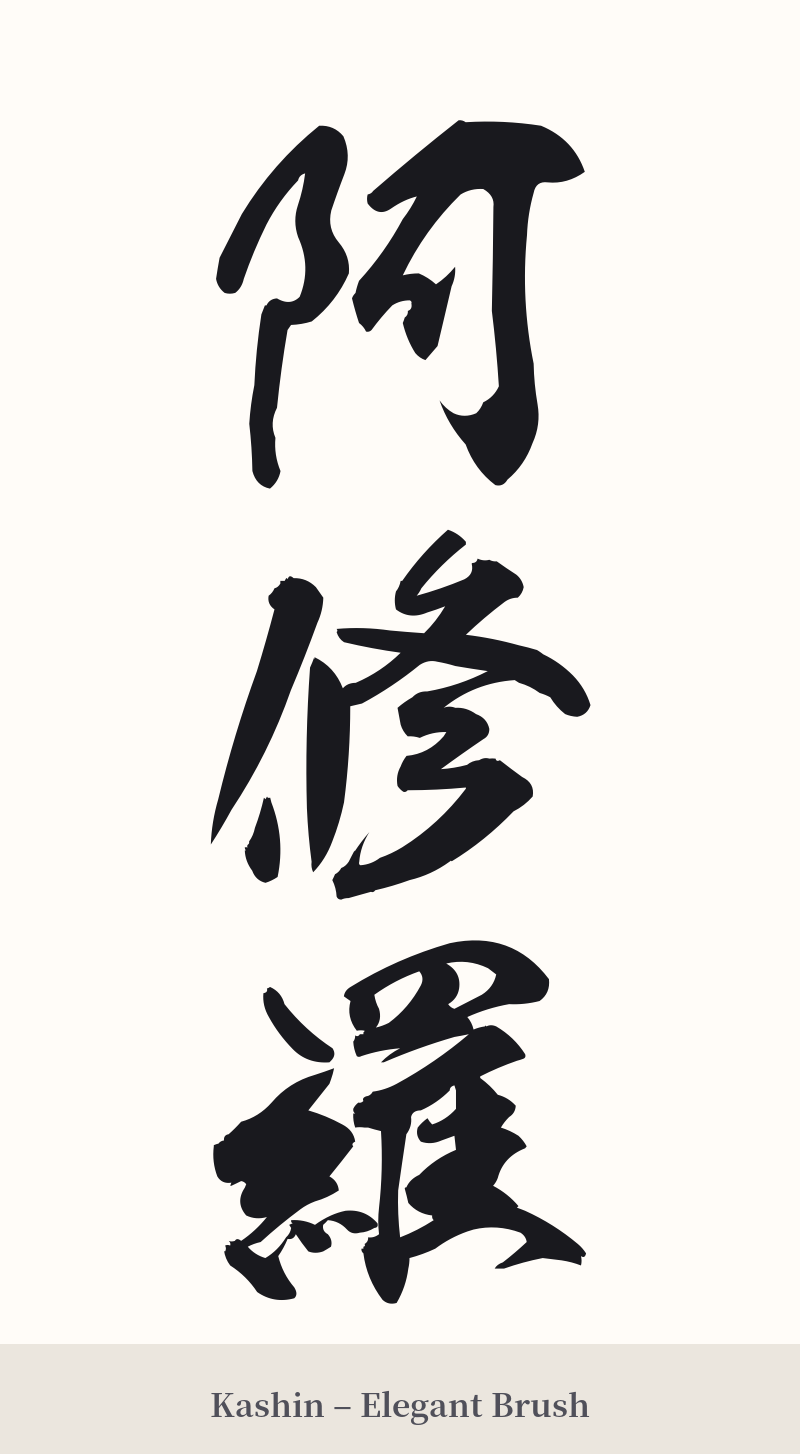
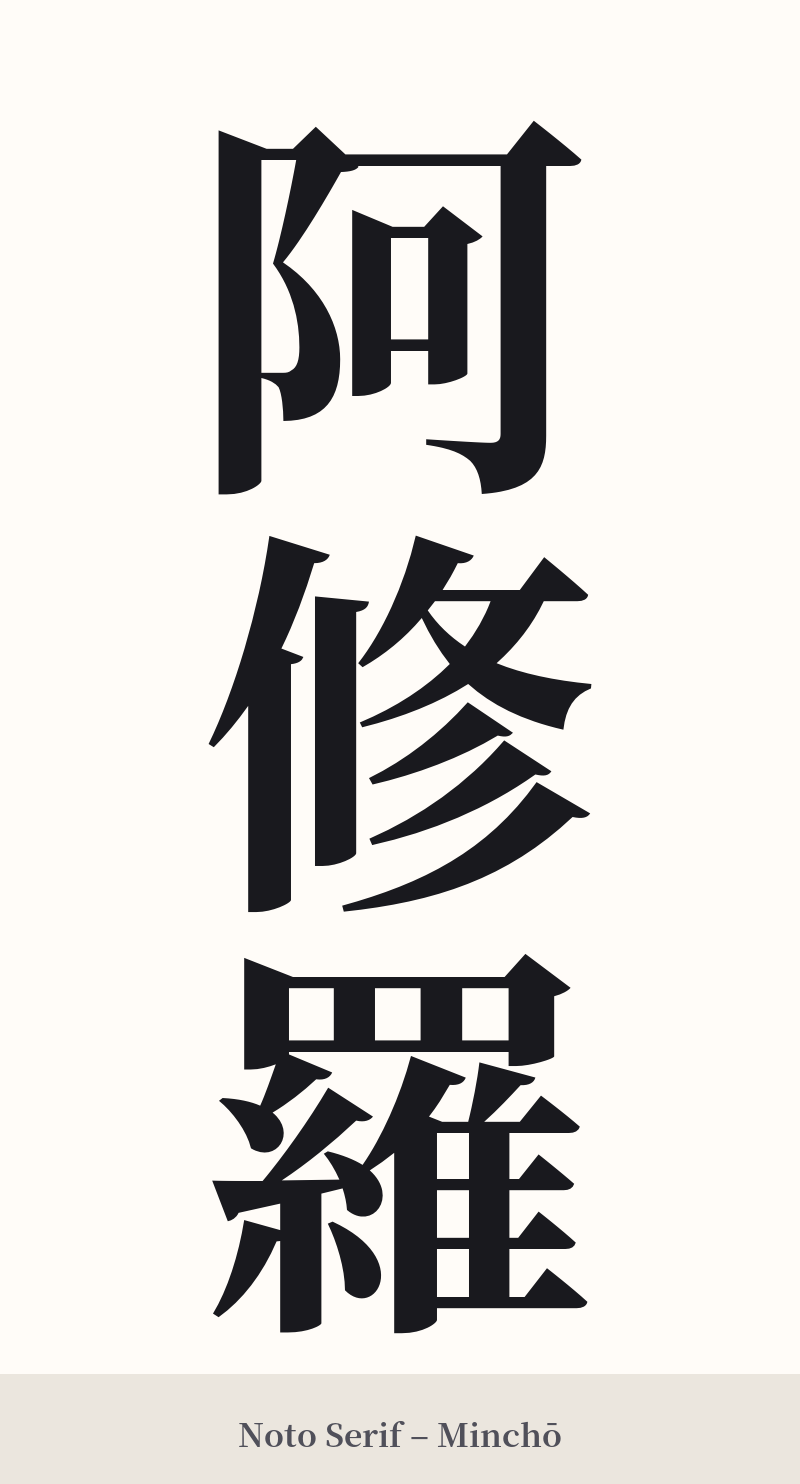
🖌️ Estilos de fuente para 阿修羅
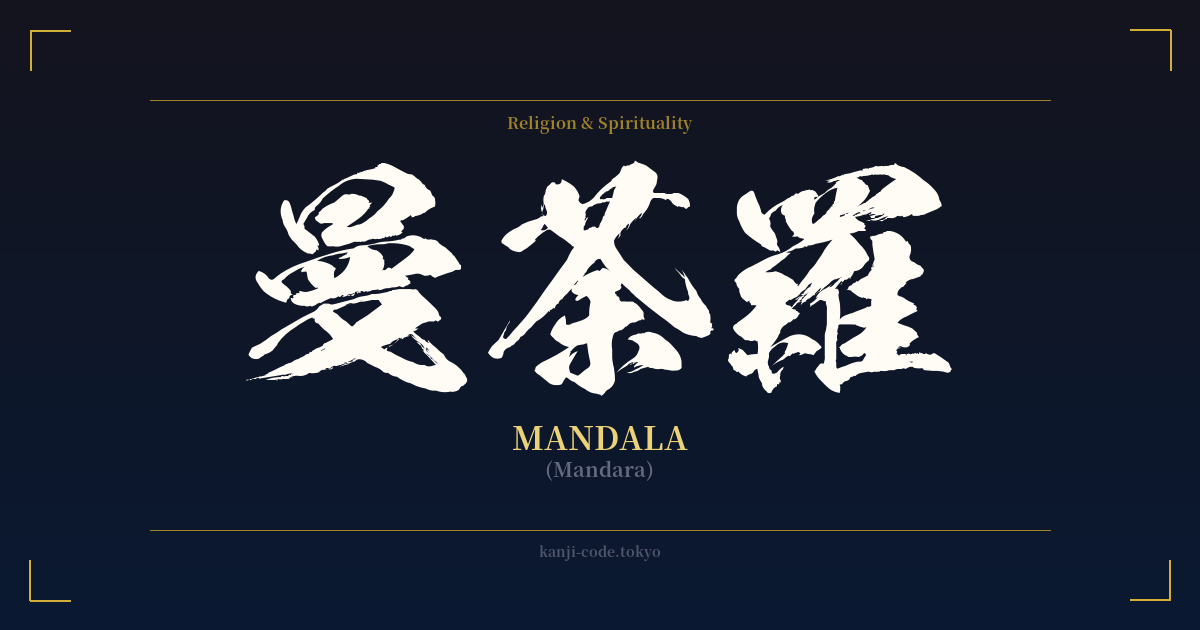
Los mismos caracteres kanji pueden verse muy diferentes según el estilo de caligrafía. Elige una fuente que se ajuste al ambiente que deseas para tu tatuaje o diseño.
🎨 Idoneidad para tatuajes
📐 Guía de diseño de tatuajes
El kanji de Ashura (阿修羅) ofrece un diseño impactante y visualmente atractivo para un tatuaje. Su estructura de tres caracteres se presta a composiciones verticales marcadas, lo que lo hace ideal para zonas como la columna vertebral, el antebrazo o la pantorrilla. Un diseño horizontal también puede ser efectivo en el pecho o la parte superior de la espalda.
Para estilos de fuente, considere estos enfoques: – Caligrafía agresiva: Un estilo de caligrafía audaz, semicursivo (gyōsho) o salvaje, indomable (sōsho) puede enfatizar la naturaleza marcial y caótica del Asura. Las salpicaduras y pinceladas toscas añaden la sensación de conflicto. – Mincho tradicional: Una fuente Mincho nítida y de bloques le da al tatuaje un aire más clásico, casi escritural. Este estilo resalta la complejidad de los caracteres, especialmente el '羅' (ra) final. – Ilustración personalizada: Integre el kanji con imágenes del propio Asura. Esto podría ser una figura de guerrero de múltiples brazos detrás de los caracteres, o hacer que el kanji aparezca dentro de nubes arremolinadas, llamas o armas rotas para construir una escena.
Dada la complejidad del carácter final, es fundamental trabajar con un artista con experiencia en kanji japonés. El tatuaje debe ser lo suficientemente grande para asegurar que los 19 trazos de '羅' se mantengan nítidos y no se difuminen con el paso del tiempo.
Comentarios