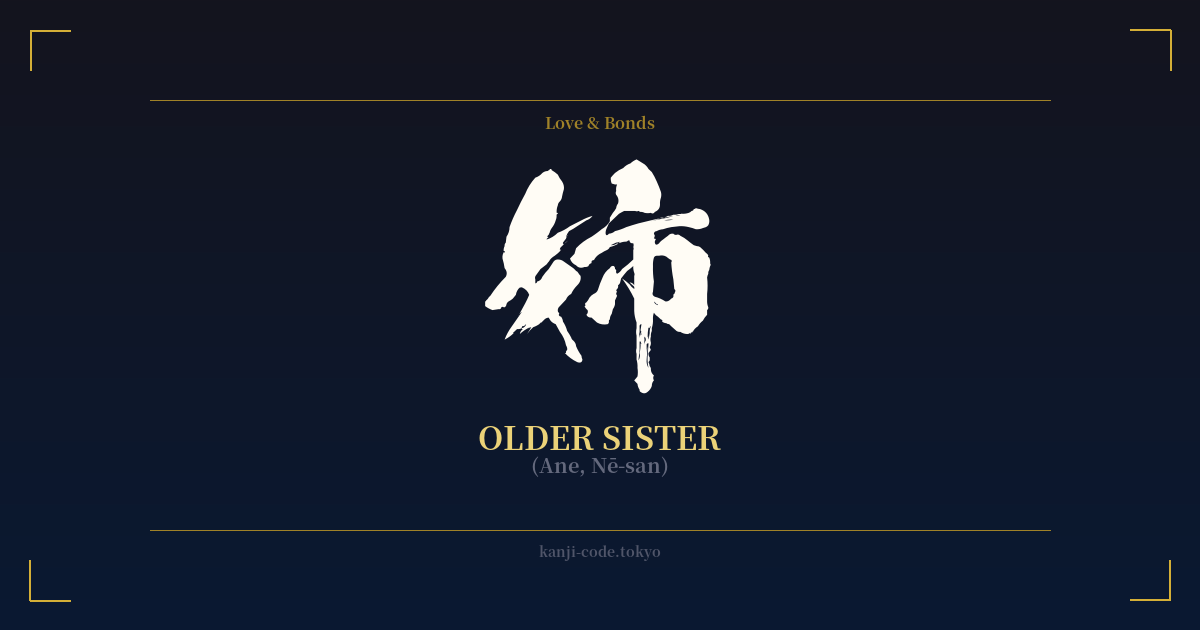
✍️ 姉 (Ane, Nē-san) — Cultural Context
The kanji 姉 (ane) is more than just a word for 'older sister'; it is a cultural symbol deeply embedded in the Japanese concept of family, hierarchy, and affection. It represents a specific and respected role within the family unit, carrying connotations of responsibility, guidance, and care.
The character itself is a phono-semantic compound, composed of the radical 女 (onna), meaning 'woman,' on the left, and 市 (shi), which originally depicted a market or town and provides the phonetic component. This combination creates a character that is visually balanced and directly linked to its female identity.
In Japanese culture, the relationship with one's older sister is defined by a nuanced system of address. When speaking about your own older sister to others, you use the humble term 'ane' (姉). However, when addressing your sister directly or speaking of someone else's, the respectful term 'onēsan' (お姉さん) is used. More affectionate, informal options like 'nē-chan' (ねえちゃん) also exist, highlighting the blend of respect and intimacy inherent in the relationship. This linguistic distinction is crucial and reflects the importance of social context in Japanese communication.
The 'ane' figure is a prominent archetype in Japanese literature, film, and anime. She is often portrayed as the 'shikkari-mono'—the reliable, mature, and responsible one who looks after her younger siblings, sometimes acting as a surrogate mother. She can be a source of wisdom, a protector, or a confidante. This cultural portrayal reinforces the idea that an older sister is not just a sibling, but a pillar of support within the family.
Beyond the immediate family, the concept extends metaphorically into broader society. The term 'anego' (姉御) or 'aneki' (姉貴) is used to refer to a respected senior female, like a female boss in the workplace or a leading figure in a yakuza film. In this context, 'ane' signifies a woman who commands respect through her experience, strength, and leadership, much like an older sister in a family. This demonstrates the powerful and positive associations tied to this single character.
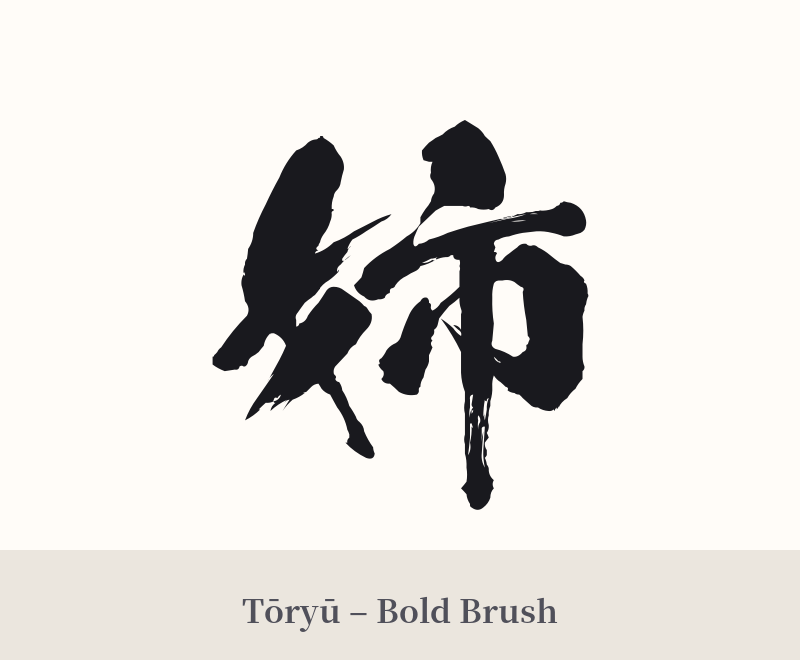
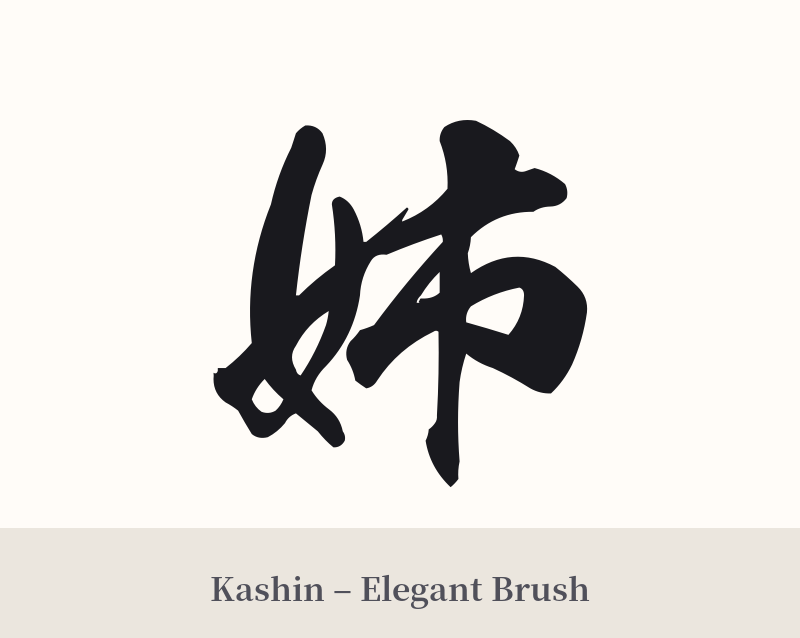
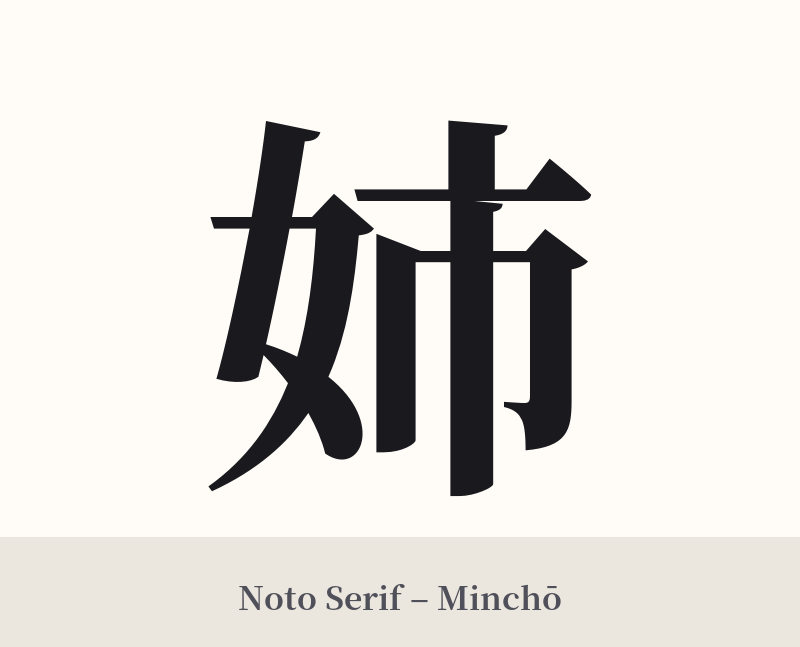
🖌️ Font Styles for 姉
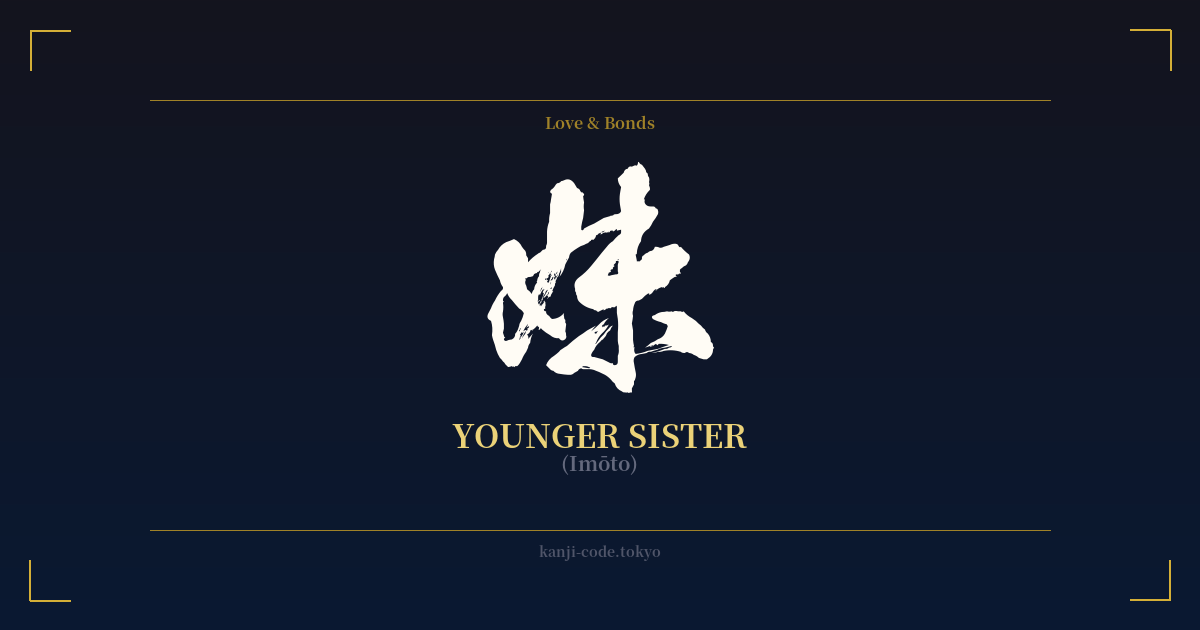
The same kanji can look dramatically different depending on the calligraphy style. Choose a font that matches the mood you want for your tattoo or design.
🎨 Tattoo Suitability
📐 Tattoo Design Guide
A tattoo of 姉 is a deeply personal statement, best suited for designs that reflect its intimate and respectful nature.
– Placement: Consider areas that feel personal and close to you. The inner wrist, forearm, the area over the heart, or the back of the neck are excellent choices that complement the meaning of family bonds.
– Font Style: A delicate, clean font like a Mincho or Kaisho script emphasizes the elegance and respect associated with an older sister. For a more personal touch, a shodō (calligraphy) style that feels like a personal signature can represent the unique bond you have with your sister.
– Visual Tips: To add context and avoid the feeling of incompleteness, consider pairing 姉 with another element. You could place it next to 妹 (imōto – younger sister) for a matching tattoo, or incorporate a small, meaningful symbol like a flower from her birth month, a protective knot, or a bird. Avoid overly aggressive or blocky fonts, as they can clash with the kanji's gentle and caring connotation.
Comments