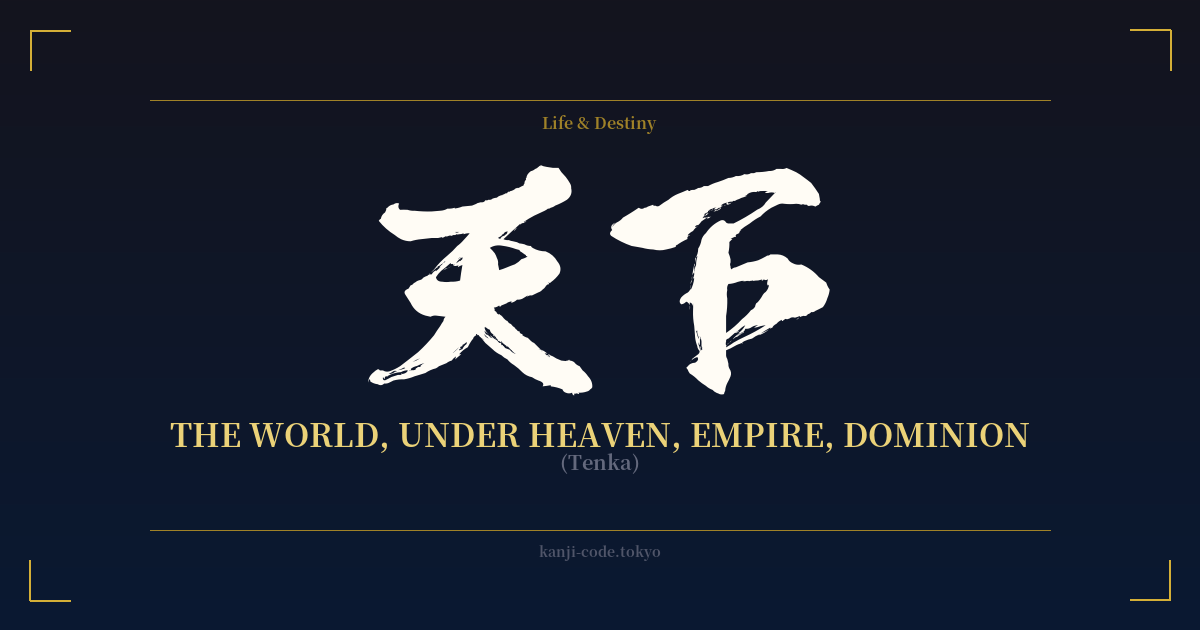
✍️ 天下 (Tenka) — Contexto cultural
La palabra 天下 (Tenka) se traduce literalmente como 'bajo el cielo'. Este concepto tiene su origen en la antigua filosofía china, donde se creía que el Emperador, el 'Hijo del Cielo', gobernaba todo el mundo civilizado que existía bajo la bóveda celeste. No se trataba simplemente de un término geográfico, sino de un mandato político y divino que significaba la totalidad del reino bajo una sola autoridad soberana.
En Japón, el término cobró vida propia, quedando inseparablemente ligado al tumultuoso período Sengoku Jidai, el período de los Estados Combatientes de los siglos XV y XVI. Durante esta época de incesantes guerras civiles, Japón se dividió en decenas de dominios gobernados por daimyō (señores feudales) rivales. Para estos ambiciosos líderes, el máximo galardón era el Tenka Tōitsu (天下統一): la unificación del reino bajo una sola espada.
La figura más famosa asociada a esta ambición es Oda Nobunaga, el primero de los tres grandes unificadores de Japón. Es célebre que utilizara un sello con la inscripción 'Tenka Fubu' (天下布武), que suele traducirse como 'el mundo entero bajo el poder militar'. Esto no era un llamamiento a la conquista mundial, sino una declaración de su intención de pacificar y unificar todo Japón por la fuerza. Para Nobunaga, y sus sucesores Toyotomi Hideyoshi y Tokugawa Ieyasu, lograr el 'Tenka' fue la obra de su vida.
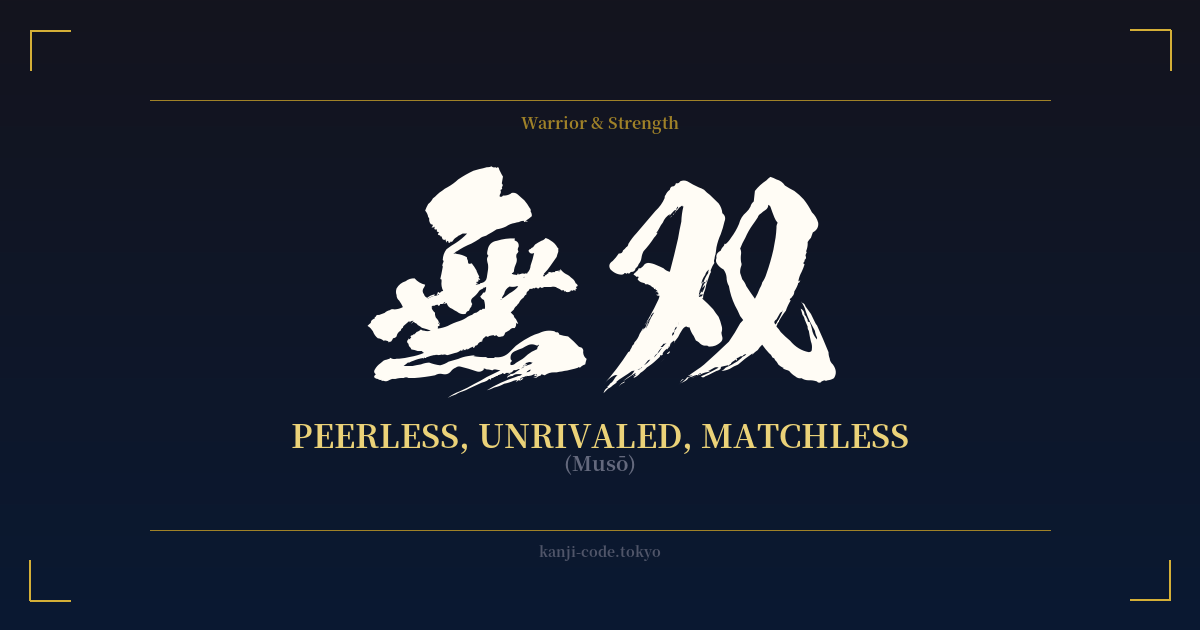
Debido a esta historia, 天下 está impregnado del espíritu samurái, evocando imágenes de grandes estrategias, batallas decisivas y la férrea voluntad necesaria para imponer orden en el caos. Representa la cúspide del poder terrenal y la ambición de conquistarlo. Si bien en japonés moderno puede significar simplemente 'el mundo' o 'el público', su peso histórico siempre está presente. Frases como 'Tenka Musō' (天下無双), que significa 'sin rival bajo el cielo', aún conservan esta cualidad épica y legendaria.
Comprender 天下 es comprender un factor clave de la historia japonesa: la búsqueda incesante de la unidad y el control sobre el archipiélago. Es una palabra que habla de destino, poder y el sueño de someter al mundo entero, tal como lo conoces, a tu dominio.
🖌️ Estilos de fuente para 天下
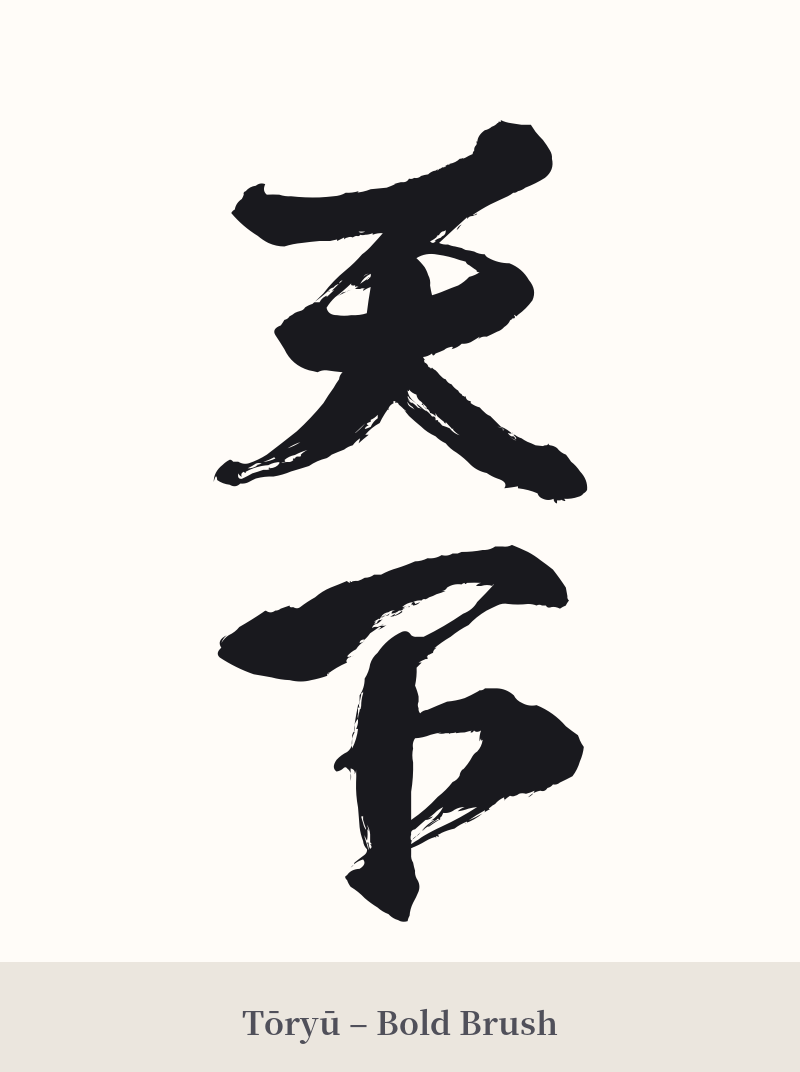
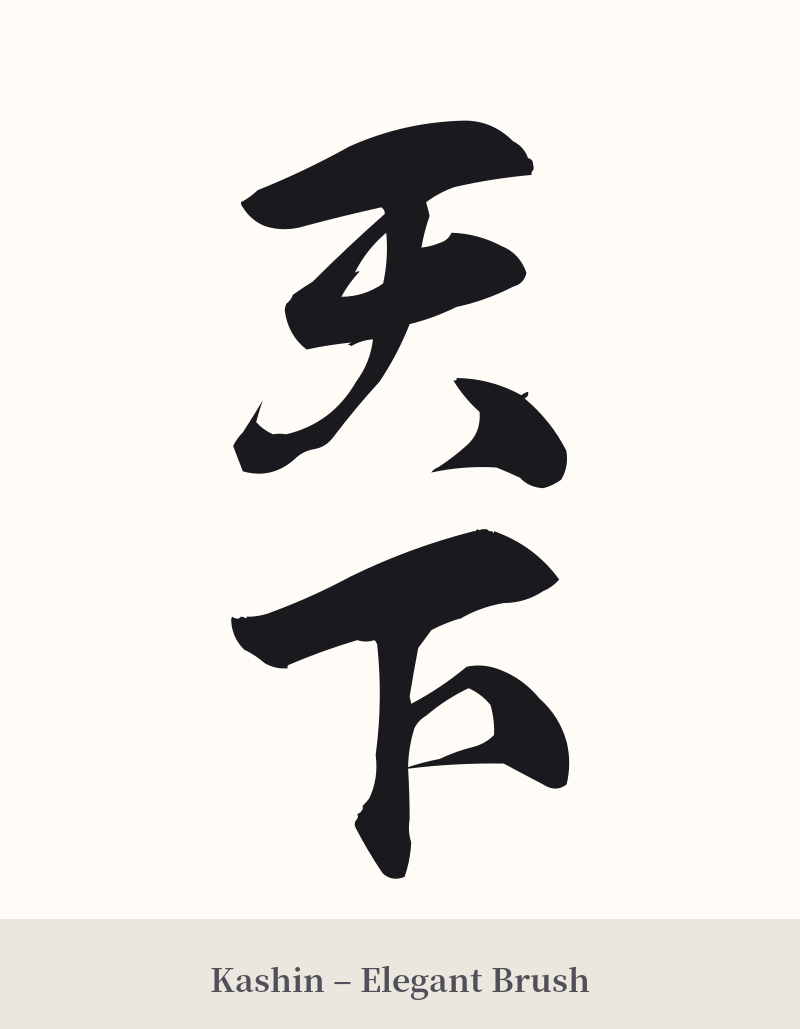
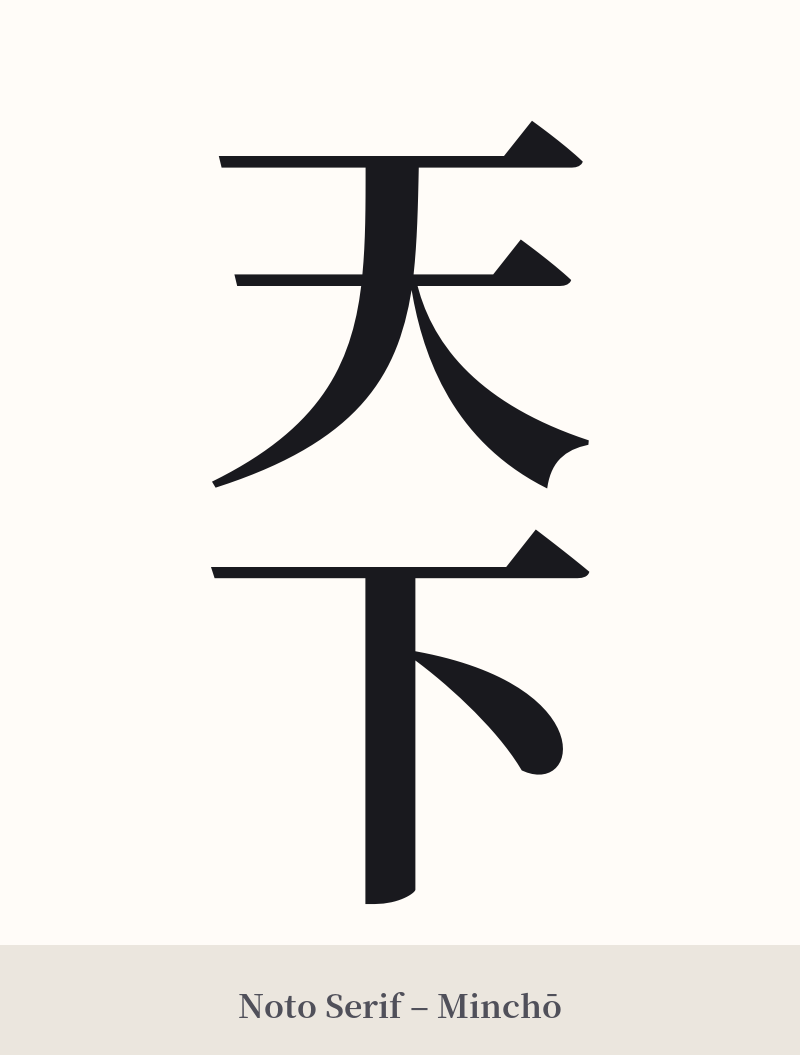
Los mismos caracteres kanji pueden verse muy diferentes según el estilo de caligrafía. Elige una fuente que se ajuste al ambiente que deseas para tu tatuaje o diseño.
🎨 Idoneidad para tatuajes
📐 Guía de diseño de tatuajes
Para un tatuaje de 天下, el diseño debe reflejar su poder inherente y su peso histórico.
– Ubicación: Esta pieza es toda una declaración de estilo. Considere ubicaciones prominentes y llamativas como el antebrazo (orientado verticalmente), la parte superior de la espalda entre los omóplatos, el pecho o la parte posterior de la pantorrilla. La orientación vertical es tradicional y visualmente impactante para este compuesto de dos kanji.
Estilo de fuente: Se recomiendan fuentes en negrita y claras. El estilo Kaisho (escritura de imprenta) estándar resalta su autoridad y legibilidad. Para un estilo más dinámico y clásico, la escritura Gyosho (semicursiva) puede añadir dinamismo y un toque histórico, que recuerda a la caligrafía samurái.
Consejos visuales: El símbolo 天下 es lo suficientemente poderoso como para lucir por sí solo. Su sencillez es una fortaleza. Sin embargo, puede integrarse en un diseño más amplio. Combinarlo con un kabuto (casco samurái), un escudo familiar (kamon) o un dragón puede realzar su simbolismo marcial y su fuerza. Evite estilos demasiado delicados o complejos que resten impacto a su contundencia.
Comentarios