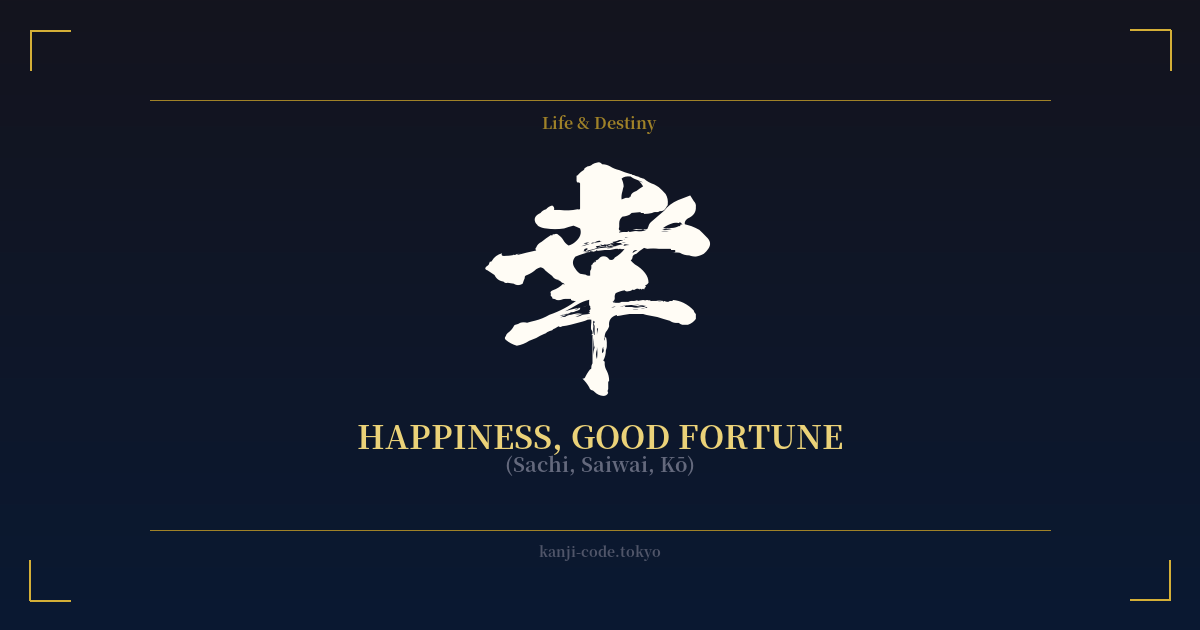
✍️ 幸 (Sachi, Saiwai, Kō) - Contexto cultural
El kanji 幸 (sachi, saiwai) es uno de los caracteres más apreciados y omnipresentes del idioma japonés, símbolo de una aspiración positiva pura. Se ve por todas partes: en tarjetas de Año Nuevo que desean un año lleno de buena fortuna (幸多き年, sachi ōki toshi), en discursos de boda que celebran la felicidad de una pareja (幸せ, shiawase), e integrado en innumerables nombres propios como Sachiko (幸子, niña de la fortuna) o Miyuki (美幸, bella fortuna).
Su presencia en la vida cotidiana sugiere un concepto simple y luminoso. Sin embargo, el origen del personaje revela una filosofía mucho más oscura y profunda. Etimológicamente, 幸 deriva de antiguos pictogramas de esposas o grilletes escritos en huesos oraculares. Este símbolo de restricción y castigo parece la antítesis misma de la felicidad, pero su evolución es la clave de su significado.
En los sistemas jurídicos antiguos, el castigo podía variar desde multas hasta la mutilación física o la ejecución. Si una persona cometía un delito y era condenada simplemente a ser encadenada, se había librado de un destino mucho peor. Seguía viva, su cuerpo intacto. Este alivio, esta salvación por los pelos, era la forma original de 'buena fortuna'. La felicidad, en este contexto antiguo, no era la presencia de alegría, sino la ausencia de un desastre total. Era un profundo sentimiento de gratitud por haberse salvado.
Esta historia de origen se resume a la perfección en el proverbio japonés 不幸中の幸い (fukōchū no saiwai), que se traduce como 'un golpe de suerte en medio de la desgracia' o 'una bendición disfrazada'. Refleja una visión del mundo madura y resiliente, donde la felicidad no es un estado constante, sino un resultado valioso, a menudo definido por las dificultades que supera. El carácter 幸 nos recuerda que la verdadera satisfacción reside en apreciar lo que tenemos, reconociendo lo que podríamos haber perdido.
En el japonés moderno, el matiz persiste. La palabra 幸せ (shiawase) generalmente se refiere a un sentimiento personal y subjetivo de felicidad y satisfacción en la vida. La lectura 幸 (sachi), por otro lado, suele conllevar la idea de una bendición mayor, una fortuna más profunda o un regalo del destino. Si bien ambas provienen del mismo carácter, capturan diferentes matices de un estado universalmente deseado, arraigado en la profunda comprensión cultural de que la luz brilla con mayor intensidad cuando contrasta con la sombra.
🖌️ Estilos de fuente para 幸
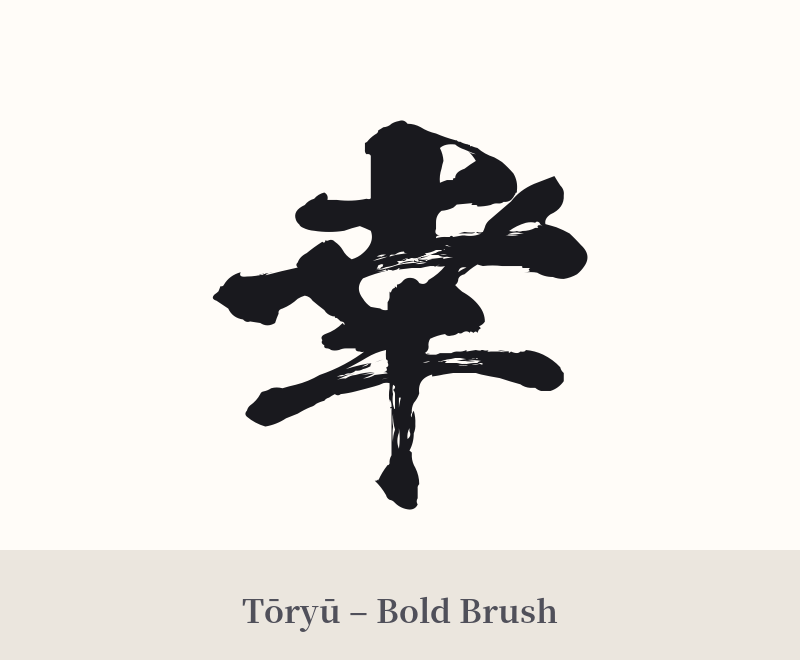
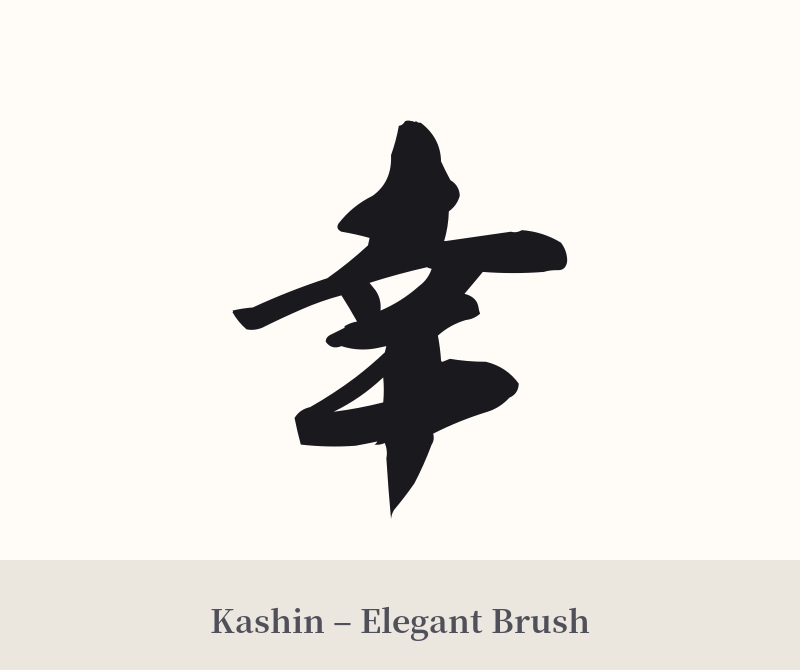
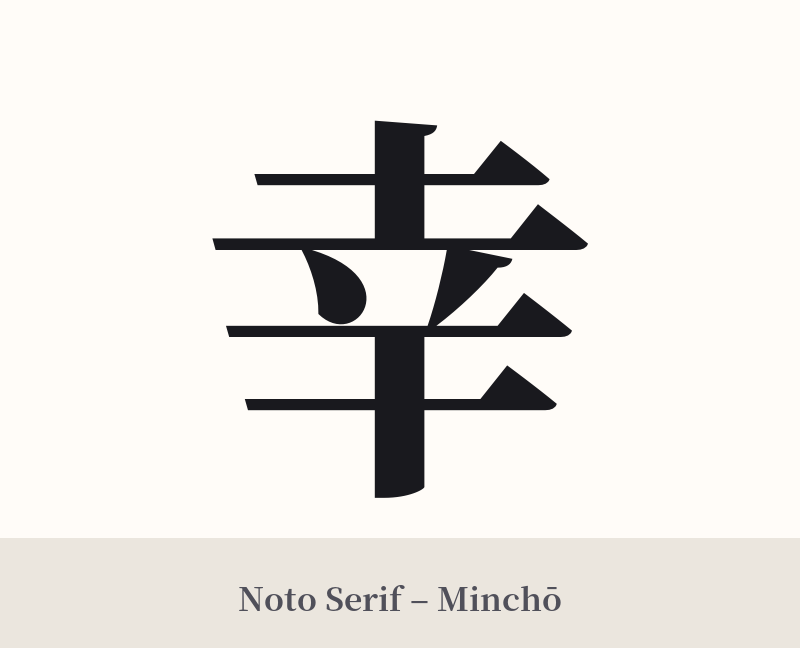
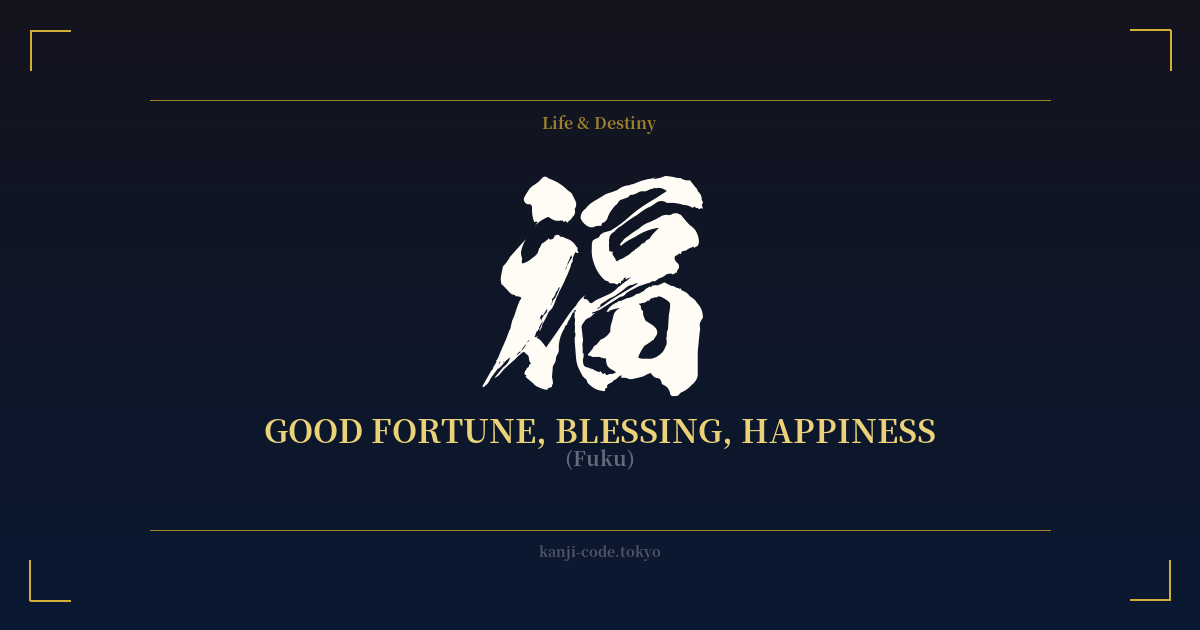
Los mismos caracteres kanji pueden verse muy diferentes según el estilo de caligrafía. Elige una fuente que se ajuste al ambiente que deseas para tu tatuaje o diseño.
🎨 Idoneidad para tatuajes
📐 Guía de diseño de tatuajes
El kanji 幸 es una excelente opción para un tatuaje debido a su significado positivo y su estética limpia. Su simplicidad permite una gran versatilidad en el diseño.
– Ubicación: Gracias a su forma compacta y equilibrada, el 幸 queda precioso en zonas pequeñas y personales como la muñeca, detrás de la oreja, en el tobillo o sobre el corazón. Para un look más llamativo, se puede tatuar en el antebrazo, el omóplato o la nuca, donde se aprecia su sencilla elegancia.
Estilos de fuente: La tipografía estándar de imprenta (Kaisho) resalta su carácter clásico y atemporal. Para un estilo más artístico y fluido, la semicursiva (Gyosho) le aporta dinamismo y personalidad. La cursiva completa (Sosho) puede convertirla en una obra de arte abstracta y única, casi como un símbolo personal.
– Combinaciones visuales: Considere combinar el símbolo 幸 con otras imágenes simbólicas. Colocarlo dentro de un círculo ensō puede representar la búsqueda de la felicidad en el ciclo de la vida. Combinarlo con una flor de cerezo (sakura) podría simbolizar la belleza, aunque efímera, de la felicidad, mientras que combinarlo con un pez koi puede representar la buena fortuna que proviene de la perseverancia.
Comentarios