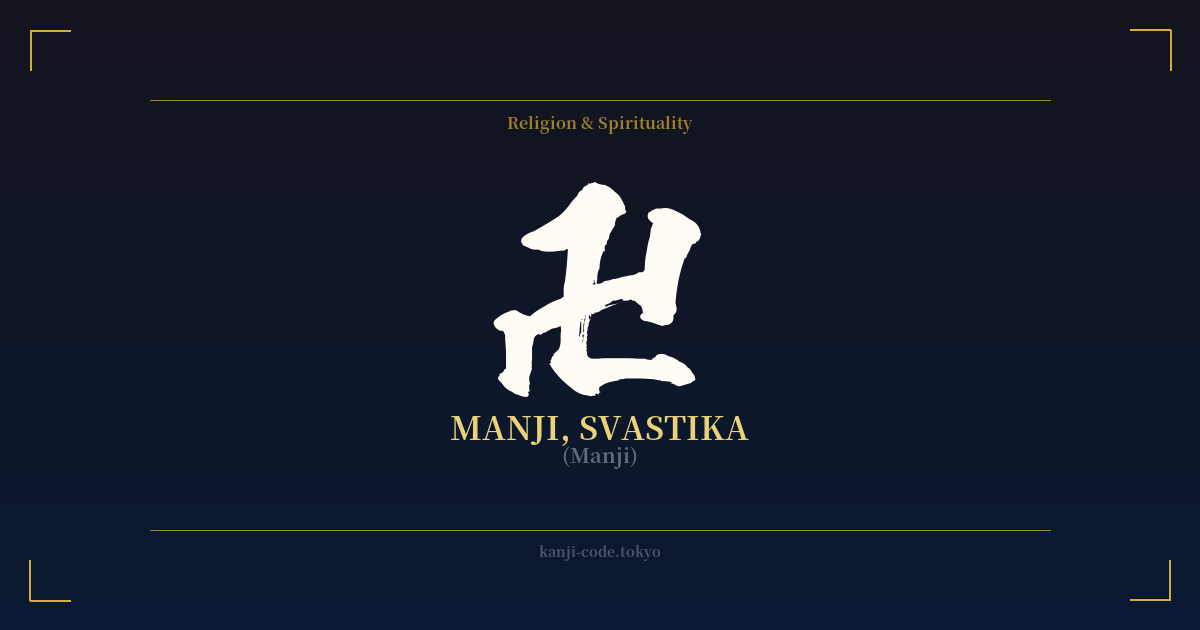
✍️ 卍 (Manji) — Contexto cultural
El 卍, o Manji, es uno de los símbolos más antiguos y poderosos del mundo, pero también uno de los más incomprendidos en la actualidad. Sus orígenes se remontan a miles de años atrás en Eurasia, apareciendo en diversas culturas mucho antes de asociarse con el budismo. En sánscrito, se conoce como svastika, palabra que significa 'bienestar', 'buena fortuna' o 'prospero'.'
Cuando el budismo se extendió por Asia Oriental, trajo consigo el Manji. En Japón, este símbolo se integró plenamente como un emblema sagrado que representa la naturaleza eterna e infinita del universo, el fluir de la vida y la esencia misma del Buda (butushin). Encarna la armonía de los opuestos y la naturaleza cíclica de la existencia. Se puede ver con frecuencia en todo Japón, sobre todo como símbolo oficial de los templos budistas en los mapas. También se utiliza como escudo familiar (kamon) y como motivo decorativo en la vestimenta y la arquitectura tradicionales.
El manji japonés (卍) suele apuntar hacia la izquierda. No guarda ninguna relación con la ideología de odio del nazismo. El partido nazi alemán se apropió de un símbolo similar, la Hakenkreuz (cruz con gancho), que suele apuntar hacia la derecha (卐) e inclinada a 45 grados. Se apropiaron de este antiguo y sagrado símbolo y lo transformaron en una marca de odio racial, guerra y genocidio.
Lamentablemente, debido al terrible legado nazi, el mundo occidental asocia principalmente este símbolo con el fascismo y el antisemitismo. Esto ha generado una profunda y dolorosa división cultural en torno a su significado. La distinción entre el Manji budista y la Esvástica nazi no se comprende ampliamente fuera de Asia, lo que provoca gran confusión y ofensa.
Este tema se convirtió en objeto de debate internacional en Japón, especialmente en el período previo a los Juegos Olímpicos de Tokio 2020. Se propuso modificar el símbolo del mapa del templo para evitar ofender a los visitantes extranjeros, quienes inevitablemente lo malinterpretarían. Si bien finalmente se mantuvo el símbolo, el debate subraya el profundo desafío que supone recuperar su significado original y positivo en un contexto global. Para cualquiera que considere este símbolo, comprender este doble contexto no solo es importante, sino esencial.
🖌️ Estilos de fuente para 卍
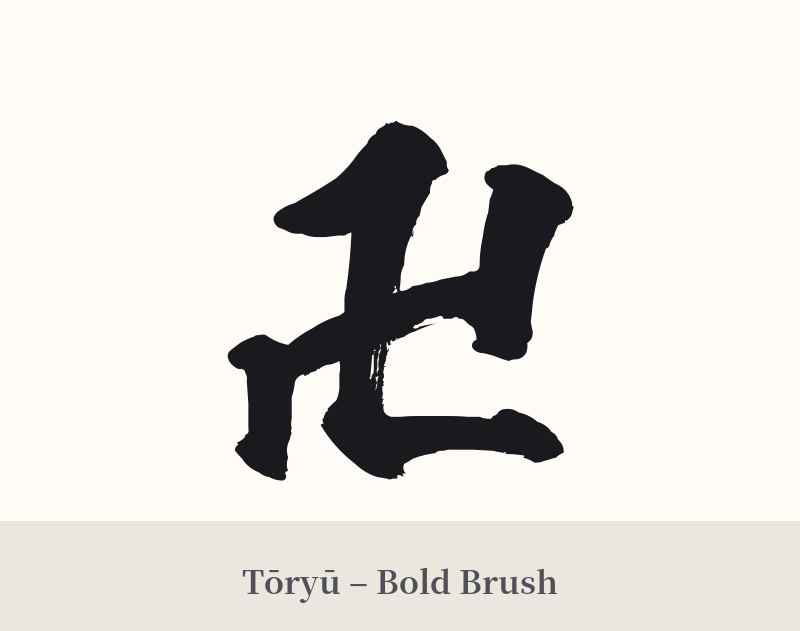
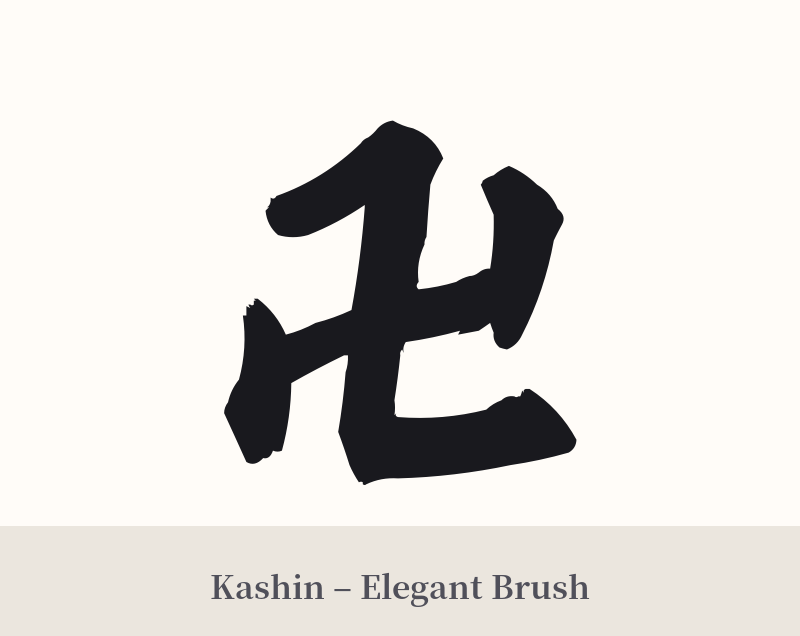
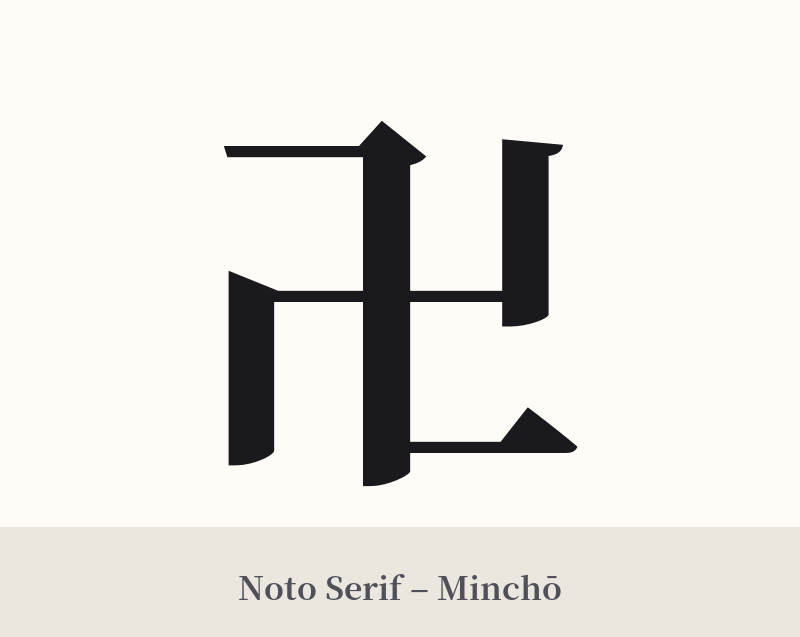
Los mismos caracteres kanji pueden verse muy diferentes según el estilo de caligrafía. Elige una fuente que se ajuste al ambiente que deseas para tu tatuaje o diseño.
🎨 Idoneidad para tatuajes
📐 Guía de diseño de tatuajes
Dado el alto riesgo de malinterpretación, se desaconseja encarecidamente tatuarse el símbolo Manji, especialmente si se reside o se viaja a países occidentales. El significado original de 'buena fortuna' o 'espiritualidad' casi con toda seguridad se perderá, siendo reemplazado por una asociación con el odio y la violencia.
Si estás absolutamente decidido a usar este símbolo para representar tu conexión con el budismo, la única manera de mitigar el riesgo es proporcionando un contexto abrumador. Considera estos puntos detenidamente:
– No uses el símbolo por sí solo. Un Manji aislado es el que tiene más probabilidades de malinterpretarse. – Incorpóralo a un diseño budista más amplio y claramente representativo. Por ejemplo, colócalo en el pecho de una figura de Buda, dentro de una flor de loto o junto a una rueda del Dharma. Este contexto es crucial para transmitir su verdadero significado espiritual. – Evita colocarlo en lugares muy visibles como las manos, el cuello o la cara. Esto solo atraerá atención no deseada y confrontación. – Prepárate para explicar su significado constantemente y para afrontar reacciones negativas de quienes no lo entiendan o no acepten la explicación.
Comentarios