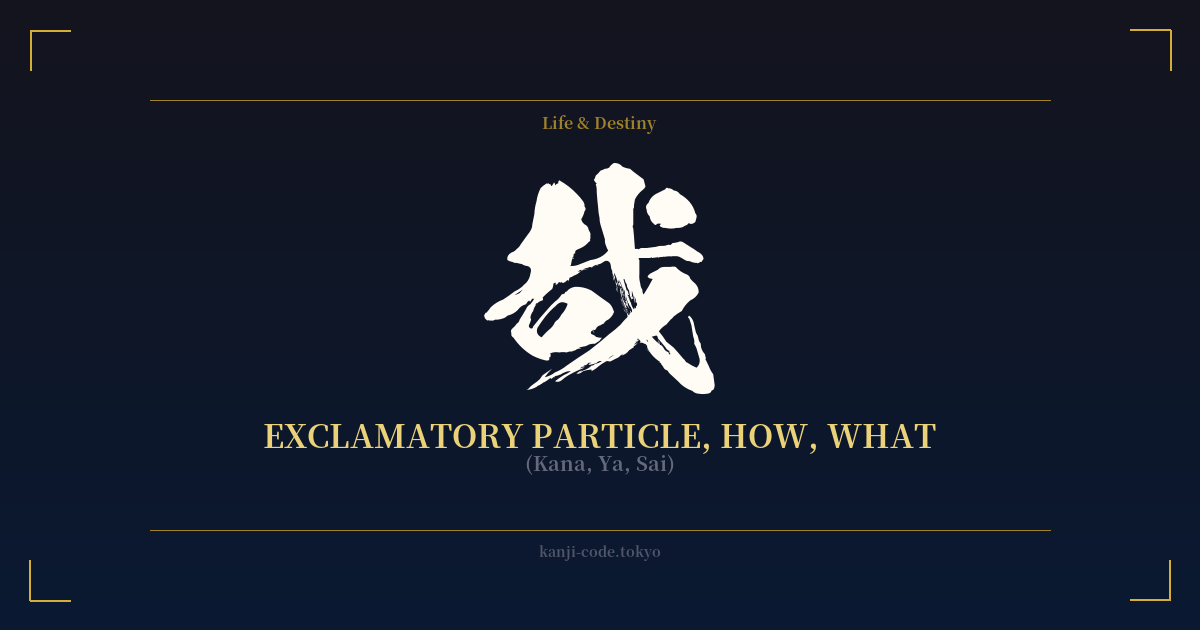
✍️ 哉 (Kana, Ya, Sai) — Contexto cultural
El kanji 哉 (kana, ya) es un carácter fascinante, pero no por su significado en sí mismo. Su poder reside en el efecto que produce en las palabras que lo rodean. En la literatura clásica japonesa, 哉 es una partícula gramatical vital, un sufijo exclamativo que inyecta una oleada de emoción —asombro, tristeza, admiración o un profundo suspiro— en una frase. Piénsalo no como una palabra, sino como la puntuación de un sentimiento.
Su función más célebre es la de kireji, o “palabra cortante”, en la poesía tradicional japonesa como el haiku y el renga. Estas palabras cortantes crean una pausa, un momento de reflexión que divide y conecta ideas dentro del poema. El famoso poeta Matsuo Bashō la utilizó con maestría. En uno de sus haikus más emblemáticos, escribe: 「静かさや 岩にしみ入る 蝉の声」 (Shizukasa ya / iwa ni shimiiru / semi no koe). El 「や」 (ya) al final del primer verso se traduce como “¡Ah, la quietud!”. No solo indica que hay silencio; establece un silencio profundo y contemplativo que llena el resto del poema: el chirrido de una cigarra que se filtra entre las rocas.
Esta es la esencia de 哉. Es una exclamación, una pregunta, una expresión de “¡Cómo…!” o “¡Qué…!”. Por ejemplo, 「偉大なるかな」 (idai naru kana) significa “¡Qué grande es!”. El 哉 intensifica la sensación de grandeza. Sin embargo, sin el contexto previo, el carácter carece de significado, como un signo de interrogación flotando sin pregunta.
En la era moderna, el uso de 哉 como conjugado final de oración se ha vuelto arcaico, limitado a textos históricos, discursos formales u obras literarias que buscan un estilo clásico. Sin embargo, este carácter ha cobrado nueva vida en un contexto diferente: los nombres propios. Se usa con mucha frecuencia en nombres masculinos, generalmente por su sonido 'ya'. Nombres como Takuya (拓哉), Tetsuya (哲哉) y Kazuya (和哉) son muy comunes. En este contexto, 哉 suele conllevar matices de interjección que expresan sentimiento o expresividad, pero su función principal es fonética.
Por lo tanto, comprender 哉 es comprender una característica clave del alma lingüística japonesa: que la emoción a menudo se expresa no mediante una palabra directa, sino a través de inflexiones y partículas sutiles que matizan todo el pensamiento. Es una característica del contexto, no del concepto.
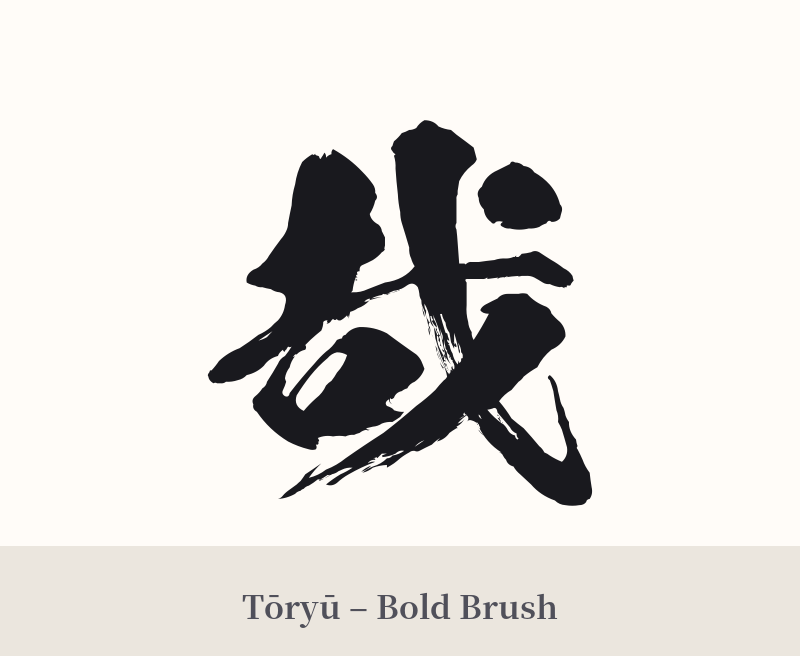
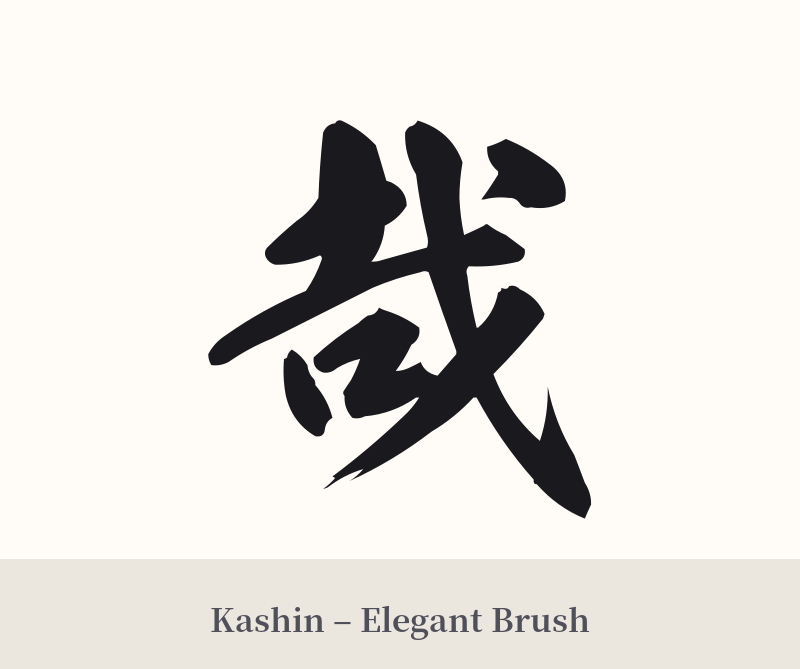
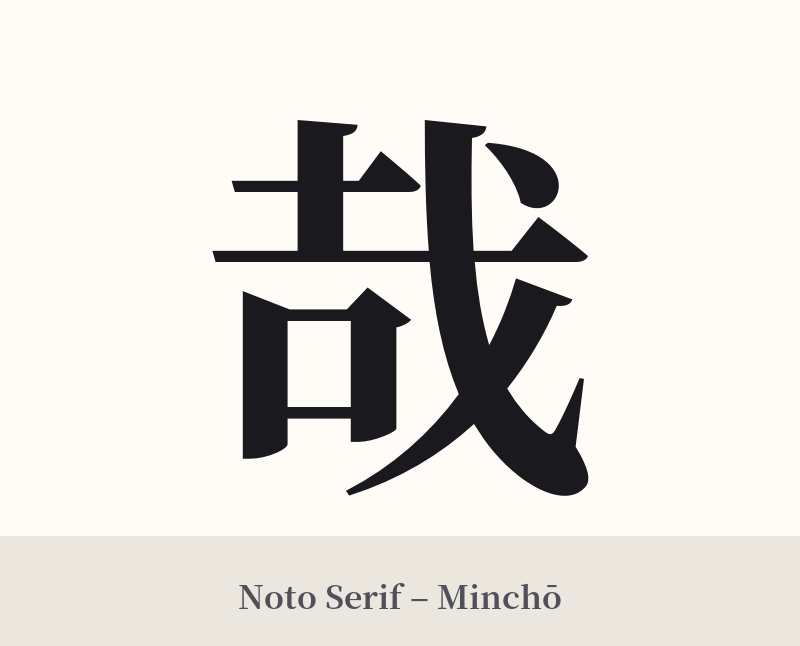
🖌️ Estilos de fuente para 哉
Los mismos caracteres kanji pueden verse muy diferentes según el estilo de caligrafía. Elige una fuente que se ajuste al ambiente que deseas para tu tatuaje o diseño.
🎨 Idoneidad para tatuajes
📐 Guía de diseño de tatuajes
Dado que 哉 es una partícula gramatical sin significado propio, se desaconseja encarecidamente usarla como tatuaje individual. Se percibiría como incompleto o gramaticalmente incorrecto. Sin embargo, si tiene un significado personal, como formar parte de un nombre, tenga en cuenta lo siguiente:
– La combinación es clave: la mejor manera de usar 哉 es combinarlo con otros kanji para formar un nombre propio o una frase clásica. No lo uses de forma aislada.
– La imagen prima sobre el significado: Si te atrae únicamente su forma, ten en cuenta que su significado por sí solo es nulo. El carácter presenta un equilibrio armonioso con nueve trazos, destacando el radical de la alabarda (戈) a la derecha, que le aporta un toque de nitidez.
– Estilo de fuente: Un estilo clásico y caligráfico como Gyosho (semicursiva) o Sosho (cursiva) honraría sus orígenes literarios. Para una apariencia más limpia en un nombre, una fuente Mincho (con serifa) nítida sería apropiada.
– Ubicación: Como parte de una frase o nombre más extenso, podría incorporarse a un texto vertical en el brazo, la espalda o las costillas. Como carácter individual, carece de la relevancia conceptual necesaria para una ubicación destacada.
Comentarios