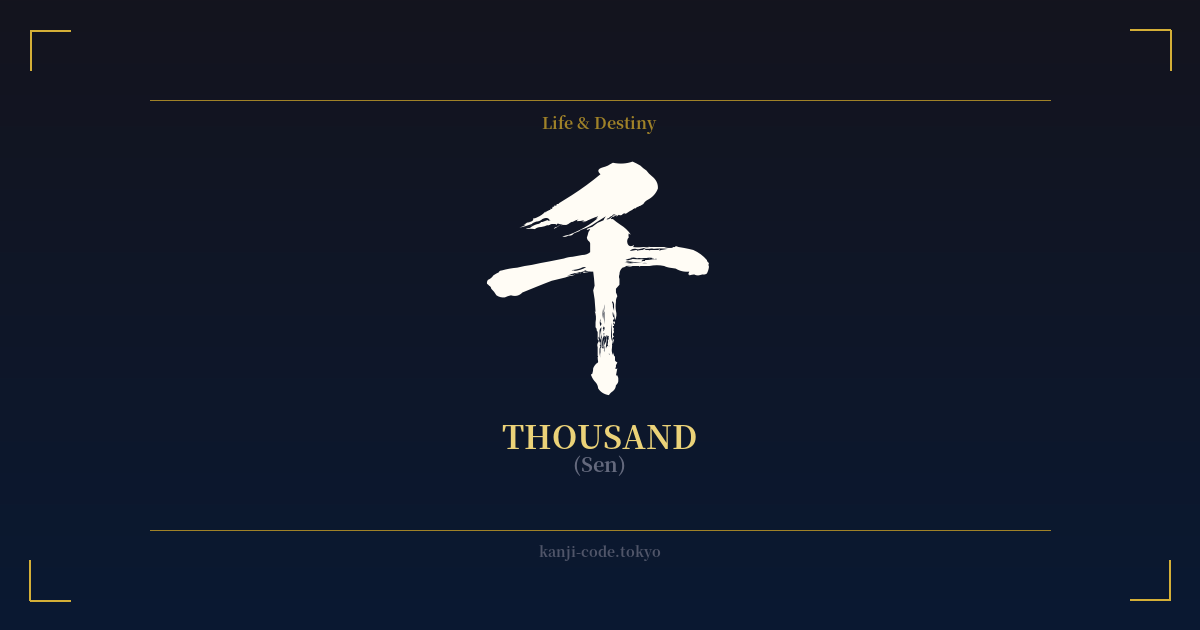
✍️ 千 (Sen) — Contexto cultural
El kanji 千 (sen) es mucho más que el número 1000 en japonés. Encarna un profundo concepto de inmensidad, abundancia y el transcurso de vastos periodos de tiempo. Si bien su significado literal es sencillo, su peso cultural se manifiesta en innumerables expresiones, tradiciones y nombres, convirtiéndolo en un símbolo de gran profundidad y significado.
El origen de este carácter es maravillosamente sencillo. Es una combinación del radical de 'persona' (人) y el número 'uno' (一). Una interpretación sugiere que representa a una persona dando un solo paso, idea que, con el tiempo, se extiende para representar una gran cantidad o distancia. Este humilde comienzo florece en un carácter que simboliza desde un largo viaje hasta una bendición eterna.
Uno de los proverbios japoneses más famosos, 「千里の道も一歩から」 (Senri no michi mo ippo kara), utiliza este kanji. Se traduce como "Un viaje de mil millas comienza con un solo paso". Este dicho resume las virtudes japonesas de la perseverancia, la paciencia y la comprensión de que los grandes logros se construyen a partir de esfuerzos pequeños y constantes.
Otro referente cultural importante es la tradición del Senbazuru, o el plegado de mil grullas de origami. Según la leyenda, quien pliegue mil grullas verá cumplido un deseo, generalmente relacionado con la recuperación de una enfermedad, una larga vida o la paz mundial. Esta práctica alcanzó reconocimiento internacional gracias a la historia de Sadako Sasaki, una joven que sobrevivió al bombardeo atómico de Hiroshima y plegó grullas con la esperanza de sanar. Hoy en día, las guirnaldas de grullas de colores son un símbolo universal de esperanza, paz y esfuerzo colectivo.
El concepto de 'mil años' o 'mil generaciones' (千代, chiyo) es un tema recurrente en el arte y la literatura japoneses, que simboliza la eternidad y un legado perdurable. Incluso aparece en el himno nacional japonés, "Kimigayo", que desea que el reinado del emperador dure mil, incluso ocho mil, generaciones.
En los nombres, la lectura "Chi" es común, aportando una sensación de profundidad e historia. El nombre Chihiro (千尋), famoso por ser el de la protagonista de "El viaje de Chihiro" de Studio Ghibli, significa "mil brazas", evocando una gran profundidad. Chiyo (千代) significa "mil generaciones", un hermoso nombre que desea una vida larga y próspera.
En definitiva, 千 representa el poder de la multiplicidad. No es solo un número, sino un concepto: mil bendiciones, mil años, mil posibilidades. Nos recuerda que de la unidad pueden surgir muchas cosas, y que el verdadero significado reside a menudo en lo vasto, lo perdurable y lo construido a lo largo del tiempo.
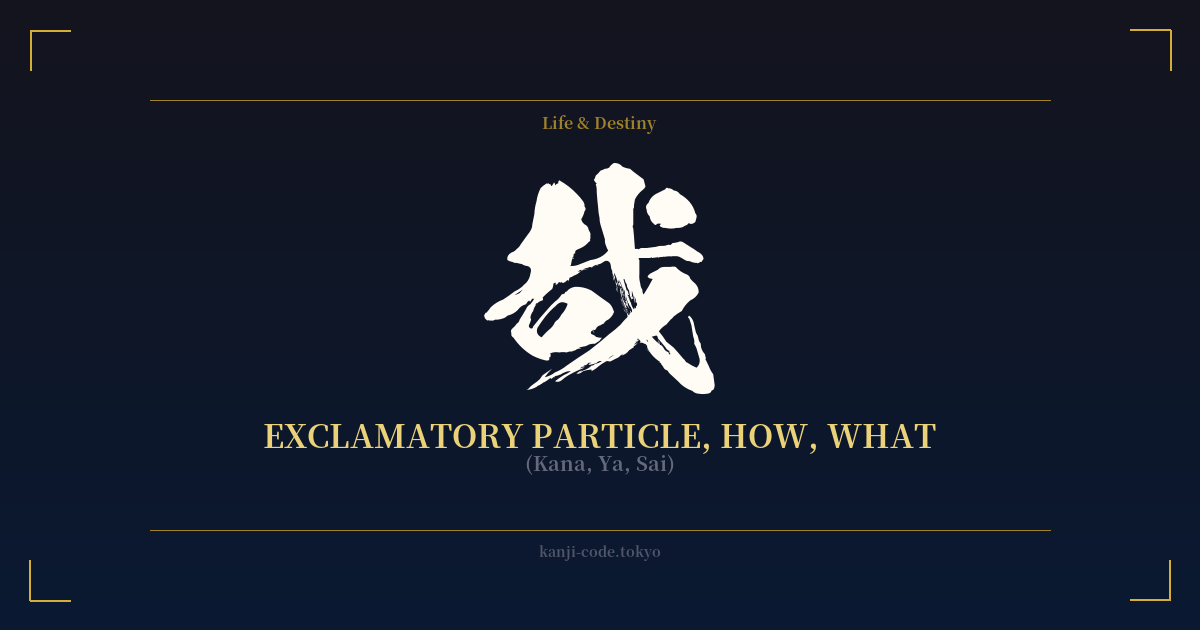
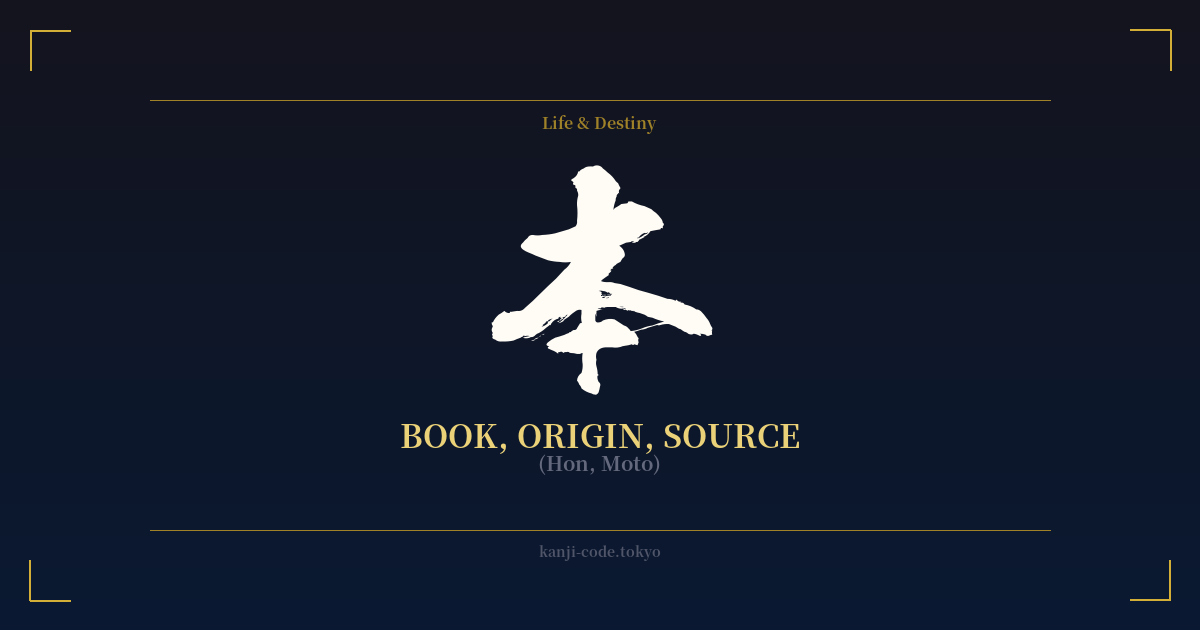
🖌️ Estilos de fuente para 千
Los mismos caracteres kanji pueden verse muy diferentes según el estilo de caligrafía. Elige una fuente que se ajuste al ambiente que deseas para tu tatuaje o diseño.
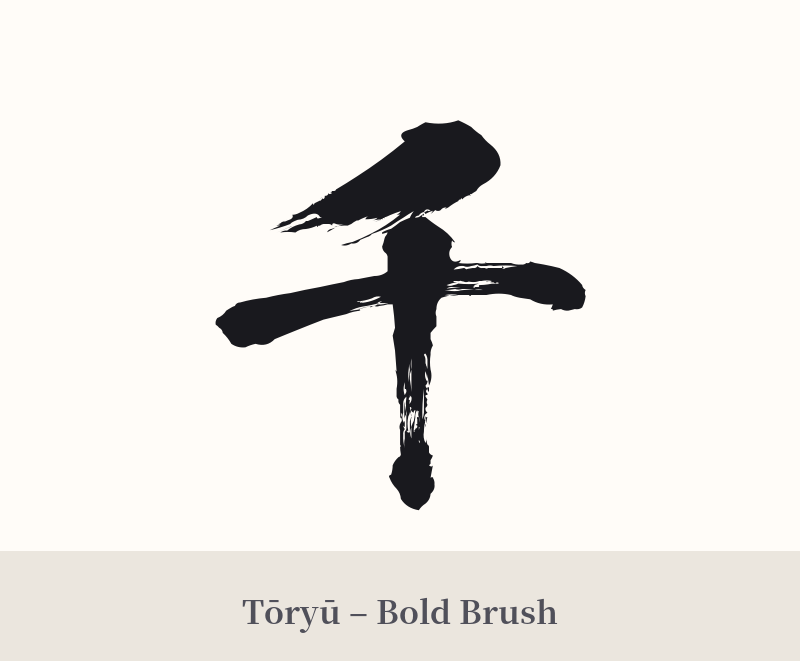
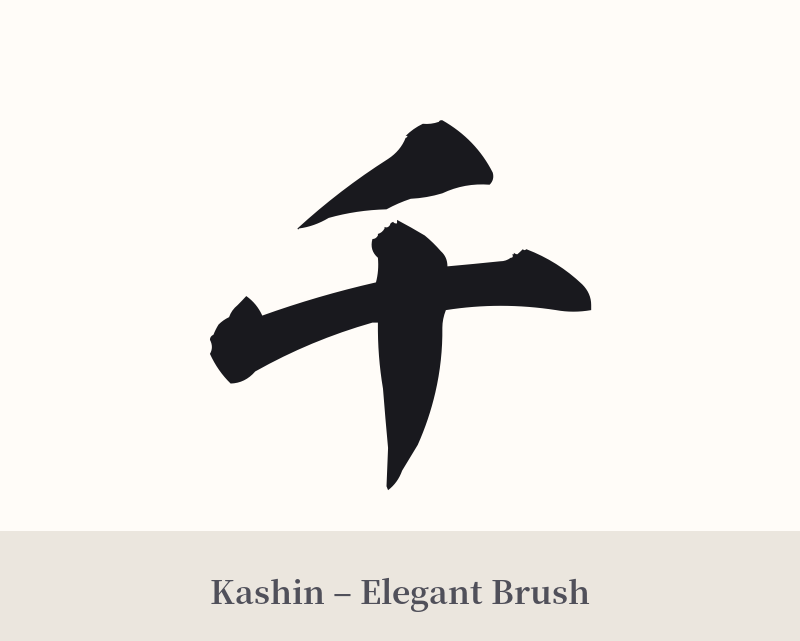
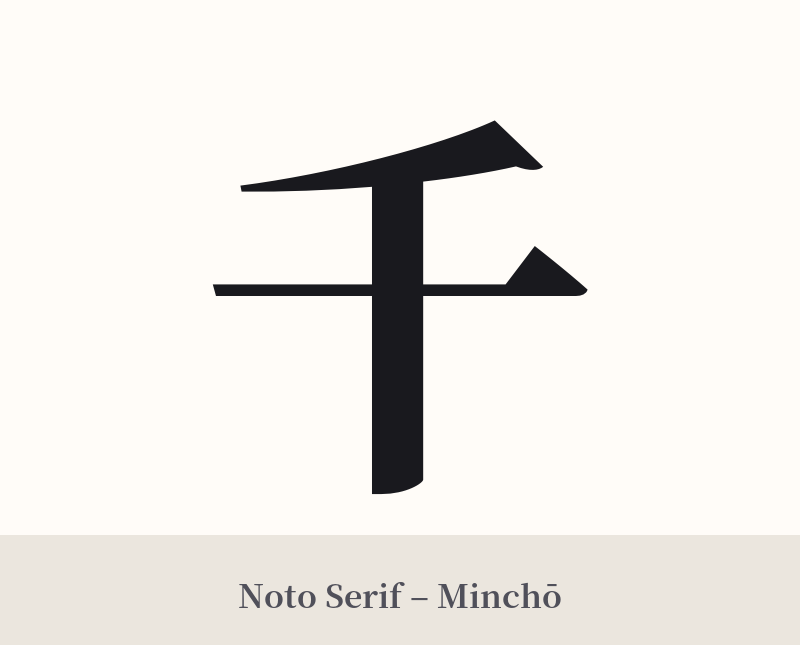
🎨 Idoneidad para tatuajes
📐 Guía de diseño de tatuajes
El kanji 千 (sen) es un carácter versátil para el diseño de tatuajes debido a sus líneas limpias y su estructura simple.
– Ubicación: Su sencillez lo hace ideal para lugares pequeños y discretos como la muñeca, detrás de la oreja o en el tobillo. Para un look más llamativo, se puede colocar en el antebrazo o la nuca, donde se aprecia su elegante forma.
Estilo: Un enfoque minimalista funciona excepcionalmente bien. Una tipografía 'Kaisho' (de imprenta) limpia y nítida resalta su estructura equilibrada. Para un estilo más personal y fluido, la tipografía 'Gyōsho' (semicursiva) o 'Sōsho' (cursiva) puede añadir un toque artístico y dinamismo.
– Elementos visuales: Considere combinar 千 con una grulla de origami (tsuru) para evocar directamente el simbolismo esperanzador de 'Senbazuru'. También puede integrarse en una pieza más grande, tal vez como parte del proverbio 'Senri no michi mo ippo kara', o colocarse sutilmente dentro de un paisaje de montañas u olas para representar la inmensidad.
Comentarios