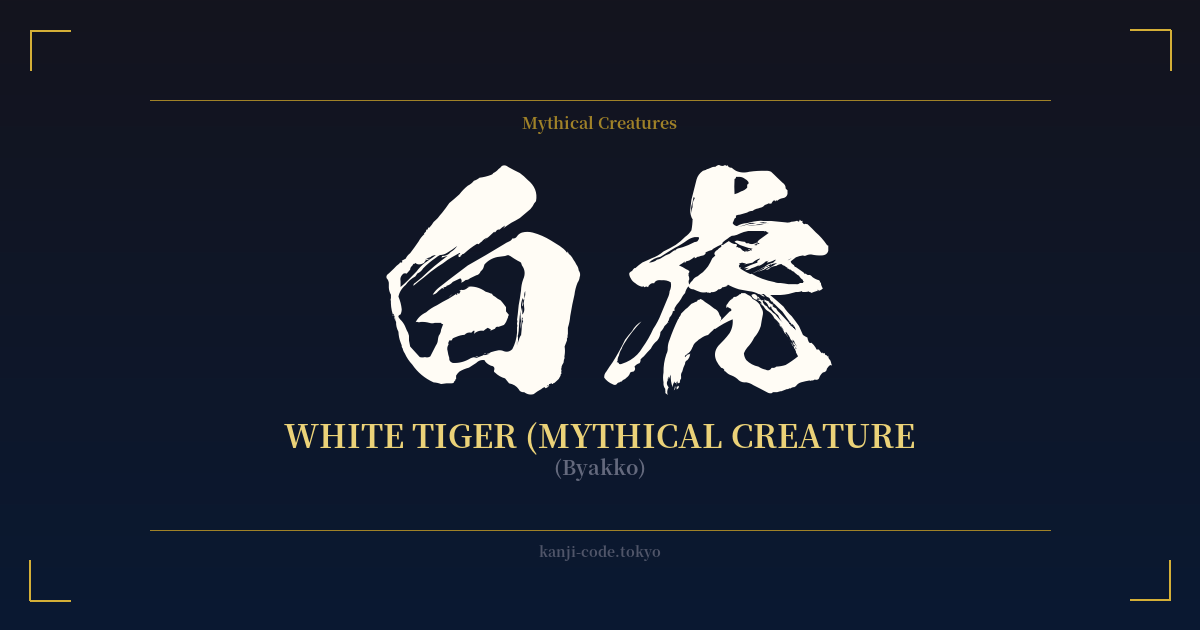
✍️ 白虎 (Byakko) — Contexto cultural
Byakko, el Tigre Blanco, es una figura de inmenso poder e importancia celestial en la mitología de Asia Oriental. No es simplemente un animal, sino uno de los Cuatro Símbolos, o Shishin (四神), los guardianes divinos de los cuatro puntos cardinales. Estas bestias míticas tienen su origen en las antiguas constelaciones y cosmología chinas, profundamente integradas con los principios taoístas y el Onmyōdō (cosmología esotérica japonesa).
Byakko es el Guardián del Oeste. En el intrincado sistema de los Cinco Elementos (五行, Gogyō), representa el Metal, el otoño y el color blanco. Su dominio es el de la fuerza, la destreza marcial y la rectitud. El tigre en sí mismo es símbolo de coraje y ferocidad, pero como Byakko, este poder se ve atemperado por un propósito divino: proteger y defender la justicia. Se dice que el Tigre Blanco solo aparece cuando un gobernante gobierna con absoluta virtud o cuando reina la paz en todo el mundo.
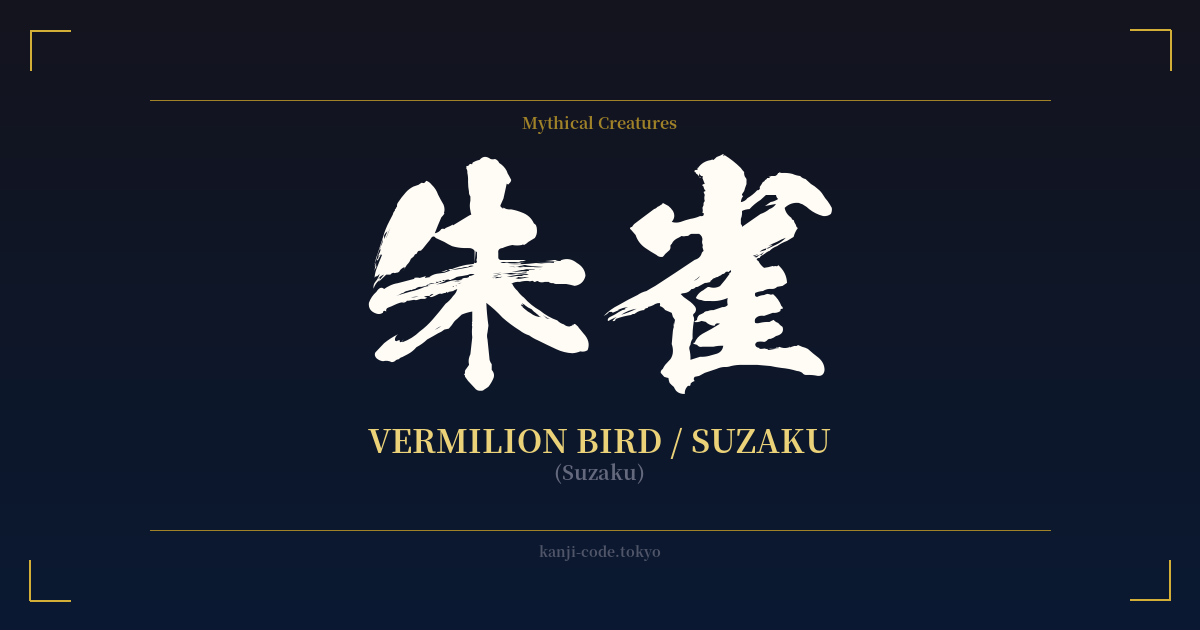
Sus contrapartes son Seiryū, el Dragón Azul del Este (que representa la Madera y la Primavera); Suzaku, el Ave Bermellón del Sur (que representa el Fuego y el Verano); y Genbu, la Tortuga Negra del Norte (que representa el Agua y el Invierno). Juntos, estos cuatro seres crean un equilibrio cósmico, protegiendo al mundo del mal y manteniendo el orden universal. Este sistema de creencias viajó de China a Japón, donde se convirtió en un pilar del diseño espiritual y arquitectónico. Por ejemplo, las antiguas capitales de Heian-kyō (la actual Kioto) y Fujiwara-kyō fueron diseñadas con puertas y distritos que correspondían a estos cuatro guardianes.
La importancia de Byakko en Japón se evidencia en los murales de tumbas antiguas, como las de Kitora y Takamatsuzuka, en la prefectura de Nara. Estas pinturas del siglo VII representan al Shishin en las paredes, ubicado para proteger el alma del difunto en el más allá. Byakko suele representarse como un tigre majestuoso y poderoso, a menudo con un aura regia y sobrenatural.
En la actualidad, el legado de Byakko perdura, especialmente en la cultura popular. Desde mangas y animes como Fushigi Yûgi y Yu Yu Hakusho hasta videojuegos y películas, el Tigre Blanco se representa constantemente como un símbolo de inmensa fuerza, nobleza y poder protector. Elegir el kanji de Byakko es invocar esta rica historia de un guardián celestial, un rey de las bestias imbuido de significado cósmico.
🖌️ Estilos de fuente para 白虎
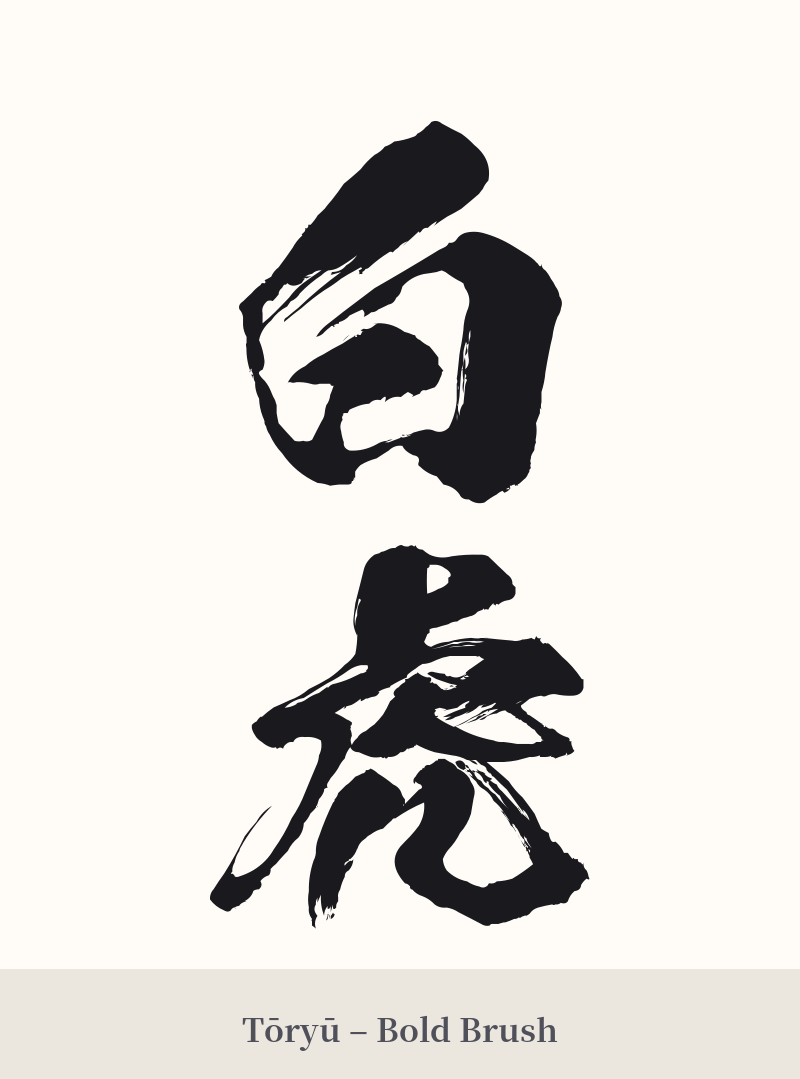
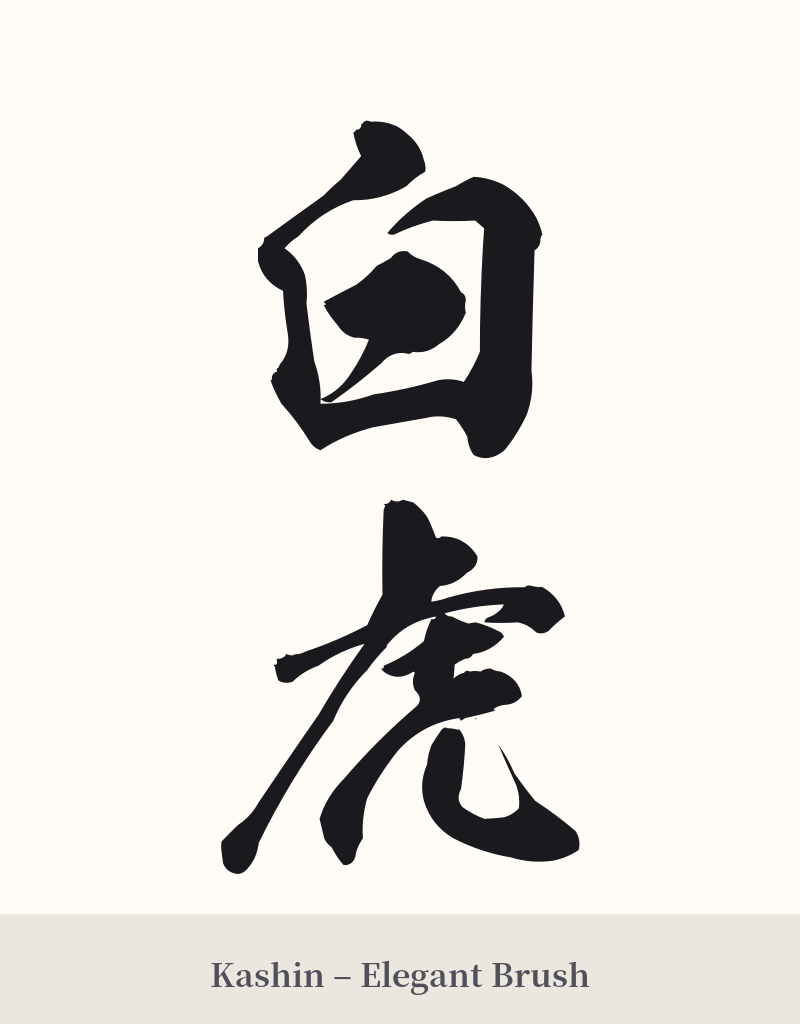
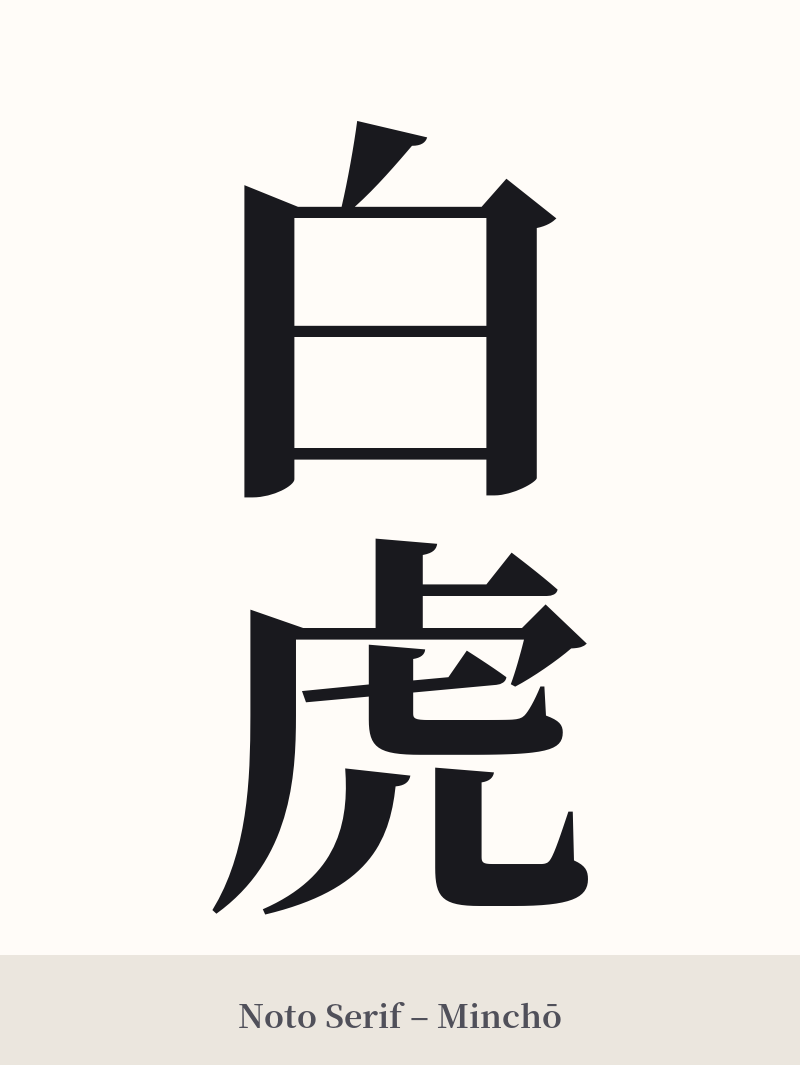
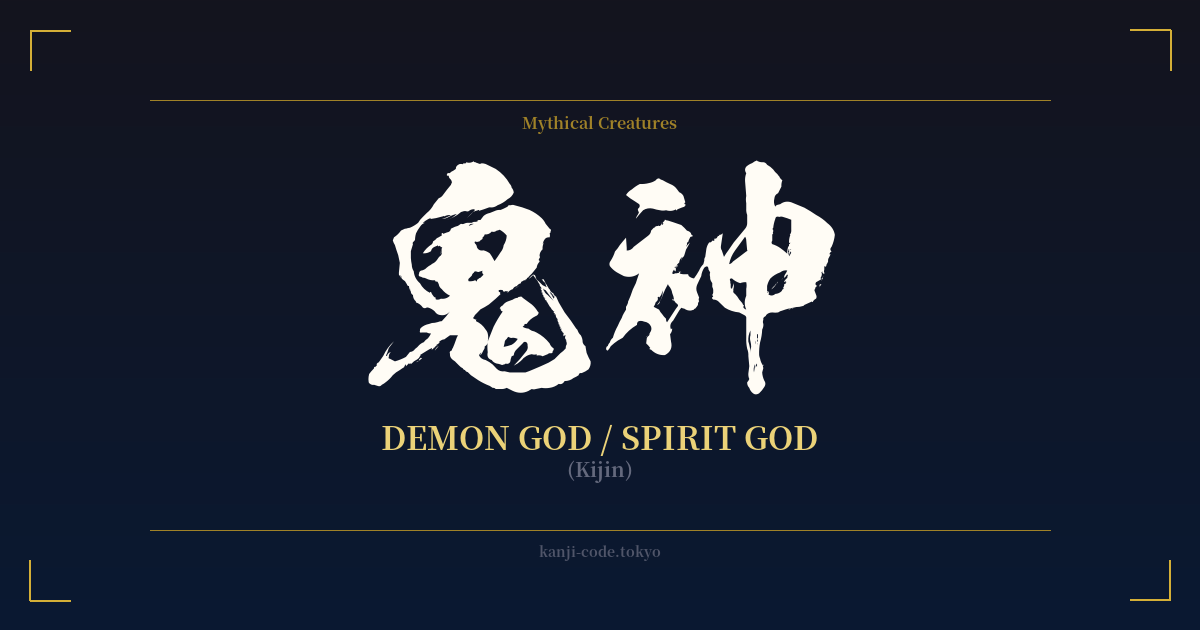
Los mismos caracteres kanji pueden verse muy diferentes según el estilo de caligrafía. Elige una fuente que se ajuste al ambiente que deseas para tu tatuaje o diseño.
🎨 Idoneidad para tatuajes
📐 Guía de diseño de tatuajes
Un tatuaje de 白虎 (Byakko) debe transmitir poder y majestuosidad. Aquí hay algunas consideraciones de diseño:
– Ubicación: Este diseño es impactante y funciona bien en lugares prominentes. Para una orientación vertical, la columna vertebral, el antebrazo o la pantorrilla son excelentes opciones. Para una disposición horizontal, el pecho, la parte superior de la espalda o los hombros permiten que los personajes se sientan firmes y poderosos.
Estilo: Una tipografía audaz y semicursiva (gyōsho) captura la fluidez y la energía del tigre. Para un estilo más formal y sólido que enfatice su naturaleza protectora, una fuente kaisho (de bloque) nítida es ideal. Evite las fuentes demasiado finas o delicadas, ya que podrían restar fuerza a la palabra.
Elementos visuales: Considere combinar el kanji con imágenes. Una combinación clásica es el kanji junto a la ilustración de un tigre blanco. También puede incorporar elementos simbólicos como hojas de arce otoñales (que representan su estación) o detalles metálicos o plateados en el diseño (que representan su elemento, el metal). Colocar el kanji dentro de un círculo o como parte de un diseño de brújula más grande junto con el otro Shishin puede crear una poderosa pieza sobre el equilibrio cósmico.
Comentarios