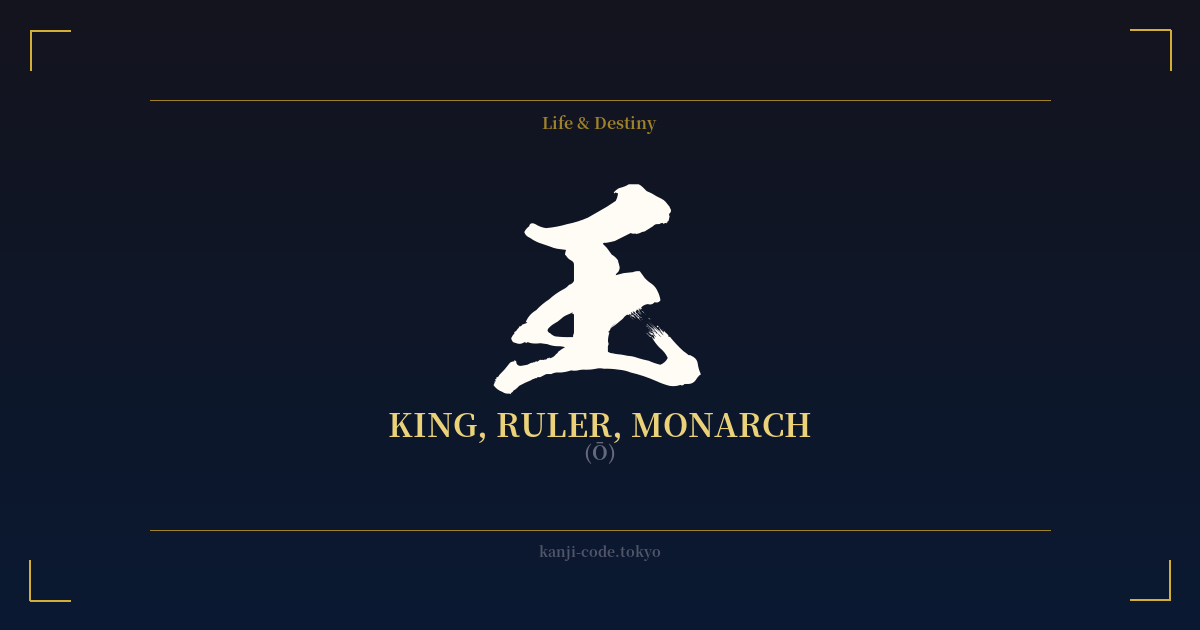
✍️ 王 (Ō) — Contexto cultural
El kanji 王 (Ō) es uno de los caracteres más fundamentales y poderosos del idioma japonés, y representa el concepto de rey, gobernante o monarca. Su elegante sencillez oculta un profundo significado filosófico e histórico que ha perdurado durante milenios.
El origen de este carácter es una hermosa pieza de la historia pictográfica. Se dice que representa la conexión entre los tres reinos de la existencia. El trazo horizontal superior simboliza el Cielo (天), el inferior la Tierra (地) y el central la Humanidad (人). El único trazo vertical que atraviesa los tres es el Rey, el individuo encargado de conectar y mantener el equilibrio entre los mundos divino, natural y mortal. No se trata solo de poder, sino de responsabilidad y del sagrado deber de traer orden y armonía.
En Japón, el uso de 王 tiene matices. Si bien se traduce directamente como 'rey', el gobernante supremo de Japón es el Emperador, o 天皇 (Tennō), un título que conlleva una connotación divina como 'soberano celestial'. Históricamente, el título 王 se utilizaba para los gobernantes de dominios menores dentro de Japón o, más comúnmente, para referirse a monarcas extranjeros. Esta distinción es crucial; un japonés jamás se referiría a su propio Emperador como 王.
Más allá de la monarquía literal, el carácter 王 ha impregnado la cultura japonesa como símbolo de maestría y supremacía absolutas en cualquier ámbito. Es común escuchar a alguien llamado el "rey del ramen" o ver el carácter en nombres de marcas para indicar que es el mejor en la industria. Esto se aprecia especialmente en la cultura popular, con personajes como 海賊王 (Kaizoku-Ō), el "Rey Pirata" de la serie One Piece. Esto demuestra la adaptabilidad del carácter, que representa no solo la realeza heredada, sino también la grandeza y el dominio alcanzados.
También es la pieza central del Shogi (ajedrez japonés), conocida como 王将 (Ōshō) o 'Rey General'. En el juego, como en la vida, el rey es la pieza más importante. Protegerlo es el objetivo principal, y su caída significa el fin de la partida. Esto refuerza aún más la imagen del rey como el centro vital alrededor del cual gira todo lo demás.
🖌️ Estilos de fuente para 王
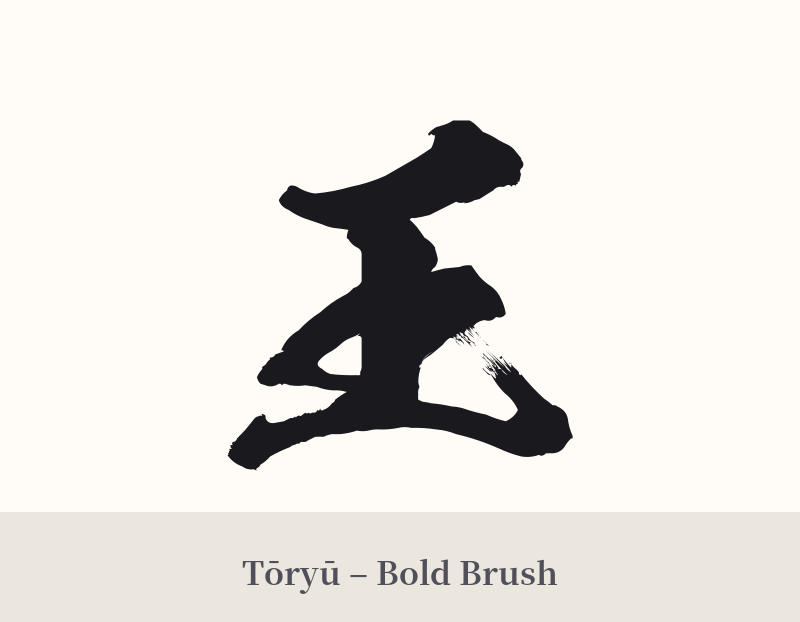
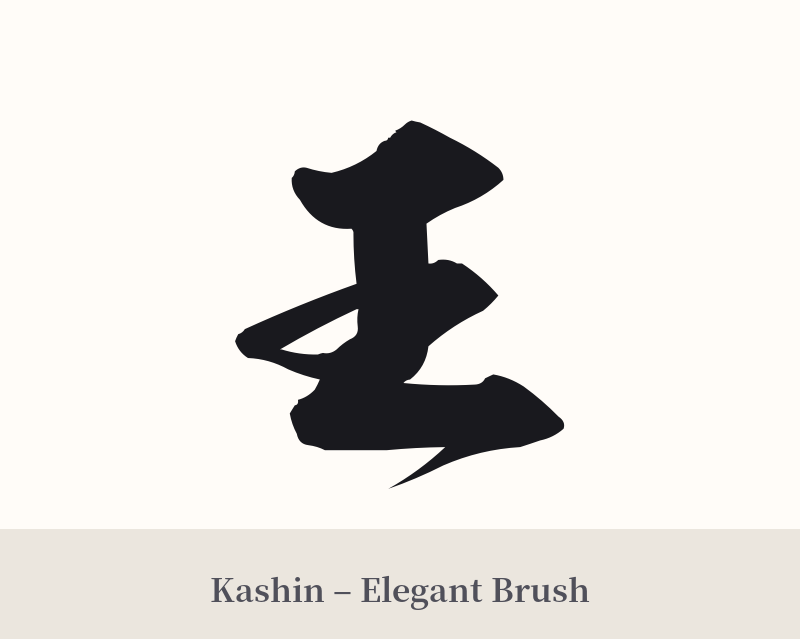
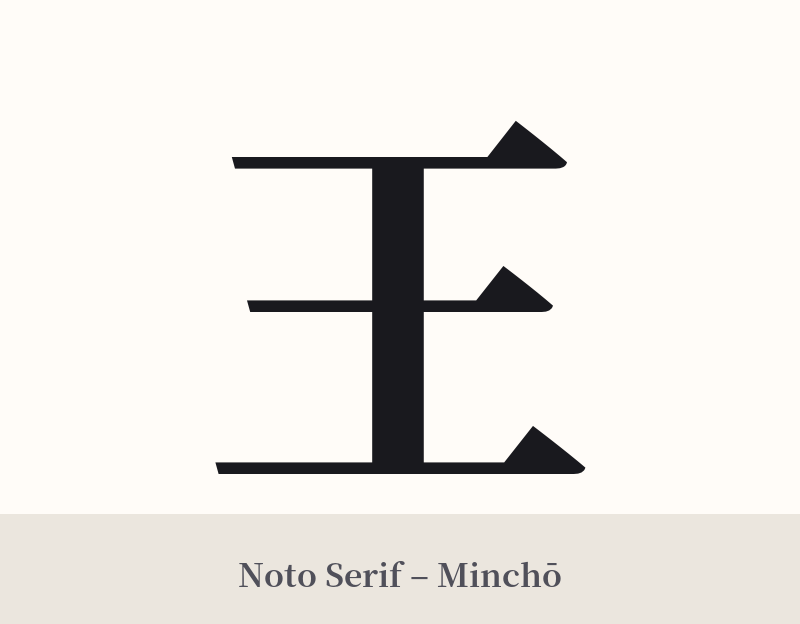
Los mismos caracteres kanji pueden verse muy diferentes según el estilo de caligrafía. Elige una fuente que se ajuste al ambiente que deseas para tu tatuaje o diseño.
🎨 Idoneidad para tatuajes
📐 Guía de diseño de tatuajes
El kanji 王 es visualmente fuerte y equilibrado, lo que lo hace versátil para el diseño de tatuajes. Su simplicidad permite que funcione bien tanto como un diseño pequeño y sutil como una declaración grande e imponente.
– Ubicación: Para una declaración audaz de autoridad o ambición personal, el centro del pecho o la parte superior de la espalda son ubicaciones ideales. El antebrazo o el bíceps funcionan bien para un recordatorio más personal de fuerza. Un tatuaje pequeño y discreto podría colocarse en la muñeca o detrás de la oreja.
Estilo: Un estilo de pincelada gruesa y pesada (shodō) enfatiza la fuerza bruta y la historia que hay detrás del carácter. Para una estética más moderna y definida, una fuente Mincho o gótica limpia puede verse muy elegante. El diseño de la pieza de Shogi (ajedrez japonés) es otra opción popular y elegante, a menudo representada con una caligrafía estilizada y angular.
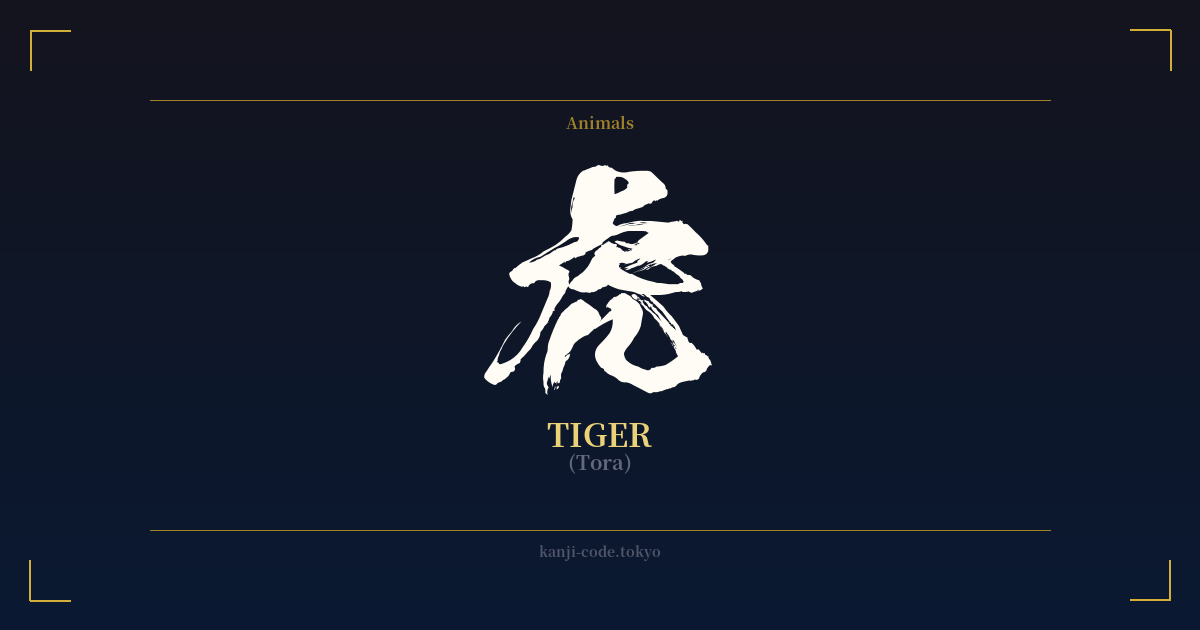
– Aspectos visuales: El símbolo 王 es lo suficientemente poderoso como para destacar por sí solo. Añadir otros elementos puede diluir su impacto. Sin embargo, si desea combinarlo, considere asociarlo con símbolos de poder que complementen su significado, como un dragón (龍) para representar la sabiduría y la fuerza, o un tigre (虎) para la destreza física. Evite los símbolos occidentales clichés, como las coronas, que pueden desentonar con la estética oriental.
Comentarios